


In a world where life moves at lightning speed, there’s something incredibly comforting about visiting places where time seems to slow down. Ancient villages, with their centuries-old homes, winding lanes, and deep-rooted traditions, offer a glimpse into a way of life that has remained remarkably unchanged. These destinations aren’t just beautiful—they’re living pieces of history where culture, craftsmanship, and community continue to flourish.
For travelers seeking authentic experiences rather than crowded tourist attractions, India’s ancient villages provide the perfect escape. Here, you’ll find warm hospitality, fascinating stories, and a chance to reconnect with both nature and heritage.
Why Ancient Villages Are Worth Exploring
Travel today is becoming more about experiences than sightseeing. Instead of ticking famous landmarks off a list, many travelers want to understand local cultures, meet people, and discover places that still retain their original character.
Ancient villages offer exactly that. Their quiet surroundings, traditional lifestyles, and historical charm create an atmosphere that’s difficult to find in busy cities.
Some of the reasons these villages continue to attract visitors include:
- Beautiful heritage architecture
- Rich folklore and centuries-old traditions
- Authentic regional cuisine
- Peaceful natural surroundings
- Handmade crafts and skilled artisans
- Friendly local communities
Every village has its own personality, making each visit a unique experience.
Ancient Villages That Deserve a Place on Your Travel List
Malana, Himachal Pradesh
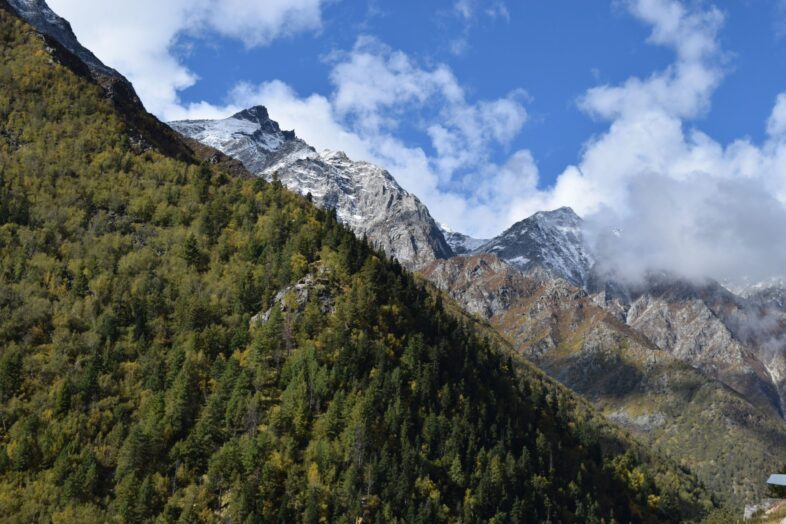
Nestled high in the Parvati Valley, Malana is unlike any other village in India. Famous for its unique customs and distinct cultural identity, it has fascinated travelers for decades. Surrounded by towering mountains and lush greenery, the village offers stunning landscapes alongside a fascinating glimpse into an ancient way of life.
Ziro, Arunachal Pradesh
Home to the Apatani tribe, Ziro is known for its breathtaking valley, bamboo houses, and eco-friendly farming practices. Life here revolves around nature and community, making it one of the most culturally rich destinations in Northeast India.
Khimsar, Rajasthan
Located on the edge of the Thar Desert, Khimsar beautifully blends history with rural life. Visitors can explore its historic fort, stroll through traditional streets, enjoy camel safaris, and experience Rajasthan’s vibrant culture in a peaceful setting.
Mawlynnong, Meghalaya
Often called one of Asia’s cleanest villages, Mawlynnong is a wonderful example of community-led conservation. Flower-lined pathways, bamboo skywalks, and the famous living root bridges make this village both charming and environmentally inspiring.
Kalpa, Himachal Pradesh
Overlooking the majestic Kinner Kailash range, Kalpa is known for its wooden temples, apple orchards, and breathtaking Himalayan scenery. The village’s peaceful atmosphere makes it an ideal destination for travelers looking to unwind.
Chitkul, Himachal Pradesh
Situated close to the Indo-Tibetan border, Chitkul is often referred to as India’s last inhabited village on the old trade route. Wooden houses, snow-capped peaks, and the Baspa River create a postcard-perfect setting that feels untouched by time.
Architecture That Reflects Centuries of Tradition
One of the first things visitors notice is the distinctive architecture. Built using materials sourced from the surrounding region, these homes were designed to withstand local weather while reflecting traditional craftsmanship.
As you walk through these villages, you’ll find:
- Stone houses with slate roofs
- Beautifully carved wooden temples
- Traditional courtyard homes
- Decorative balconies and windows
- Historic forts and watchtowers
- Narrow pathways lined with heritage buildings
Each structure tells a story about the people who have lived there for generations.
Experience Village Life Beyond Sightseeing
The true beauty of these villages lies in everyday life.
Rather than rushing through attractions, spend time interacting with residents, observing their routines, and participating in local activities. Whether it’s watching a potter shape clay, learning traditional recipes, or listening to folk tales shared by village elders, these experiences create memories that last far longer than photographs.
Many villages also host seasonal festivals where visitors can witness local music, dance, and cultural celebrations.
A Culinary Journey Through Tradition
Food is an important part of every village’s identity. Most recipes have been passed down through generations, using fresh local ingredients and traditional cooking methods.
Depending on where you travel, you may enjoy:
- Freshly prepared regional dishes
- Organic vegetables and grains
- Homemade breads
- Traditional pickles and chutneys
- Locally grown herbs and spices
- Seasonal fruits from nearby farms
Sharing a home-cooked meal with a local family is often one of the most memorable parts of the journey.
Responsible Tourism Helps Preserve These Villages
Many ancient villages are carefully balancing tourism with the preservation of their culture and environment. As visitors, we can contribute by making thoughtful travel choices.
Simple ways to support local communities include:
- Staying in locally owned homestays
- Buying handmade products directly from artisans
- Choosing local guides
- Respecting village customs and traditions
- Avoiding plastic waste
- Supporting family-run restaurants and cafés
Responsible tourism ensures that these villages continue to thrive while preserving their unique heritage.
Best Time to Visit
The ideal time depends on the region, but most ancient villages can be enjoyed throughout the year.
- Spring (March to May): Pleasant weather and blooming landscapes.
- Monsoon (June to September): Lush greenery and dramatic scenery, especially in hill regions.
- Autumn (October to November): Crisp weather with excellent visibility.
- Winter (December to February): Snow-covered Himalayan villages and festive local celebrations.
Choosing the right season can make your visit even more enjoyable.
Tips for an Enjoyable Village Experience
Before setting out, keep these practical tips in mind:
- Wear comfortable walking shoes.
- Dress respectfully, especially near religious sites.
- Ask permission before photographing local residents.
- Carry reusable water bottles and eco-friendly travel essentials.
- Take time to interact with local communities.
- Respect local customs and traditions.
Being a thoughtful traveler helps create positive experiences for both visitors and residents.
The Growing Appeal of Slow Travel
Slow travel is becoming increasingly popular, and ancient villages are perfect destinations for this style of exploration. Instead of rushing from one attraction to another, travelers can spend time wandering quiet streets, enjoying conversations with local families, watching artisans at work, and simply appreciating the peaceful surroundings.
These moments often become the highlights of the trip because they allow travelers to experience a destination rather than simply visit it.
Conclusion
Ancient villages remind us that some of life’s richest experiences come from slowing down. Their timeless architecture, enduring traditions, scenic landscapes, and welcoming communities offer a refreshing contrast to the pace of modern life.
Whether you’re exploring the mountain villages of Himachal Pradesh, discovering tribal traditions in Arunachal Pradesh, or wandering through Rajasthan’s historic settlements, these destinations promise far more than beautiful photographs. They offer meaningful encounters with history, culture, and people whose stories continue to shape India’s remarkable heritage.
If you’re looking for a journey that goes beyond sightseeing, make time for India’s ancient villages. You may arrive as a visitor, but you’ll leave with memories that stay with you long after the trip ends.