


Odisha is poised to emerge as one of the biggest beneficiaries of the upcoming India–United States trade agreement, with major gains expected in seafood exports, textiles, and small-scale industries, Chief Minister Mohan Charan Majhi has said.
Addressing the potential impact of the pact, the Chief Minister stated that the agreement would significantly strengthen Odisha’s marine economy, improve export competitiveness, and create new income opportunities for fishermen, farmers, and artisans across the state.
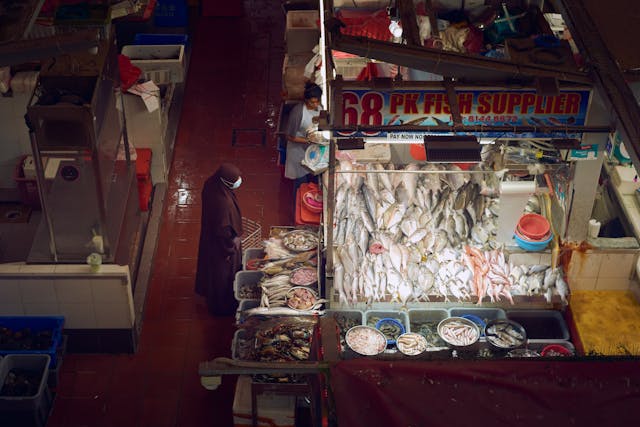
Major Relief for Seafood Exports
One of the most immediate benefits of the trade agreement comes from the sharp reduction in U.S. import tariffs on Indian goods, which were earlier as high as 50 percent. Under the new understanding between the two countries, tariffs on Indian exports have reportedly been brought down to around 18 percent, easing pressure on exporters.
Odisha, a leading seafood-exporting state, stands to gain substantially from this move. The state exports seafood worth approximately ₹4,700 crore annually, of which nearly ₹2,000 crore is destined for the U.S. market alone. Shrimp forms the backbone of this export segment.
Earlier, high American tariffs had threatened the livelihood of shrimp farmers and seafood processing units, especially along Odisha’s coastal belt. With duties now reduced, demand for Odisha’s shrimp, fish, and marine products is expected to rise sharply in the U.S., reviving confidence across the supply chain.
Shrimp farming in Odisha is concentrated in coastal districts such as Balasore, Bhadrak, Kendrapara, Jagatsinghpur, Puri, and Ganjam, where thousands of families depend directly or indirectly on the sector. Increased exports are likely to translate into higher farm-gate prices, better wages, and expanded employment in processing and logistics.
Strengthening the Blue Economy
Chief Minister Majhi highlighted that Odisha is steadily positioning itself as a major hub of India’s blue economy, which includes fisheries, aquaculture, marine trade, and coastal industries. Improved access to global markets, especially the United States, will accelerate investments in cold storage, processing facilities, and port-linked infrastructure.
With growing global demand for high-quality seafood, Odisha’s coastline and aquaculture capacity provide a strategic advantage that the trade pact could help fully unlock.
New Opportunities for Textiles and Handlooms
Beyond seafood, the India–U.S. trade agreement is also expected to boost Odisha’s handloom, textile, and readymade garment exports. Reduced tariffs will make Odisha’s traditional fabrics and apparel more competitive in international markets.
The Chief Minister noted that Odisha’s weavers and artisans—long celebrated for their craftsmanship—will gain greater global exposure. As exports rise, employment and incomes in the handloom sector are expected to improve, helping preserve traditional skills while integrating them into modern global value chains.
Industry observers believe Odisha’s distinctive textiles could find new demand in the U.S., potentially setting new fashion and lifestyle trends rooted in Indian heritage.
Background of the Trade Deal
The breakthrough follows months of negotiations between New Delhi and Washington. In August last year, the U.S. had imposed steep tariffs on Indian goods—split between countervailing duties and penalty tariffs—citing trade imbalances and geopolitical concerns.
Subsequent diplomatic engagements helped both sides reach common ground, culminating in a trade understanding that is expected to be formally signed soon. The agreement marks a reset in India–U.S. trade relations and signals renewed confidence between the two strategic partners.
Broader Economic Impact for Odisha
Economists note that the trade pact could have a multiplier effect on Odisha’s economy. Higher exports will stimulate allied sectors such as packaging, transportation, port services, and finance, while increased foreign demand may encourage private investment and modernization.
For a state with a strong coastal economy and a large artisan workforce, the agreement offers a pathway to inclusive growth, linking rural livelihoods with global markets.
Looking Ahead
As India deepens its economic partnership with the United States, Odisha appears well-positioned to capitalize on the opportunity. With its strengths in seafood production, textiles, and coastal resources, the state could become a model for how regional economies benefit from global trade agreements.
“The agreement is not just about trade numbers,” the Chief Minister emphasized. “It is about livelihoods, sustainability, and long-term economic transformation.”