


By Surya Pillai
Nov 28: A decade has passed since the Beti Bachao Beti Padhao (BBBP) initiative was launched in 2015. What began as an urgent response to India’s declining Child Sex Ratio (CSR) has grown into one of the country’s most influential social movements. Today, BBBP stands not just as a government programme but as a national awakening that continues to reshape attitudes, policies, and opportunities for the girl child.
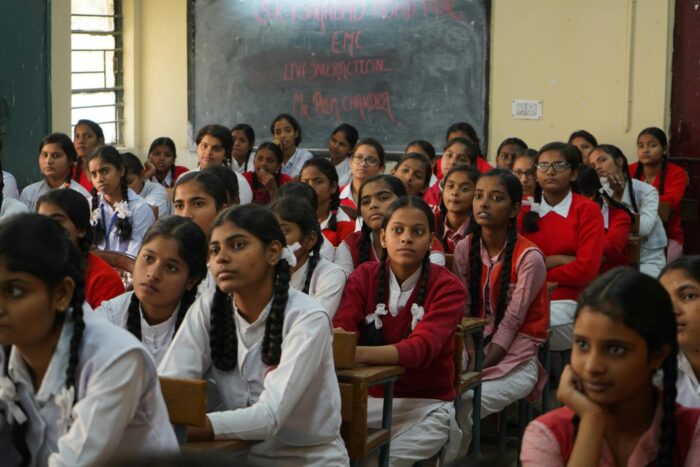
Ten years later, the conversation around daughters has changed dramatically. But the journey is far from complete. As India enters the next decade of BBBP, it becomes essential to review how far the movement has come and where it still needs to progress.
Why Beti Bachao Beti Padhao Was Needed: The Situation Before 2015
Before the programme’s launch, India witnessed a worrying decline in girl births due to:
- Gender-biased sex selection
- Preference for male children
- Limited access to education for girls
- Social norms restricting mobility and opportunities
- Economic pressures and dowry-driven biases
- High dropout rates among adolescent girls
These systemic issues created a cycle of discrimination that affected the social, educational, and economic trajectories of millions of girls. BBBP emerged as a powerful intervention designed to break this cycle.
The Core Pillars of BBBP That Still Drive Change Today
Even in the present day, the programme continues to operate on its original three pillars, each of which remains vital:
1. Preventing Gender-Biased Sex Selection
Monitoring diagnostic centers and ensuring strict implementation of the PCPNDT Act remain essential, especially as technology advances and illegal practices persist.
2. Ensuring Education for the Girl Child
BBBP has expanded its focus from basic schooling to include:
- Secondary and higher secondary enrollment
- Digital literacy programmes
- STEM engagement for girls
- Skill development and vocational training
3. Creating Social Awareness
The programme has evolved into a cultural movement that challenges stereotypes, encourages equality, and elevates the value of daughters in society.
How BBBP Works on the Ground: Ten Years of Transformation
Over the past decade, BBBP has made significant strides through:
- Monitoring and improving Child Sex Ratios
- Strengthening educational infrastructure
- Mobilising local communities through awareness campaigns
- Incentivising districts that improve CSR and girls’ enrollment
- Implementing behavioural nudges to influence family attitudes
The programme’s success lies in its ability to combine policy intervention with cultural reform, creating a foundation for lasting change.
Case Study: Bibipur, Haryana – A Success Story That Continues to Inspire
Even a decade later, Bibipur village in Haryana remains a national example of the power of community-led change.
In 2015, the village launched the viral “Selfie With Daughter” campaign, encouraging fathers to celebrate their daughters publicly. This led to:
- Increased visibility and acceptance of the girl child
- Better school enrollment numbers for girls
- A significant improvement in the Child Sex Ratio
- A cultural shift within families and communities
Bibipur demonstrates that transformative social change does not always require complex policies. Sometimes, a simple cultural shift is enough to spark a movement.
Influential Figures Who Strengthened the Movement
Amitabh Bachchan’s Endorsement
His firm message on raising, educating, and empowering daughters continues to resonate across generations, reinforcing the core goals of BBBP.
Prime Minister Narendra Modi’s Vision
Calling female foeticide a “mental illness,” the Prime Minister encouraged families to confront deeply rooted biases. His emphasis on celebrating achievers like Kalpana Chawla helped shift national perception toward recognizing the potential of daughters.
Their messages still echo through community events, school campaigns, and awareness programmes.
BBBP in Today’s Scenario: What Has Changed in Ten Years?
Over the last decade, BBBP has expanded beyond awareness-building and now focuses on long-term empowerment. Its modern priorities include:
- Digital education and safety for girls
- Leadership and entrepreneurship programmes
- Financial literacy and career skills
- Scholarships for higher education
- Promotion of health, hygiene, and menstrual awareness
- Safe mobility initiatives and self-defense training
This evolution marks a shift from simply saving the girl child to preparing her to excel in modern India.
Impact After a Decade: Where India Stands Now
Ten years of BBBP have led to progress in several areas:
- Improved Child Sex Ratio in many districts
- Increase in higher school enrollment among girls
- Growing representation of women in sports, science, and public service
- More families supporting their daughters’ education and careers
- Widespread awareness regarding gender equality
While some challenges remain—especially in conservative or rural areas—the movement has undeniably initiated a nationwide shift.
The Road Ahead: A Vision for the Next Decade
As India moves beyond 2025, the next phase of BBBP will need to focus on:
- Stronger monitoring and enforcement of gender-related policies
- Ensuring equal access to STEM and professional careers
- Expanding opportunities in entrepreneurship and digital skills
- Addressing gender violence and safety concerns
- Increasing representation of women in leadership and governance
Sustained policy action combined with community participation will determine the long-term success of BBBP’s mission.
Conclusion: A Movement That Continues to Shape India’s Future
A decade after its launch, Beti Bachao Beti Padhao remains one of India’s most powerful movements for gender equality. It has changed conversations within families, schools, and institutions, reminding the nation that daughters are central to India’s social and economic progress.
With continuous reinforcement, community involvement, and cultural transformation, BBBP will continue to guide India toward a future where every daughter is safe, educated, empowered, and valued.