


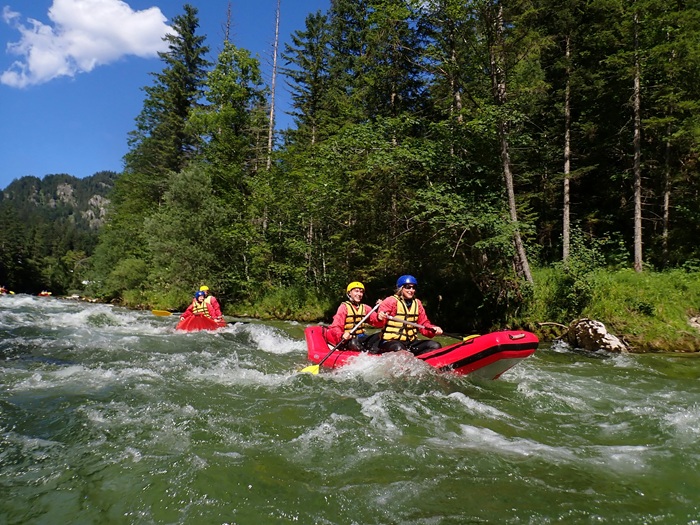
Adventure Tourism in India is experiencing a remarkable 15–20% annual growth, driven by rising demand for immersive outdoor experiences and expanding adventure sports infrastructure
Introduction to Adventure Tourism
Adventure tourism has become one of the fastest-growing segments of the global travel industry, and India is rapidly emerging as a key player in this space. Defined by its focus on immersive, thrilling, and experience-led travel, adventure tourism attracts individuals seeking activities that push limits and deepen connections with nature. In India, the sector is expanding at an impressive 15–20% annually, driven by the country’s diverse landscapes, cultural richness, rising disposable incomes, and the booming outdoor gear market.
From Himalayan treks and white-water rafting on the Ganges to wildlife safaris, paragliding, and high-altitude mountaineering, adventure tourism offers experiences that go beyond traditional sightseeing. This shift reflects a growing preference among domestic and international travelers for transformational journeys that combine excitement with self-discovery. Social media has further fueled this trend, with adventurous content inspiring millions to embark on similar experiences.
Government initiatives—such as infrastructure development, safety certifications, and promotional campaigns—are further strengthening the sector, making India one of the most attractive adventure tourism destinations globally.
Current Market Trends and Growth Rates
India’s adventure tourism segment is witnessing robust expansion with 15–20% YoY growth, driven primarily by:
1. Rising Disposable Incomes
A growing middle and upper-middle class is spending more on leisure experiences. This shift toward experiential travel has boosted participation in trekking, camping, rafting, and other adventure activities.
2. Lifestyle Shifts Among Youth
Young travelers now prioritize experiences over possessions. Activities like mountaineering, biking, and exploring remote terrains offer both thrill and personal growth, attracting a large millennial and Gen Z audience.
3. Influence of Social Media
Platforms like Instagram, YouTube, and Facebook play a central role in showcasing adventure destinations. Stunning visuals and experiential storytelling have made adventure tourism highly aspirational and accessible.
Together, these factors create a strong foundation for sustained market growth in the coming decade.
Key States Leading in Adventure Tourism
Uttarakhand
Uttarakhand is a powerhouse for adventure tourism, offering trekking, river rafting, camping, and mountaineering. Key attractions include:
Nanda Devi and Valley of Flowers National Parks
Rishikesh for world-class white-water rafting
Popular treks like Kedarnath, Kedarkantha, and Roopkund
Ladakh
Famous for dramatic high-altitude landscapes, Ladakh attracts thrill-seekers from around the world. Highlights include:
Biking on Khardung La and Chang La
Treks through Markha Valley and Chadar (Zanskar) frozen river
Camping around Pangong Lake
Himachal Pradesh
A year-round adventure destination, Himachal is synonymous with:
Paragliding in Bir Billing and Solang Valley
Skiing in Solang and Narkanda
Treks like Triund, Hampta Pass, and Pin Parvati Pass
These states collectively account for the highest number of adventure tourism footfalls in India.
Trekking in India: Permits and Popular Routes
Trekking is one of the most popular adventure activities in India. To protect fragile ecosystems and ensure traveler safety, permits are required across several regions.
Permit Requirements
Uttarakhand: Permits needed for routes in Nanda Devi Biosphere, Valley of Flowers, and forest department trails.
Himachal Pradesh: Mandatory permits for Hampta Pass, Bhrigu Lake, and most forest trails.
Permits can usually be obtained online or through registered trekking agencies.
Popular Trekking Routes
Uttarakhand: Kedarkantha, Roopkund, Har Ki Dun, Brahmatal
Himachal: Hampta Pass, Bhrigu Lake, Pin Parvati, Triund
Ladakh: Markha Valley, Stok Kangri (restricted), Chadar Trek
These routes attract trekkers across experience levels and contribute significantly to adventure tourism revenue.
Rafting Tourism: Data and Insights
Rafting is one of India’s most sought-after adventure activities, supported by a network of challenging and scenic rivers.
Popular Rafting Rivers
Ganges (Uttarakhand)
Brahmaputra (Arunachal Pradesh)
Teesta (Sikkim)
Industry Insights
200,000+ rafters in 2022, reflecting about 10% YoY growth
Sector contributes nearly ₹3 billion annually, projected to hit ₹5 billion by 2025
Growth is driven by multi-day rafting expeditions, improved safety, and increasing operator professionalism
Rafting has become a major draw for international adventure tourists as well.
Rise of Adventure Sports Operators
The last decade has seen a surge in professional adventure tourism operators offering:
Guided expeditions
Equipment rentals
Certified instructors
Multi-sport adventure packages
Safety training programs
These operators cater to rising demand while maintaining safety standards through:
Better-quality equipment
Government-recognized certifications
Trained guides and rescue teams
This structured ecosystem enhances tourist confidence and contributes to sectoral growth.
Economic Impact of Adventure Tourism
Adventure tourism plays a crucial role in India’s economic development by:
1. Job Creation
Adventure tourism supports thousands of jobs:
Trek leaders
River guides
Porters
Adventure instructors
Hospitality staff
Local transport providers
2. Infrastructure Development
Adventure hotspots often witness:
Improved road connectivity
Better communication networks
Campsites and eco-lodges
Upgraded airports
These developments benefit both tourists and local communities.
3. Sustainable Development
With greater focus on eco-tourism, operators increasingly adopt:
Waste management systems
Conservation programs
Community-based tourism models
Preservation of local culture
This promotes responsible tourism and ensures long-term ecological balance.
Challenges Facing the Adventure Tourism Sector
1. Environmental Concerns
Overcrowding, waste generation, and fragile ecosystems require urgent conservation measures.
2. Regulatory Inconsistencies
Different rules across states cause confusion for operators and travelers. The sector needs a unified national safety and regulatory framework.
3. Safety Standards
Ensuring well-trained guides, certified equipment, and emergency protocols is critical as participation increases.
4. Climate Variability
Unpredictable weather patterns pose challenges for trekking, river rafting, and mountaineering activities.
Addressing these issues will be key to sustaining sector growth.
Future Outlook and Opportunities
India’s adventure tourism sector is poised for exponential growth, supported by emerging trends such as:
1. Eco-Tourism Integration
Greater emphasis on low-impact, environmentally conscious tourism.
2. Tech-Enabled Travel
Use of:
Mobile booking platforms
GPS tracking
Virtual previews (VR/AR)
Digital safety monitoring
3. Hyper-Personalized Experiences
Customized itineraries tailored to fitness level, interest, and duration.
4. Community-Based Adventure Tourism
Local residents becoming guides, hosts, and cultural ambassadors—enhancing authentic, immersive experiences.
5. Year-Round Adventure Circuits
Creation of all-season adventure routes connecting multiple states.
With rising demand, proactive government support, and evolving traveler behavior, India is set to become one of the world’s leading adventure tourism destinations.