


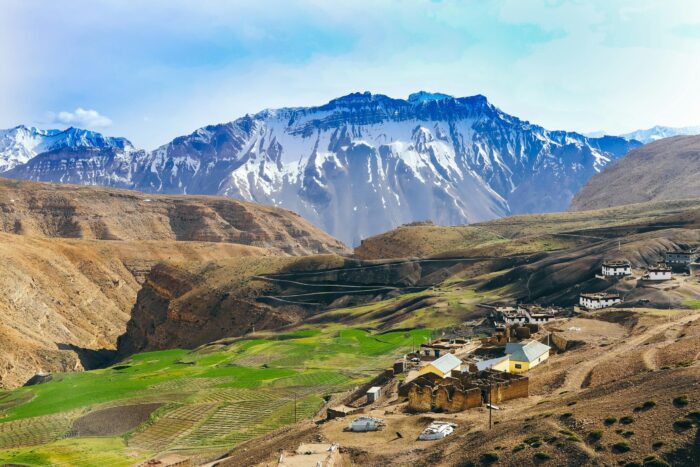
Why Spiti Valley Is India’s Ultimate Himalayan Escape
Tucked away in the cold desert mountains of Himachal Pradesh, Spiti Valley is one of India’s most dramatic and untouched travel destinations. Known for its stark landscapes, high-altitude villages, ancient monasteries, and crystal-clear night skies, Spiti offers an adventure unlike anywhere else in the Himalayas.
For first-time travelers, planning is crucial — from understanding weather windows to securing permits and preparing for high-altitude conditions. This comprehensive Spiti Valley travel guide covers everything you need.
Where Is Spiti Valley?
Spiti Valley lies between Tibet and Lahaul at an average altitude of 12,500 feet. Often called “Little Tibet,” it features dramatic landscapes shaped by centuries of wind and snow.
Best Time to Visit Spiti Valley
Choosing the right season is critical.
Summer (May to June) – Ideal for First-Timers
Roads open via Manali
Snow melts, revealing stunning valleys
Pleasant daytime temperatures (10°C to 20°C)
Best for: Road trips, photography, lake visits
Monsoon (July to September) – Safer Than You Think
Unlike many Himalayan destinations, Spiti receives low rainfall due to its cold desert geography.
Clear skies
Accessible via Shimla route
Lush landscapes along the Kinnaur stretch
Winter (October to April) – For Extreme Travelers
Heavy snowfall
Limited accessibility
Frozen rivers and raw Himalayan beauty
Recommended only for experienced travelers.
Permits Required for Spiti Valley
Indian nationals do not need permits for most of Spiti.
However, visiting border villages like:
Kibber
Komic
Hikkim
may require registration at local checkpoints.
Foreign nationals need an Inner Line Permit (ILP), obtainable from district offices in Reckong Peo or Manali.
How to Reach Spiti Valley
Route 1: Via Manali (Shorter, More Adventurous)
Cross Rohtang Pass
Drive via Kunzum Pass
Open roughly June to October.
Route 2: Via Shimla (Safer, Gradual Acclimatization)
Travel through Kinnaur Valley
Slower altitude gain
Ideal for first-time visitors.
7-Day Spiti Valley Itinerary for First-Time Travelers
Day 1: Shimla to Kalpa
Scenic drive along Sutlej River
Overnight in Kalpa
Day 2: Kalpa to Kaza
Stop at Nako Lake
Explore Tabo Monastery
Visit Tabo Monastery
Day 3: Kaza & Key Monastery
Visit Key Monastery — the largest monastery in Spiti.
Explore:
Kibber Village
Hikkim Post Office (world’s highest)
Day 4: Langza, Komic & Fossil Hunting
Visit Langza
Fossil exploration
High-altitude villages
Day 5: Kaza to Chandratal Lake
Drive toward Chandratal Lake — the “Moon Lake.”
Camping experience under star-filled skies.
Day 6: Chandratal to Manali
Cross Kunzum Pass
Return via Rohtang Pass
Day 7: Buffer Day (Weather Contingency or Leisure Exploration)
Things to Do in Spiti Valley
Monastery hopping
Stargazing (minimal light pollution)
Fossil hunting
River crossings
Camping near Chandratal
Village homestay experiences
Travel Tips for First-Time Visitors
✔ Acclimatize properly
✔ Carry cash (limited ATMs in Kaza)
✔ Fuel up whenever possible
✔ Pack altitude sickness medication
✔ Avoid rushing itinerary
Budget Breakdown (Approximate)
Self-drive trip: ₹15,000–₹25,000
Bike trip: ₹18,000–₹30,000
Guided tour: ₹25,000–₹45,000
Costs vary depending on season and accommodation.
Why Spiti Valley Is Worth the Effort
Unlike more commercial Himalayan destinations, Spiti remains raw and authentic. There are no luxury malls, minimal network connectivity, and limited nightlife — but what you gain is silence, scale, and spiritual calm.
For first-time travelers seeking an offbeat Himalayan road trip, Spiti Valley offers an unforgettable journey.