


Feb 16: In 2026, global travel trends are shifting away from rushed itineraries and crowded bucket lists toward something more intentional — immersive, meaningful, and restorative journeys. Few destinations embody this evolution better than Kyoto.
As Japan’s former imperial capital for over a millennium, Kyoto is not just a city; it is a living archive of tradition. With more than 1,600 Buddhist temples, 400 Shinto shrines, preserved wooden townhouses, and meticulously maintained gardens, Kyoto offers depth that rewards patience.
For travelers seeking cultural sophistication, architectural beauty, and mindful luxury, Kyoto stands unmatched in 2026.
Fushimi Inari Taisha: A Spiritual Journey Through Vermilion Gates
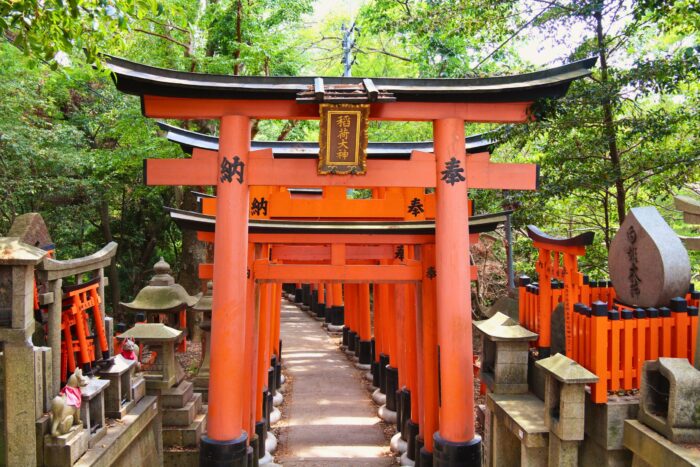
One of Japan’s most iconic sites, Fushimi Inari Taisha, is instantly recognizable for its thousands of vermilion torii gates that wind up Mount Inari.
Unlike traditional monument visits, Fushimi Inari is an experience. As you walk through the seemingly endless tunnel of gates, donated by businesses and individuals over centuries, the rhythmic repetition creates a meditative atmosphere.
Travel Tip:
Arrive before 8 AM to experience soft morning light and minimal crowds — perfect for photography and quiet reflection.
Kinkaku-ji: Kyoto’s Golden Reflection of Zen Philosophy
Few landmarks capture Kyoto’s aesthetic precision like Kinkaku-ji, also known as the Golden Pavilion. Covered in gold leaf and overlooking a mirror-like pond, the structure exemplifies harmony between architecture and landscape.
Each season transforms the temple’s character:
Spring adds delicate cherry blossoms
Summer intensifies the green reflections
Autumn frames it in crimson maple leaves
Winter blankets it in serene snow
The design philosophy reflects the Japanese concept of wabi-sabi — beauty in imperfection and impermanence.
Arashiyama Bamboo Grove: Nature as Architecture
On Kyoto’s western outskirts lies the mesmerizing Arashiyama Bamboo Grove. Towering bamboo stalks form a natural cathedral, filtering sunlight into soft emerald tones.
Beyond the bamboo path, Arashiyama offers:
Scenic views from Togetsukyo Bridge
Riverboat experiences
Monkey Park Iwatayama hikes
Hidden Zen temples
This district is ideal for travelers who appreciate quiet landscapes and nature-infused experiences.
Gion: The Heart of Kyoto’s Living Tradition
Kyoto’s most atmospheric district, Gion, preserves Japan’s historic entertainment culture. Wooden machiya houses, paper lanterns, and stone pathways create a cinematic setting.
Gion remains the center of geiko (Kyoto’s term for geisha) culture. While sightings are rare and should be respectfully observed, the district continues to uphold centuries-old traditions of refined hospitality and artistic performance.
In the evenings, Gion transforms into a softly illuminated world of exclusive kaiseki restaurants and tea houses.
The Art of Staying: Luxury Ryokans & Boutique Retreats
Kyoto’s hospitality culture emphasizes personalized service and immersive comfort. Staying in a traditional ryokan offers:
Tatami flooring
Futon bedding
Yukata robes
Multi-course kaiseki dining
Onsen bathing rituals
Unlike conventional hotels, ryokans offer ritualistic hospitality — every detail carefully curated to reflect seasonal aesthetics.
For travelers seeking contemporary design, Kyoto also features minimalist boutique hotels blending modern architecture with traditional materials.
Kyoto’s Culinary Excellence: A Masterclass in Seasonality
Kyoto’s cuisine is built around precision and respect for ingredients. Kaiseki dining — a multi-course seasonal meal — originated here and remains the pinnacle of Japanese culinary artistry.
Signature experiences include:
Matcha tea ceremonies in historic tea houses
Yudofu (silken tofu dishes) near temple districts
Wagashi (handcrafted seasonal sweets)
Nishiki Market street food explorations
Food in Kyoto is not just nourishment; it is performance and philosophy.
Seasonal Highlights: When Kyoto Is Most Magical
Spring (March–April)
Cherry blossom season transforms temple grounds and riverbanks into pastel landscapes. Popular viewing spots include the Philosopher’s Path.
Summer (June–August)
Green gardens and vibrant festivals like Gion Matsuri energize the city.
Autumn (October–November)
Maple leaves create dramatic red and orange landscapes, particularly around temple complexes.
Winter (December–February)
Fewer crowds and occasional snowfall create a rare, tranquil atmosphere — ideal for contemplative travelers.
Hidden Cultural Experiences Beyond the Icons
While temples dominate Kyoto’s appeal, deeper experiences await:
Traditional calligraphy workshops
Kimono rental photo walks
Zen meditation sessions
Private tea ceremonies
Craftsmanship tours in Nishijin textile district
These immersive activities provide context and cultural appreciation beyond sightseeing.
Why Kyoto Defines Travel Trends in 2026
As travelers prioritize sustainability, authenticity, and meaningful connection, Kyoto aligns perfectly with modern values:
Preservation over commercialization
Quality over quantity
Craft over mass production
Experience over entertainment
In an era dominated by speed and digital distraction, Kyoto’s deliberate pace feels revolutionary.
Practical Travel Information
Best airport access via Kansai International Airport
Efficient train connections from Tokyo via Shinkansen
Compact city layout ideal for walking and cycling
English signage widely available in major tourist zones
Travelers are encouraged to respect local etiquette — particularly regarding photography and quiet temple grounds.
Conclusion: Kyoto as a Journey, Not a Destination
Kyoto is not defined by spectacle but by subtlety. It invites travelers to observe, reflect, and slow down. Its beauty is layered — architectural, spiritual, culinary, and seasonal.
In 2026, as luxury travel shifts toward mindfulness and meaning, Kyoto stands not just as Japan’s cultural capital — but as a global benchmark for intentional travel.