


Exploring Ladakh: Essential Tips to Plan the Perfect High-Altitude Adventure
Introduction to Ladakh
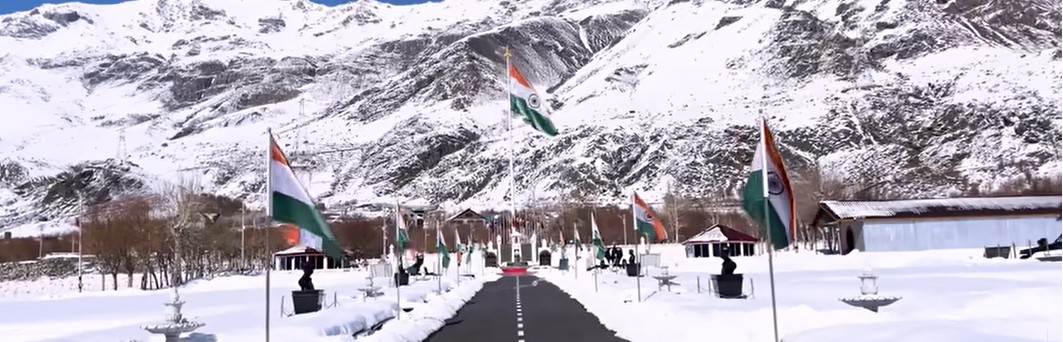
Ladakh, often called the “Land of High Passes,” is one of India’s most extraordinary high-altitude destinations. Tucked between the Himalayas and the Karakoram Range, this region spans over 59,000 square kilometers and showcases dramatic landscapes—rugged mountains, deep valleys, shimmering blue lakes, and vast cold deserts. Its unique geography shapes its extreme climate, from long freezing winters to short, pleasant summers, making Ladakh a dream location for adventurous travelers and nature lovers.
Culturally, Ladakh is deeply influenced by Tibetan and Indian traditions, with Buddhism at its core. Ancient monasteries like Hemis, Thiksey, Lamayuru, and Diskit offer spiritual havens, while colorful festivals such as Hemis Festival and Losar highlight the region’s vibrant traditions. Warm hospitality, sustainable lifestyle practices, and a strong sense of community add to Ladakh’s charm.
Whether you’re trekking in the Himalayas, marveling at the turquoise waters of Pangong Lake, exploring the mystical Nubra Valley, or capturing pristine landscapes through your lens, Ladakh offers an experience that is both serene and exhilarating.
Understanding the Best Time to Visit Ladakh
Choosing the right time to visit is crucial for enjoying Ladakh’s high-altitude beauty. The region experiences three main seasons—each offering unique advantages.
1. Summer (May to September): The Best Time to Visit
For most travelers, summer is the ideal season to visit Ladakh. Daytime temperatures range from 15°C to 30°C, making travel comfortable and road routes accessible.
Why visit in summer?
Best weather for sightseeing
Clear access to Pangong Lake, Nubra Valley, Tso Moriri, Khardung La
Popular festivals like Hemis
Peak trekking season
2. Monsoon (July to August): A Greener, Quieter Ladakh
While the rest of India experiences heavy rains, Ladakh remains in the rain shadow and stays relatively dry.
What to expect?
Fewer crowds
Slightly greener landscapes
Occasional roadblocks due to landslides leading into Ladakh
For solitude seekers, monsoon months can be surprisingly rewarding.
3. Winter (November to March): For the Adventurous
Winter in Ladakh is harsh but stunning. Temperatures can dip below –20°C.
Ideal for:
Chadar Trek (on the frozen Zanskar River)
Snow-covered landscapes
Unique winter festivals
However, this season is not recommended for first-time visitors due to extreme weather and road closures.
Seasonal Highlights: Activities and Attractions
Different seasons bring different experiences in Ladakh. Here’s what you can enjoy at various times of the year.
Summer Activities
Trekking: Markha Valley, Sham Valley, Stok Kangri
River Rafting: Indus and Zanskar rivers
Motorbiking: Leh—Khardung La—Nubra Valley routes
Camping: Pangong and Tso Moriri
Summer provides the most diverse options for adventure and sightseeing.
Winter Activities
Chadar Trek
Ice hockey and winter sports
Monastery festivals: Losar, Spituk Gustor
Photography: Frozen waterfalls, snow-covered peaks
Winter brings out Ladakh’s magical, untouched side—perfect for those seeking offbeat experiences.
Permits Required to Visit Ladakh
To protect Ladakh’s sensitive terrain and border regions, certain permits are mandatory for visitors.
1. Inner Line Permit (ILP) – For Indian Nationals
Indian citizens need an ILP for visiting restricted but popular areas including:
Nubra Valley
Pangong Lake
Tso Moriri
Dah Hanu
Khalsar
Where to apply?
Online via the official Ladakh administration portal
Offline at the DC office in Leh
2. Protected Area Permit (PAP) – For Foreign Nationals
Foreign nationals require a PAP for restricted areas such as:
Nubra Valley
Pangong Lake
Tso Moriri
Important: PAP can only be applied through a registered Indian travel agent.
How to Apply for Permits: Step-by-Step Guide
Securing permits is simple when you follow the right process.
Step-by-Step for ILP (Indians)
Visit the official Ladakh permit website.
Fill in personal details and upload ID proof (Aadhaar, Passport, Voter ID).
Select the areas you plan to visit.
Pay the environmental fees and apply.
Download and print your permit.
Step-by-Step for PAP (Foreign Tourists)
Contact a government-registered travel agent in Leh.
Submit passport + visa copies and itinerary.
Pay the applicable fees.
Collect your printed permit.
Useful tips
Apply at least 2–3 weeks in advance during peak season.
Keep multiple photocopies of your permit for checkpoints.
Always carry your ID proof while traveling.
Travel Tips for a Smooth Journey
Ladakh’s high altitude and unpredictable climate demand careful preparation.
1. Pack Smart
Layered clothing
Thermal innerwear
Down jacket
Sunglasses, sunscreen, gloves
Good trekking shoes
2. Acclimatize Properly
Spend 24–48 hours in Leh before heading to higher altitude regions to avoid acute mountain sickness (AMS).
3. Stay Hydrated
Drink plenty of water and avoid alcohol in the first two days.
4. Respect Local Customs
Learn simple phrases like “Julley” (hello, thank you).
Dress modestly in monasteries and sacred spaces.
5. Keep Essentials Handy
Carry:
AMS medication
First-aid kit
Permit photocopies
Power banks
Cultural Etiquette to Respect in Ladakh
Ladakhis are warm, respectful, and deeply spiritual. To maintain harmony:
Greet with “Julley”
Remove shoes before entering monasteries
Ask permission before photographing locals or monks
Avoid touching religious artifacts
Dress modestly
Respecting the region’s culture ensures meaningful interactions and supports responsible tourism.
Recommended Itineraries for Different Durations
3-Day Ladakh Itinerary
Day 1: Leh (Shanti Stupa, Leh Palace, markets)
Day 2: Hemis, Thiksey, Shey Monastery
Day 3: Day trip to Pangong Lake
5-Day Ladakh Itinerary
Days 1–2: Leh sightseeing + acclimatization
Days 3–4: Nubra Valley (Diskit, Hunder dunes, Turtuk)
Day 5: Pangong Lake + return to Leh
7-Day Ladakh Itinerary
Day 1–2: Leh
Day 3–4: Nubra Valley
Day 5–6: Pangong Lake
Day 7: Tso Moriri or Sham Valley
These itineraries help travelers experience the best of Ladakh based on their available time.
Conclusion: Why You Should Explore Ladakh Now
Ladakh stands as one of India’s most awe-inspiring destinations—where natural wonders, ancient culture, spirituality, and adventure blend seamlessly. Whether it’s the towering mountains, the serenity of its lakes, the charm of its monasteries, or the thrill of its high-altitude trails, Ladakh offers experiences you won’t find anywhere else.
With improved road connectivity, streamlined permits, and increasing awareness about sustainable travel, now is the perfect time to explore Ladakh. Its landscapes inspire, its culture enriches, and its adventures stay with you forever.
Start planning your journey today—and uncover the unmatched beauty of Ladakh.