


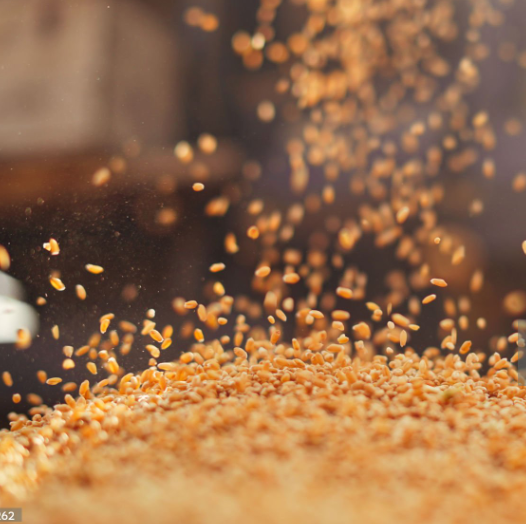
India’s agricultural landscape is undergoing a profound transformation, and the numbers tell a compelling story. The year 2024–25 has emerged as a historic milestone, with the nation recording its highest-ever foodgrain production of 357.73 million tonnes. This landmark achievement not only reflects robust farm output but also signals the rising resilience, technology adoption, and policy support shaping the future of Indian agriculture.
A Decade of Growth: From Food Security to Productivity Powerhouse
Ten years ago, in 2015–16, India produced 251.54 million tonnes of foodgrains. A decade later, the nation has added 106 million tonnes to its annual grain basket—a leap that few agricultural economies have witnessed in such a short span.
The surge has been broad-based, with cereals, pulses, oilseeds, and commercial crops all contributing to an upward trajectory. Improved seed varieties, expanded irrigation, better market access, and government-backed procurement have collectively strengthened the agricultural ecosystem.
Grain Glory: Record High Outputs Across India’s Staple Crops
This year’s crop estimates offer clear evidence of accelerated agricultural performance:
Cereals Take the Lead
-
Rice: 1,501.84 lakh tonnes — the highest since national record-keeping began.
-
Wheat: 1,179.45 lakh tonnes — another all-time high.
-
Maize: 434.09 lakh tonnes, boosted by demand from food processors, feed manufacturers, and ethanol producers.
-
Millets (Shri Anna): 185.92 lakh tonnes, reflecting renewed consumer and export interest.
India’s foodgrain story is now not just about quantity—but diversification, climate resilience, and market adaptability.
Pulses Gain Strength as India Pushes for Self-Reliance
Pulses have long been a critical nutritional cornerstone for Indian households. With rising domestic consumption and fluctuating global prices, the need to reduce import dependency has grown stronger than ever.
In 2024–25, India produced 256.83 lakh tonnes of pulses, with chickpea (111.14 lakh tonnes) and moong (42.44 lakh tonnes) leading the charts. Improved seeds, cluster-based cultivation, and increased MSP procurement have played a central role in this growth.
Oilseeds: The Biggest Success Story of 2025
Among the fastest-growing segments this year is oilseeds, with production touching a record 429.89 lakh tonnes. This surge has been driven by:
-
Soybean: 152.68 lakh tonnes
-
Groundnut: 119.42 lakh tonnes
-
Rapeseed & Mustard: 126.67 lakh tonnes
With India historically dependent on imported edible oils, this performance marks a strategic shift toward greater self-sufficiency and stability in the domestic oil market.
The Most Used Crops in 2025: What’s Powering India’s Demand?
India’s consumption patterns explain much of the growth in agricultural output:
- Rice & Wheat: Remain household staples for a majority of Indian families.
- Soybean & Groundnut: Power India’s edible oil and animal feed industries.
- Maize: A critical input for poultry feed, starch production, processed foods, and emerging ethanol blending policies.
- Chickpea: A staple protein source for vegetarian households and a major export commodity.
These crops anchor India’s domestic food systems and industrial value chains.
Policy Push: Schemes Empowering Farmers in 2025
The agricultural boom of 2024–25 is supported by a series of forward-looking policies and farmer-focused initiatives.
1. PM-KISAN Samman Nidhi
Over 11 crore farmers continue to receive direct income support, helping them invest in seeds, fertilizers, and machinery ahead of every cropping season.
2. Pradhan Mantri Fasal Bima Yojana (PMFBY)
Faster claim settlement, digital monitoring, and expanded coverage have made the scheme India’s largest crop-risk protection programme.
3. Self-Reliance in Pulses Mission (2025)
Focused on raising yields of tur, urad, moong, and chana through better seed distribution, training, and assured procurement.
4. National Mission on Edible Oils
A nationwide initiative to boost domestic oil production and reduce reliance on imports, especially of palm and soybean oil.
5. PM Krishi Sinchai Yojana
Micro-irrigation expansion is helping farmers overcome rainfall variability and cultivate more profitable crops like oilseeds and pulses.
6. Digital Agriculture Push
Drone spraying, precision farming tools, real-time weather advisories, and digital soil health cards are reshaping farm management.
7. Strengthened MSP Procurement
Increased procurement of rice, wheat, chana, tur, urad, and moong has given millions of farmers stable market access and predictable pricing.
New Frontiers: Climate Resilience, Integrated Farming, and Market Reforms
Beyond yields and tonnage, India’s agricultural development is now anchored in sustainability and technology. States are adopting integrated farming systems that combine crops, livestock, fisheries, and horticulture. Climate-resilient varieties are being promoted to counter the risks of floods, droughts, and heatwaves.
In addition, market linkages through FPOs (Farmer Producer Organisations), agri-startups, e-mandis, and private players are improving farmers’ income opportunities and reducing post-harvest losses.
The Road Ahead: Targeting 362.50 Million Tonnes in 2025–26
Looking forward, India has set an ambitious foodgrain production target of 362.50 million tonnes for 2025–26. The focus will be on sustaining the gains achieved this year, strengthening value chains, and promoting high-income crops like oilseeds, pulses, horticulture, cotton, and sugarcane.
Conclusion: A New Era of Agricultural Confidence
India’s record-breaking agricultural performance in 2024–25 is more than a statistical milestone—it is a testament to the grit of farmers, the efficiency of agricultural institutions, and the impact of sustained policy reforms. With rising productivity, expanding digital tools, and a renewed push toward self-reliance, the country stands on the cusp of a new era in food and farm prosperity.
As the sector gears up for future challenges—climate change, global market volatility, and increasing nutritional needs—India’s strengthened foundation offers confidence that the next decade will be defined not just by growth, but by resilience and innovation.