


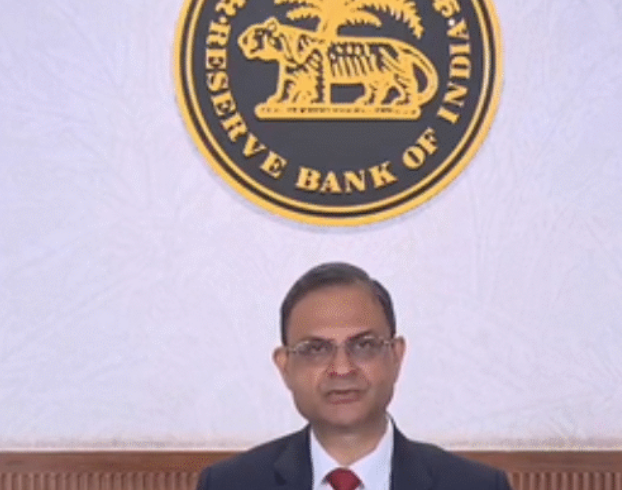
Mumbai, Feb 6: The Reserve Bank of India (RBI) is set to introduce a new regulatory framework aimed at energizing the country’s corporate bond market. The proposed guidelines will pave the way for derivatives on credit indices and total return swaps for corporate bonds, creating more avenues for risk management and investment.
RBI Governor Sanjay Malhotra highlighted the significance of this step, stating that an active derivatives market can help manage credit risks more effectively, enhance liquidity, and improve overall market efficiency. The reforms are expected to make it easier for companies across different credit ratings to issue bonds.
India’s corporate bond market, though growing, is still relatively small compared to global peers. By enabling innovative instruments like credit index derivatives and total return swaps, the RBI aims to deepen market activity, attract a wider pool of investors, and offer firms better access to capital.
Key benefits anticipated from these reforms include:
-
Effective Risk Management: Companies and investors can hedge against potential credit risks.
-
Boosted Liquidity: Easier trading of corporate bonds could encourage more market participation.
-
Wider Access to Funding: Firms with lower credit ratings may find it simpler to raise capital through bonds.
Financial analysts believe that these measures could increase the volume of corporate bond issuance in India, strengthen investor confidence, and bring the market closer to international standards.
As the RBI prepares to roll out these regulations, India’s corporate bond market could enter a new phase of growth, offering more opportunities for investors and companies alike.