


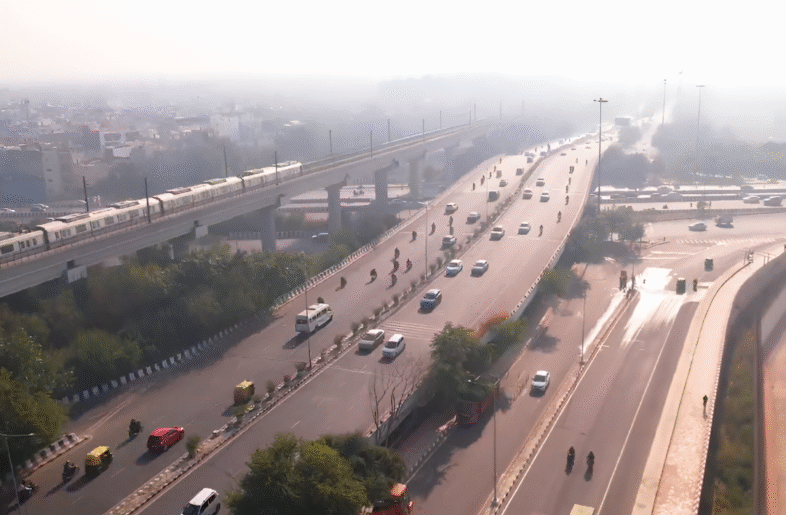
New Delhi, February 1, 2026 – The Union Budget 2026-27, presented by Finance Minister Nirmala Sitharaman, marked a significant push for infrastructure development, with capital expenditure (capex) set at a record Rs 12.2 lakh crore for the fiscal year 2026-27. This represents a nearly 9–10% increase over the previous year’s allocation of Rs 11.21 lakh crore, signaling the government’s strong commitment to sustaining economic growth through public investment.
Key Focus Areas in Infrastructure
-
Core Sectors: The increased allocation targets key sectors including roads, railways, ports, and power, reinforcing India’s long-term infrastructure backbone.
-
Tier-2 and Tier-3 Cities: The budget emphasizes upgrading infrastructure in cities with populations above 5 lakh, aiming to transform them into regional growth hubs and improve urban connectivity.
-
High-Speed Rail Corridors: Seven new high-speed rail projects were announced to enhance intercity connectivity and modernize passenger transport.
-
Dedicated Freight Corridors (DFC): A new DFC connecting Dankuni in the East to Surat in the West is proposed to streamline logistics and reduce freight transit times.
-
Inland Waterways: The government plans to operationalize 20 additional inland waterways over the next five years, supporting eco-friendly transport of goods.
-
Private Sector Participation: Introduction of an Infrastructure Risk Guarantee Fund is expected to provide credit guarantees for lenders, encouraging private investment in large-scale projects.
-
Asset Monetization: Continued emphasis on recycling public assets through dedicated Real Estate Investment Trusts (REITs) aims to optimize returns and fund new infrastructure ventures.
Strategic Importance
From 2014-15 to FY27, public investment in infrastructure has grown sixfold, reflecting the government’s consistent focus on long-term economic growth. By prioritizing transport, logistics, and urban development, the budget aims to enhance productivity, create jobs, and improve regional connectivity.
The Budget 2026-27 underscores that infrastructure development remains a cornerstone of India’s economic strategy, balancing public investment with private participation while leveraging modern technologies and sustainable practices.