


New Delhi: India’s industrial heartbeat showed renewed strength early in 2026, with the Index of Eight Core Industries (ICI) rising 3.7% year‑on‑year in December 2025. The data, released by the Ministry of Commerce and Industry, reflects a broad‑based uptick in key sectors underpinning the nation’s economic engine—signalling resilience amid global economic uncertainties and strong domestic demand.
The ICI is a key barometer of India’s industrial performance, capturing activity across eight foundational sectors: Coal, Crude Oil, Natural Gas, Refinery Products, Fertilisers, Steel, Cement, and Electricity. Collectively, these account for over 40% of the Index of Industrial Production (IIP), making them crucial indicators of underlying economic health.
What’s Driving the December Uptick?
The core industries showed a mixed but predominantly positive trend in December:
-
Cement production surged, building on strong infrastructure and construction demand across cities and towns.
-
Fertiliser output rose steadily, supporting the agricultural sector as sowing activity and crop cycles gain momentum.
-
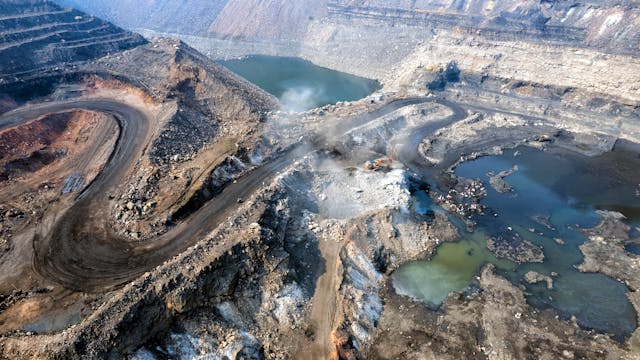
Coal production continued its uptrend, ensuring stable fuel supply to power plants and energy‑intensive industries.
-
Steel and electricity also contributed to the growth story, reflecting sustained industrial and commercial activity.
Together, these sectors helped push the ICI to its highest December growth rate in several months, underscoring India’s robust industrial momentum.
A Look Back: Steady Growth Through the Year
The December numbers follow a series of encouraging performances throughout 2025:
-
In September 2025, the core index expanded by 3.0%, led by increases in steel, cement, electricity, and fertiliser production.
-
Earlier in November, the ICI had recorded a 1.8% year‑on‑year rise, driven by growth in cement, steel, fertilisers, and coal, even as crude oil and natural gas output softened.
-
The final growth figure for August 2025 stood at 6.5%, the strongest in recent months, reflecting cyclical demand and inventory build‑ups in key sectors.
Across April to September 2025–26, the cumulative growth rate was 2.9%, indicative of underlying recovery trends despite some headwinds in energy production.
Sector Insights: Strengths and Challenges
A closer look at the eight core sectors reveals a nuanced picture:
Coal: As the primary fuel source for thermal power generation and heavy industry, coal remains essential. Its consistent output growth in December helped stabilise energy availability, even as broader energy transition debates continue to shape long‑term strategies.
Fertilisers: Increased fertiliser production supports agricultural productivity and rural income, tying industrial output directly to the farm economy—a critical linkage in India’s growth story.
Cement: Cement’s robust expansion mirrors sustained infrastructure activity—from highways and metro projects to residential developments—highlighting the construction sector’s pivotal role in driving demand.
Steel & Electricity: Growth in steel underscores expanding manufacturing capacity, while electricity generation reflects solid industrial and commercial consumption.
On the other hand, Crude Oil and Natural Gas segments have faced pressure, with production dips in earlier months pointing to exploration and energy mix challenges. These energy components continue to temper the overall core sector performance.
Why Core Industry Growth Matters
The Index of Eight Core Industries is more than just a statistical indicator—it offers a real‑time pulse check on the sectors that power India’s economy. Strong performance in these areas has multiple implications:
-
Employment and Demand: As infrastructure and industrial projects expand, job creation rises, supporting household incomes and consumption growth.
-
Investment Confidence: Consistent output gains help attract private and foreign investment into manufacturing, energy, and construction ecosystems.
-
Supply Chain Stability: Growth in core sectors supports ancillary industries, ensuring smoother supply chains and production continuity.
-
Policy Validation: The uptick reaffirms policy measures focused on infrastructureisation, production incentives, and energy security.
Looking Ahead: Opportunities and Imperatives
As India advances toward its ambitious economic goals—aiming for sustained expansion and increased global integration—the core sectors will remain central pillars of growth. Strategic priorities include:
-
Boosting Energy Output: Enhancing crude oil and natural gas production, alongside renewable energy expansion, will strengthen India’s energy self‑reliance.
-
Enhancing Value Chains: Continued focus on value‑added manufacturing can help translate raw production gains into higher economic impact.
-
Sustainable Development: Balancing industrial expansion with environmental sustainability will be key as India scales infrastructure and heavy industry.
Conclusion
The latest December surge in India’s core industries reinforces a positive narrative: the Indian economy is finding its footing, driven by infrastructure momentum, agricultural support systems, and industrial resurgence. While challenges remain in energy extraction and certain commodity cycles, the broader pattern points to resilience and recovery.
For policymakers, investors, and business leaders, the core sector trends offer a hopeful glimpse into the structural strength of India’s industrial base—one that can support future growth, employment creation, and long‑term economic stability.