


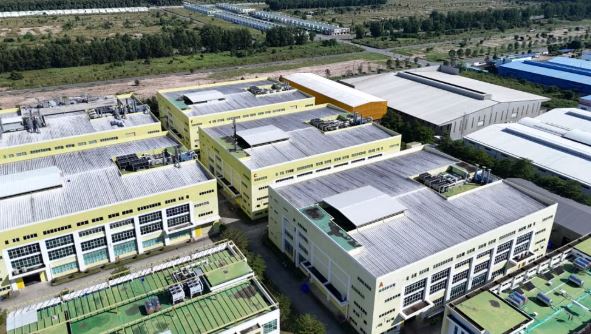
Singapore is strengthening its manufacturing sector through green technology, cleaner production and sustainable industrial investments, creating new opportunities for businesses across the industrial value chain. As global industries face growing pressure to reduce emissions and improve resource efficiency, the country is positioning itself as a high-value manufacturing hub where economic growth and environmental responsibility go hand in hand.
The shift is changing how manufacturers approach investment, production and long-term business planning. Through the Singapore Green Plan 2030 and its Manufacturing 2030 vision, the government is encouraging companies to adopt energy-efficient systems, advanced technologies and low-carbon production methods. For businesses, this transition offers more than environmental benefits. It creates opportunities to improve productivity, manage operating expenses and strengthen their position in international supply chains.
Green Plan Drives Industrial Change
Singapore’s Green Plan 2030 is playing an important role in integrating sustainability into the country’s economic development. Its focus on cleaner energy, sustainable living and green economic growth is encouraging industries to reduce their environmental impact while maintaining business competitiveness.
For manufacturers, this means greater attention to energy consumption, material efficiency and industrial waste. Companies are increasingly exploring modern machinery, energy monitoring systems and cleaner production processes to improve operational performance.
These investments can deliver practical business benefits. Lower energy consumption can reduce production expenses, while better resource management can minimise waste and improve overall efficiency. Sustainability is therefore becoming an important consideration in industrial investment decisions rather than simply a regulatory requirement.
Manufacturing 2030 Raises Ambitions
Singapore’s Manufacturing 2030 vision aims to strengthen the country’s position as a global advanced manufacturing hub. The strategy focuses on high-value production, innovation, automation and stronger industrial capabilities.
This is encouraging businesses to move towards smart manufacturing facilities supported by artificial intelligence, robotics, industrial Internet of Things systems and advanced data analytics.
These technologies help manufacturers monitor production, identify equipment problems and improve the use of energy and raw materials. Predictive maintenance, for example, allows companies to identify potential machinery failures before they cause costly production interruptions.
For industrial investors, the shift creates demand for automation solutions, digital infrastructure, specialised engineering and advanced manufacturing equipment. It also supports the development of a more technology-driven industrial ecosystem.
Jurong Island Goes Greener
Jurong Island is emerging as an important part of Singapore’s industrial sustainability strategy. The government is working to transform the established energy and chemicals hub into a Sustainable Energy and Chemicals Park.
The transition includes initiatives involving carbon capture, utilisation and storage, circular plastics, sustainable chemicals and cleaner energy solutions.
The development of the Low-Carbon Technology Translational Testbed also supports the testing and commercial development of emerging industrial technologies. Such facilities can help companies assess new solutions under practical conditions before committing to larger investments.
This transformation presents opportunities for engineering firms, technology developers, research institutions and suppliers of sustainable industrial materials. Businesses offering carbon management, recycling and energy efficiency solutions could find new demand as industrial facilities upgrade their operations.
Carbon Tax Changes Investment Priorities
Carbon pricing is becoming an increasingly important factor in Singapore’s manufacturing sector. The country’s carbon tax encourages industrial businesses to reduce emissions and improve energy efficiency.
Singapore’s carbon tax increased to S$45 per tonne of carbon dioxide equivalent in 2026 and will remain at that level in 2027. The government has outlined a target range of S$50 to S$80 per tonne by 2030.
For manufacturers, carbon emissions are becoming a more visible business cost. Companies operating energy-intensive facilities need to consider how production methods and energy consumption affect their long-term expenses.
Investments in efficient machinery, cleaner fuels, energy management and emissions reduction technologies can help businesses manage these costs. They can also strengthen supplier relationships with international customers that increasingly consider environmental performance when selecting manufacturing partners.
Green Technology Opens Business Opportunities
Singapore’s transition towards sustainable manufacturing is creating opportunities across several industrial segments. Renewable energy, industrial automation, recycling, energy storage, environmental monitoring and sustainable materials are becoming important areas for investment.
Small and medium-sized enterprises can also participate by supplying energy-efficient components, providing equipment maintenance, developing sustainable packaging and offering specialised industrial services.
For technology companies, the growing demand for cleaner production creates opportunities to develop solutions that help manufacturers monitor emissions, reduce waste and improve energy consumption.
However, businesses must evaluate the commercial value of these investments. Equipment costs, installation expenses, maintenance requirements and potential savings need to be considered before introducing new technologies. Government assistance and suitable financing can help companies manage the initial investment burden.
Green Finance Supports Industrial Upgrades
Access to finance remains essential for manufacturers planning sustainable upgrades. Modernising production facilities, replacing older equipment and introducing low-carbon technologies often require substantial upfront capital.
Green loans, sustainability-linked financing and government-supported funding programmes can help businesses undertake these projects.
For financial institutions, this creates opportunities to develop specialised financing products and advisory services for industrial customers. For manufacturers, access to suitable funding can make sustainability investments more manageable while allowing them to plan improvements over a longer period.
The growing connection between finance and environmental performance also encourages companies to establish measurable sustainability targets and assess the commercial results of their investments.
Industrial Transition Faces Challenges
Despite the growing opportunities, sustainable manufacturing involves considerable investment and operational adjustments. High technology costs, limited access to specialised skills and the complexity of upgrading existing facilities can create difficulties, particularly for smaller manufacturers.
Businesses must also ensure that new systems deliver measurable improvements without disrupting production or affecting product quality.
Better access to technical expertise, government support and industry partnerships will be important in addressing these challenges. Companies that introduce changes through carefully planned investment strategies are more likely to achieve a balance between environmental performance and commercial returns.
Green Manufacturing Shapes Singapore’s Industrial Future
Singapore’s move towards sustainable manufacturing reflects a broader change in global industrial investment. Businesses are increasingly expected to produce efficiently, manage emissions and demonstrate responsible use of resources.
The country’s focus on green technology, advanced manufacturing and industrial innovation is creating opportunities for investors, manufacturers and technology providers while strengthening its position in international supply chains.
For businesses, the real opportunity lies in making sustainability commercially practical. Investments that improve energy efficiency, reduce material waste and strengthen production capabilities can support both environmental objectives and long-term profitability.
As Singapore advances its Green Plan 2030 and Manufacturing 2030 ambitions, green technology is set to play an increasingly important role in shaping industrial competitiveness. The companies that adapt their operations and investment strategies to this changing environment will be better positioned to participate in the next phase of manufacturing growth.