


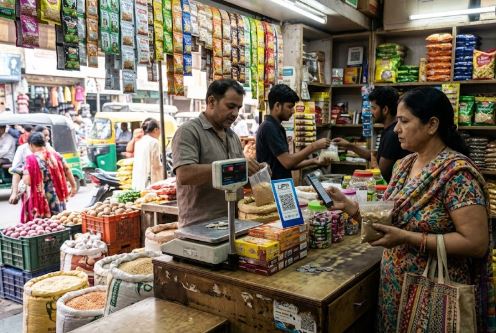
Digital payments have become a regular part of shopping in India. From buying groceries at neighbourhood stores to paying for online orders, consumers are increasingly using UPI, mobile wallets and cards to make everyday transactions. A simple scan or tap has made payments faster and more convenient, changing how people spend money and how businesses manage their sales.
The growth of digital payments reflects this shift. In September 2026, UPI processed approximately 24.07 billion transactions worth ₹29.37 lakh crore, highlighting the scale at which digital payments have become part of India’s economy.
For businesses, this change is about more than offering a cashless payment option. Digital transactions are influencing customer behaviour, improving financial record-keeping and creating new opportunities for retailers to expand their reach.
Digital Payments Are Changing Consumer Spending Habits
Convenience is one of the biggest reasons consumers are choosing digital payments. Customers can pay for products and services within seconds without carrying cash or searching for exact change.
Cashback offers, reward points and instant discounts also influence purchasing decisions. Consumers may choose a particular platform or retailer because it offers an attractive deal or a smoother payment experience.
However, the ease of digital transactions can sometimes make spending less noticeable. Small purchases made throughout the day may seem insignificant individually but can add up to a substantial amount over time.
For households managing monthly budgets, regularly checking transaction histories and setting spending limits can help prevent unnecessary expenses. Digital payments make spending easier, but keeping track of money remains essential.
Faster Payments Improve Retail Operations
For retailers, digital payments can simplify everyday transactions and reduce the time customers spend waiting at checkout counters. QR code payments and contactless cards are particularly useful during busy shopping hours, when faster service can improve the overall customer experience.
Digital transaction records also make it easier for business owners to track sales, reconcile payments and maintain accounts. These records can reduce paperwork and help identify discrepancies more quickly.
For small shops, restaurants and independent service providers, even simple digital payment systems can make daily operations more organised. Less time spent handling cash and recording transactions can allow business owners to focus more on customers and other business priorities.
New Opportunities for Small Businesses
Digital payments are helping local businesses serve customers who prefer cashless transactions. They also make it easier for sellers to maintain transaction records and monitor incoming payments.
When combined with accounting and inventory management tools, digital records can provide useful insights into sales patterns. Retailers can identify popular products, plan stock purchases and respond more effectively to changes in demand.
For small and medium-sized enterprises, these improvements can support better financial planning and reduce avoidable inventory costs. Digital payments can also complement online sales channels, allowing businesses to serve customers beyond their immediate neighbourhoods.
The greatest benefit comes when businesses use digital transactions as part of a broader effort to improve efficiency and manage growth.
Managing Payment Costs and Profit Margins
Although digital payments offer several advantages, businesses must also understand the costs associated with different payment methods. Charges, where applicable, can affect profit margins, particularly for retailers handling large numbers of low-value transactions.
India’s digital payment ecosystem has also seen changes in the treatment of certain high-value merchant UPI transactions. Under the framework introduced in October 2026, eligible transactions above ₹2,000 may attract specified merchant charges, subject to applicable exemptions and limits.
For retailers, understanding the relevant payment terms is important when choosing service providers and estimating operating costs. Clear communication and reliable payment options can help businesses maintain customer confidence while protecting their margins.
Security Remains a Major Priority
As digital transactions become more common, businesses and consumers must remain alert to payment fraud. Fake payment screenshots, phishing messages and fraudulent requests can lead to financial losses when transactions are not properly verified.
Retailers should confirm that money has been credited to their accounts rather than relying only on screenshots or customer notifications. Regular account checks, secure devices and employee awareness can help reduce risks.
Technical problems can also interrupt business. Network disruptions or payment system failures may prevent customers from completing purchases, making it useful for retailers to maintain alternative payment arrangements.
How Digital Payments Will Shape the Future of Retail
Digital payments are becoming an important part of India’s retail economy, changing how consumers shop and how businesses manage transactions. Faster payments, clearer records and access to digital tools can help retailers improve efficiency and respond to changing customer expectations.
For consumers, the priority is to enjoy the convenience of cashless payments without losing control of personal spending. For businesses, success depends on balancing convenience with security, cost management and reliable service.
As digital payment adoption continues to grow, retailers that combine easy payment options with sound financial management will be better positioned to build customer loyalty, manage daily operations and identify new opportunities for business growth.