


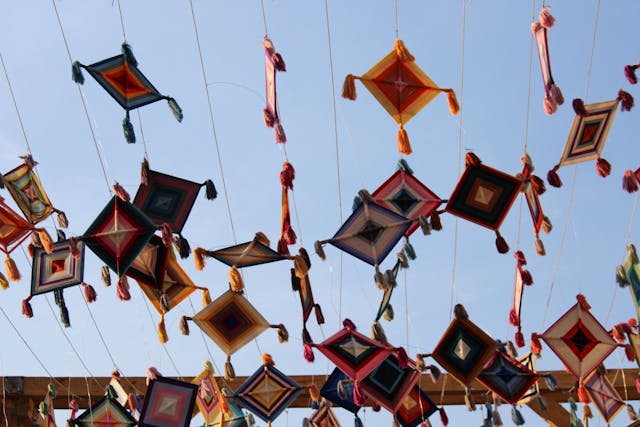
As winter gives way to longer days and gentler sunlight, India enters a season of celebration that is both ancient and deeply symbolic. Makar Sankranti, observed across the country in diverse forms, marks more than a change in the solar calendar. It reflects India’s civilisational rhythm—where nature, culture, and community move together in harmony. In recent years, this timeless festival has also emerged as a powerful expression of the vision of Ek Bharat Shreshtha Bharat, reinforcing the idea that India’s unity thrives through its diversity.
A Festival Rooted in the Cosmos and the Fields
Makar Sankranti is one of the few Indian festivals governed by the solar calendar. It signifies the Sun’s transition into the Makara (Capricorn) constellation and the beginning of its northward movement, known as Uttarayana. Traditionally regarded as an auspicious period, this transition has been celebrated for centuries as a moment of renewal, warmth, and spiritual upliftment.
Equally important is the festival’s agricultural significance. For farming communities, Makar Sankranti marks the culmination of the winter harvest and the beginning of a new agricultural cycle. It is a time to express gratitude—for the land, the Sun, and the labour that sustains life. Across regions, harvest offerings, community feasts, and rituals honour this intimate connection between humans and nature.
Many Names, One Shared Meaning
What makes Makar Sankranti truly unique is the way it unites the country through varied regional expressions. In Gujarat, skies fill with kites during Uttarayan. In Punjab, Lohri is celebrated around bonfires, symbolising warmth and prosperity. Tamil Nadu welcomes Pongal with thanksgiving rituals, while Assam observes Magh Bihu with community feasts. In parts of North India, the festival is known as Khichdi, emphasising simplicity and sharing.
Despite differences in customs, food, and rituals, the essence remains the same—celebration of abundance, hope for prosperity, and a collective sense of renewal. This shared cultural heartbeat makes Makar Sankranti a natural embodiment of national unity.
Ek Bharat Shreshtha Bharat: Unity Through Cultural Exchange
The vision of Ek Bharat Shreshtha Bharat, articulated in 2015, seeks to strengthen emotional bonds between India’s States and Union Territories through sustained cultural interaction. It is built on the belief that understanding and respect grow when people experience each other’s traditions, languages, and ways of life.
Festivals play a central role in bringing this vision to life. When regional celebrations are shared in public spaces—through music, dance, food, and art—they become platforms for dialogue and connection. Makar Sankranti, celebrated simultaneously across the country in diverse forms, offers a powerful opportunity for such cultural exchange.
Kites: A Tradition That Connects the Nation
Among the many symbols associated with Makar Sankranti, kite flying stands out as a unifying cultural expression. Once a simple seasonal activity, it has evolved into a vibrant tradition that brings families and communities together. The sight of colourful kites soaring in the winter sky captures the joy, competition, and camaraderie that define the festival.
In recent years, organised kite festivals have transformed this tradition into a shared national experience. These events draw participants from different regions, showcasing unique kite designs, techniques, and cultural stories. They turn the sky into a canvas of collective celebration, where regional identities coexist in joyful harmony.
Tradition, Memory, and National Consciousness
Kites also carry historical and emotional significance. In different periods of India’s past, they have been used to convey messages, express resistance, and unite people around shared causes. This layered history gives modern celebrations a deeper resonance, linking cultural practice with collective memory.
By reviving and reimagining these traditions, contemporary festivals help younger generations connect with their heritage. They transform history from distant narratives into lived experiences, reinforcing a sense of belonging and national pride.
Public Spaces as Cultural Bridges
The growing emphasis on celebrating festivals in open, inclusive public spaces has added a new dimension to cultural life in Indian cities. Such spaces encourage participation across social and regional boundaries, making culture accessible rather than exclusive.
When festivals like Makar Sankranti are celebrated in these settings, they become more than events—they become experiences that invite people to engage with traditions beyond their own. This shared participation strengthens social cohesion and nurtures mutual respect.
Celebrating Diversity Without Dilution
A defining strength of India’s cultural model is its ability to celebrate diversity without erasing individuality. Ek Bharat Shreshtha Bharat does not seek uniformity; it encourages appreciation. Makar Sankranti exemplifies this balance perfectly. Each region preserves its distinct customs, yet all contribute to a shared national celebration.
This approach fosters unity that is organic and enduring. It recognises that cultural pride and national identity are not opposites, but complements.
Looking Ahead: Festivals as Instruments of Unity
As India continues to evolve socially and economically, cultural traditions will remain vital anchors. Festivals rooted in shared values and local expressions can play a meaningful role in strengthening national bonds, promoting tourism, supporting cultural industries, and passing heritage to future generations.
Makar Sankranti, with its blend of cosmic significance, agrarian roots, and regional richness, stands as a reminder that unity is most powerful when it rises naturally—from the ground, the community, and the sky above.
One Nation, One Sky
When countless kites rise together, each distinct yet sharing the same expanse, they offer a quiet metaphor for India itself. Different in form, colour, and direction—yet united by a common horizon. Through festivals like Makar Sankranti and the enduring vision of Ek Bharat Shreshtha Bharat, India continues to celebrate this harmony, reaffirming that its greatest strength lies in the beautiful balance between oneness and diversity.