


India has no shortage of places to visit. But in 2026, travellers are increasingly looking beyond the destinations that appear on every holiday list.
The new attraction is often a quieter road, a small mountain village, a local food experience or a place where you can actually slow down.
This shift is reflected in Agoda’s Indian Traveler in 2026 report. The report found growing interest among Indian travellers in lesser-known destinations, with fewer crowds, unique cultural experiences and lower costs among the reasons for choosing alternatives to traditional tourist hotspots. Relaxation, outdoor activities and cultural exploration were also identified as key travel motivations.
Another interesting finding comes from Airbnb’s 2026 research on Indian Gen Z travellers. Its survey found that 90% of respondents actively looked for places that had not gone viral or been widely recommended online, while 95% wanted their trips to feel personal and unique.
In other words, travellers are not necessarily looking for more places to tick off. They are looking for places that give them something to remember.
Here are 10 lesser-known Indian destinations worth discovering in 2026.
1. Ziro Valley, Arunachal Pradesh
Ziro Valley feels a world away from the usual tourist circuit.
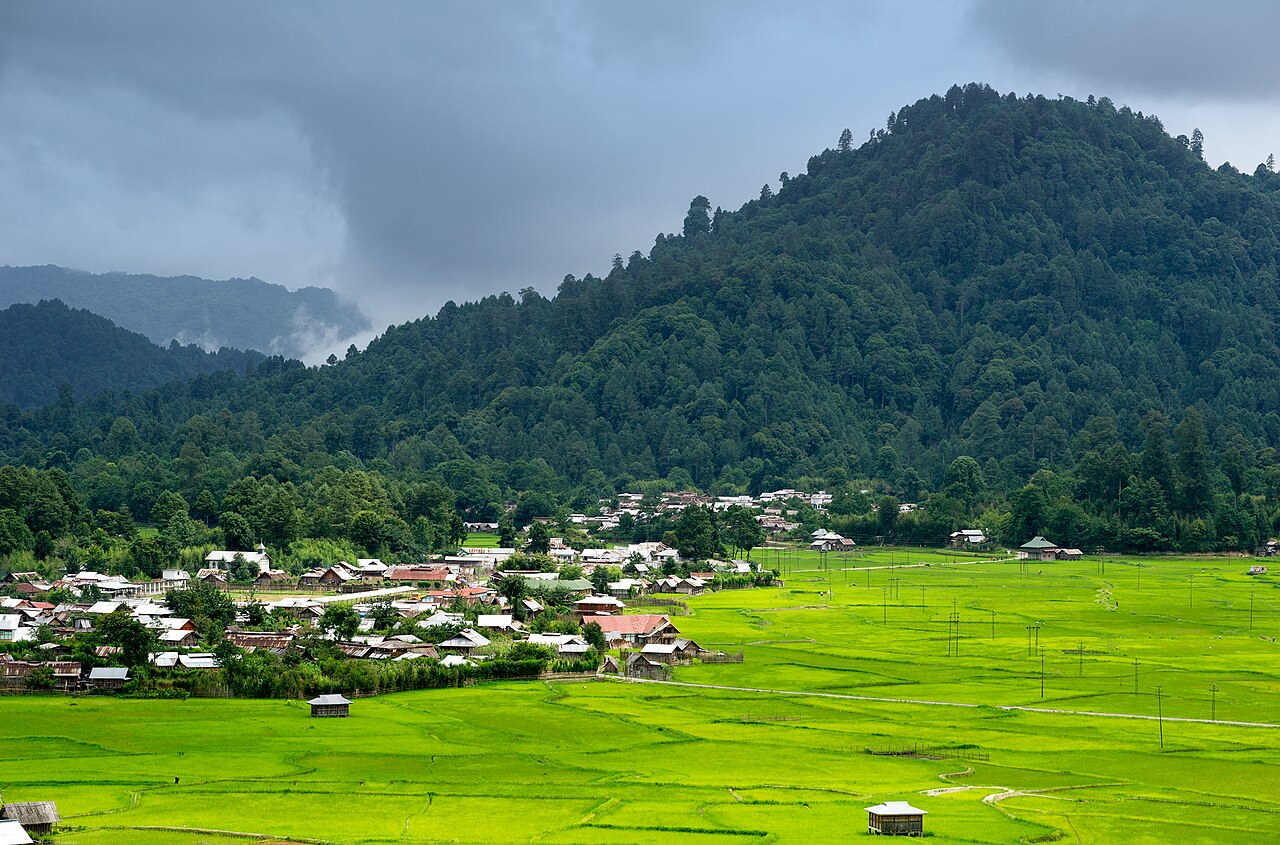
Green rice fields, rolling hills and traditional villages create a landscape that is best explored without rushing. The valley is also closely associated with the Apatani community, making its culture an important part of the experience.
A walk through the villages, a conversation with locals or simply spending a quiet morning surrounded by the hills can become more memorable than a packed sightseeing itinerary.
For travellers looking for nature and culture in the same trip, Ziro is an intriguing choice.
2. Majuli, Assam
Majuli is a place where the journey feels as important as the destination.
Set amid the Brahmaputra, the river island is known for its satras, traditional arts, mask-making and distinctive Assamese culture.
Instead of looking for one major attraction, travellers can explore villages, meet artisans and experience the slower rhythm of island life.
Majuli is particularly suited to those who want their holiday to feel less like conventional sightseeing and more like discovering another way of life.
3. Koraput, Odisha
Koraput brings together hills, forests, waterfalls, coffee plantations and rich local traditions.
It is also a destination where coffee can become part of the travel story. Visitors can explore plantations, discover local flavours, drive through scenic landscapes and experience the region’s cultural heritage.
For travellers who have already explored Odisha’s better-known coastal destinations, Koraput offers something very different.
It is the kind of place where the best moments may come unexpectedly — during a drive through the hills, at a local market or over a cup of locally grown coffee.
4. Daringbadi, Odisha
Often described as one of Odisha’s hill destinations, Daringbadi offers pine forests, plantations, valleys and a cooler climate.
The destination is ideal for travellers who want a change from the typical beach holiday or busy city break.
The journey through the hills is part of its charm. There is also enough natural beauty around the destination to make simply slowing down and enjoying the surroundings worthwhile.
Daringbadi may not have the instant recognition of Shimla or Manali, and that is precisely what makes it interesting for travellers searching for something different.
5. Tirthan Valley, Himachal Pradesh
Himachal Pradesh is no stranger to tourism, but Tirthan Valley offers a quieter side of the state.
Surrounded by forests and mountains and located close to the Great Himalayan National Park, the valley is well suited to trekking, nature walks, fishing and relaxed village stays.
There is less pressure to keep moving. A morning beside the river or an afternoon exploring a nearby village can easily become part of the holiday.
For travellers interested in outdoor experiences without the atmosphere of a crowded hill station, Tirthan Valley deserves attention.
6. Reiek, Mizoram
Reiek, near Aizawl, offers sweeping views of Mizoram’s hills and a chance to experience the state’s natural beauty at a slower pace.
The destination can also be combined with exploring local food, villages and Mizo culture.
For many travellers, the Northeast remains one of India’s most rewarding regions for discovering places outside the mainstream tourism map. Reiek provides an accessible introduction to Mizoram’s landscape while still offering a sense of escape.
7. Orchha, Madhya Pradesh
Not every lesser-known destination has to involve mountains or remote landscapes.
Orchha is a reminder that India’s heritage towns can also provide a slower travel experience.
Its temples, palaces, old streets and riverside setting are best explored on foot, giving visitors time to notice the details rather than simply moving from one attraction to another.
For travellers interested in history, architecture and photography, Orchha offers plenty to explore without the intensity of India’s more crowded heritage destinations.
8. Kanthalloor, Kerala
Kerala is already firmly established on India’s tourism map, but Kanthalloor offers a very different experience from the state’s famous beaches and backwaters.
Located in the Western Ghats, the area is known for its farms, plantations, mountain scenery and pleasant climate.
It is the kind of destination where an unhurried morning can be as enjoyable as a planned excursion.
For travellers seeking greenery, fresh air and a quieter escape, Kanthalloor fits neatly into the growing preference for nature-led travel.
9. Velas, Maharashtra
Velas offers a different reason to travel.
The coastal village is known for olive ridley turtle conservation and seasonal nesting activity, bringing wildlife and responsible tourism into the travel experience.
Rather than focusing on resorts and nightlife, a trip here can revolve around the coast, nature and the local community.
It is a good example of how travel can become more meaningful when visitors take an interest in the environment and people of the destination.
10. Sarmoli, Uttarakhand
Sarmoli offers a chance to experience the Himalayas through village life rather than a conventional hill-station holiday.
Mountain views, local homes and walks through the surrounding landscape make the destination particularly attractive to travellers who prefer a slower pace.
There may not be a long list of attractions to tick off. Instead, the appeal comes from staying longer, walking more and experiencing the surroundings.
And perhaps that is exactly what makes it relevant in 2026.
Why Travellers Are Looking Beyond the Usual Destinations
The rise of lesser-known destinations is not simply about finding a place where fewer people have taken photographs.
It reflects a broader change in what travellers expect from a holiday.
Agoda’s Indian Traveler in 2026 report points towards growing interest in secondary destinations, particularly because they can offer fewer crowds, cultural experiences and better value. The report also identifies relaxation and outdoor activities among the major reasons Indians travel.
Airbnb’s research points towards another important change. Its survey found that many young Indian travellers are deliberately looking for destinations that have not become viral online.
That could have a major impact on how travel evolves over the next few years.
A destination no longer needs to be famous to be desirable. A quiet homestay, a local festival, a mountain trail, a regional dish or a conversation with a resident can become the highlight of a trip.
The Joy of Discovering Somewhere New
India’s most interesting travel stories may increasingly come from places that do not dominate Instagram feeds.
Ziro can offer culture and landscapes. Majuli can offer a glimpse into island life. Koraput can turn coffee into a travel experience. Kanthalloor can provide a quiet mountain escape. Orchha can make history feel intimate rather than overwhelming.
The idea is not to stop visiting India’s famous destinations. It is simply to look beyond them once in a while.
Because sometimes the most memorable journey is not the one everyone is talking about.
It is the one you discover for yourself.
Pic credit: Wikipedia