


New Delhi, Sep 15: India is rapidly strengthening its position in the global semiconductor and electronics manufacturing landscape, with the Centre approving 12 semiconductor projects across six states involving investment commitments of more than Rs 1.64 lakh crore.
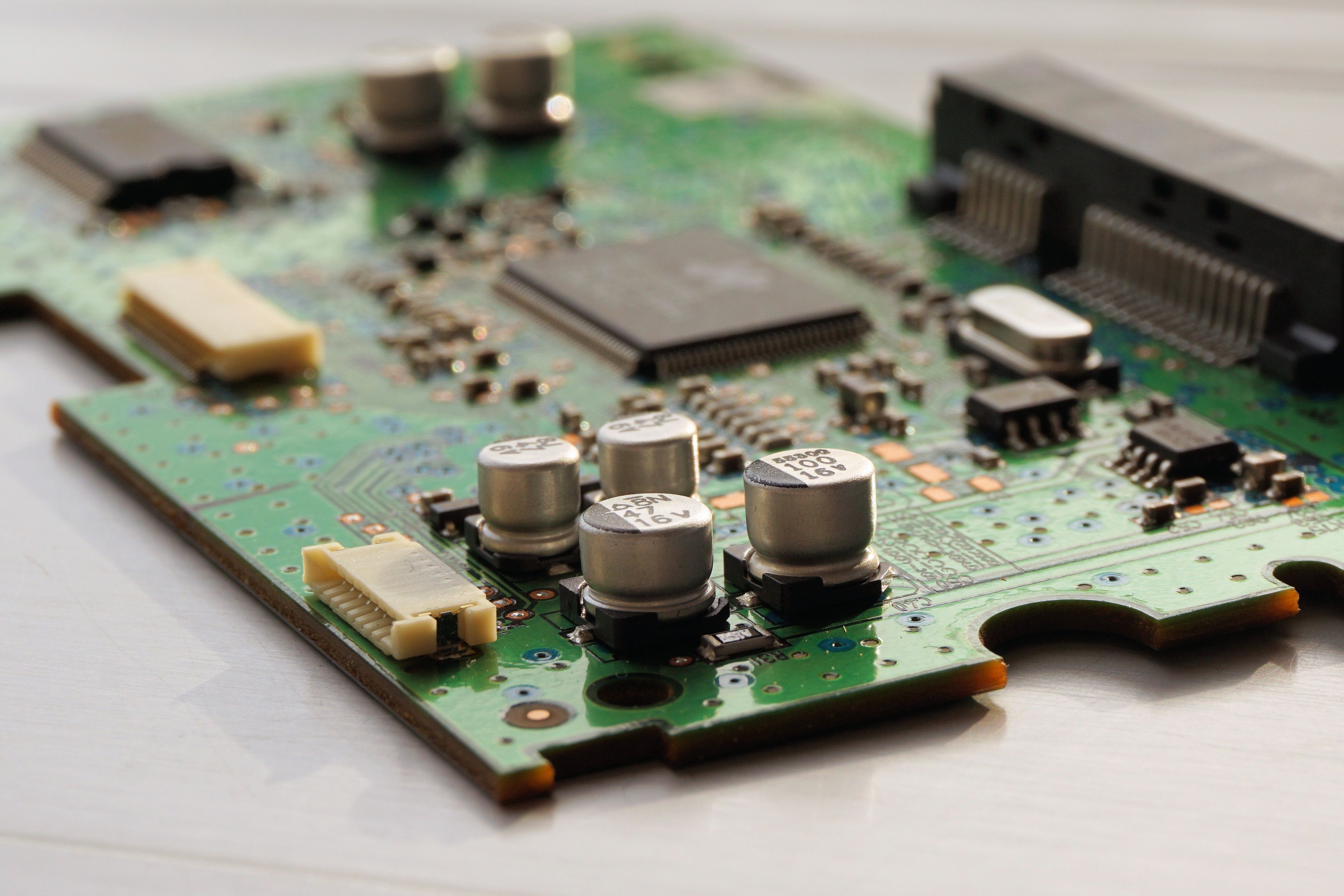
Pic Credit: Pexel
The projects cover a wide range of semiconductor manufacturing activities, including silicon and compound semiconductor fabrication, display manufacturing and advanced packaging. Three of the approved facilities have already started commercial production, marking a significant step towards building a domestic semiconductor ecosystem.
The latest developments come ahead of SEMICON India 2026, a major industry gathering that will bring together semiconductor companies, investors, policymakers and technology stakeholders from India and across the world. Prime Minister Narendra Modi is scheduled to inaugurate the three-day event in New Delhi on Thursday.
India’s semiconductor ambitions have expanded considerably since the launch of the Semicon India programme in 2021 with an initial financial outlay of Rs 76,000 crore. In July 2026, the government approved Semicon 2.0 with a much larger outlay of Rs 1,27,500 crore, signalling a stronger long-term commitment to developing domestic capabilities across the semiconductor value chain.
Semicon 2.0 focuses on six key areas — chip design, semiconductor equipment and materials, fabrication facilities, advanced packaging, research and development, and talent development. The broader approach is aimed at reducing dependence on overseas supply chains while creating a stronger base for high-value electronics manufacturing in India.
The growth of the semiconductor sector is closely linked with India’s wider electronics manufacturing expansion. Electronics production has increased sharply from around Rs 1.9 lakh crore in 2014-15 to Rs 13.11 lakh crore in 2025-26. During the same period, electronics exports rose from approximately Rs 38,000 crore to Rs 4.24 lakh crore.
Mobile phone manufacturing has also undergone a major transformation. Production increased from about Rs 18,000 crore in 2014-15 to Rs 6.27 lakh crore in 2025-26, while mobile phone exports climbed from around Rs 1,500 crore to Rs 2.59 lakh crore.
India now manufactures 99.2 per cent of the mobile phones consumed domestically and has shifted from being a net importer of mobile phones to becoming a net exporter. This transformation has helped create a large manufacturing base and strengthen India’s role in global electronics supply chains.
The sector is also emerging as an important source of employment. Electronics manufacturing currently supports around 2.5 million jobs, while the government is working towards developing a pool of 85,000 skilled semiconductor engineers over the coming decade.
Talent development is being supported through initiatives such as the Chips to Startup programme. Electronic Design Automation tools have been made available across 320 academic institutions, with more than 68,000 students receiving training so far.
The government’s efforts are also creating opportunities for startups and smaller technology companies. Twenty-four semiconductor design projects have received financial support, while 105 startups and micro, small and medium enterprises have been provided EDA tool support under the Design Linked Incentive scheme.
The reach of these facilities has expanded to more than one lakh engineers from over 500 organisations, including around 400 academic institutions and 100 startups. Such initiatives are aimed at building domestic expertise in chip design and encouraging innovation among emerging technology companies.
The scale of investment in semiconductor manufacturing is expected to generate opportunities across a wider industrial ecosystem, including equipment suppliers, materials companies, electronics manufacturers, design firms, research institutions and skilled professionals.
For India, the semiconductor push is not only about producing chips domestically but also about creating a complete technology and manufacturing ecosystem. Greater domestic capacity in chip fabrication, packaging, design and related areas could strengthen supply-chain resilience, support electronics exports and attract further global investment.
With the approval of 12 projects and the expansion of the Semicon programme, India is positioning semiconductor manufacturing as a key pillar of its next phase of industrial and technology-led growth.