


New Delhi, Sep 8: India’s kharif sowing has crossed 1,086 lakh hectares this season, with pulses and jute recording notable growth in acreage, reflecting continued farming activity during the monsoon season.
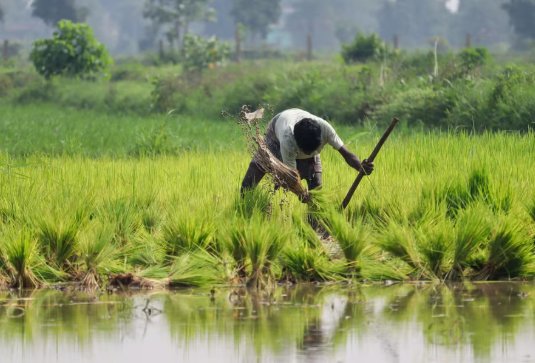
The increase in sowing is significant for the country’s food supply as kharif crops, including rice, pulses, oilseeds, cotton and other major crops, form an important part of agricultural production.
Pulses have seen a particularly encouraging rise in cultivated area. The increase could help strengthen domestic availability and support supplies of an important source of protein for Indian households. However, the final output will depend on crop yields and weather conditions in the coming weeks.
Jute cultivation has also expanded, providing a positive signal for farmers as well as industries that depend on the crop for products such as packaging and textiles.
The overall sowing progress comes amid close attention to monsoon conditions. Adequate rainfall during the remaining crop-growth period will be important for protecting yields and ensuring that the increase in acreage translates into higher production.
A strong kharif season could also support rural incomes and agricultural demand, while better crop availability may help keep food prices stable. The government and farmers will now be watching weather conditions and crop development closely as the season moves towards harvest.
The latest sowing figures underline the importance of the kharif season for India’s rural economy and food security, with higher acreage in key crops offering hope for a healthy agricultural output this year.