


Kathmandu, Sep 1: Nepal is facing a major humanitarian crisis after devastating floods and landslides left more than 1,000 people dead across Nepal and neighbouring Tibet, while thousands remain missing. Rescue teams are continuing search operations in remote areas as authorities work to reach survivors and restore essential services.
Nepal has reported 987 confirmed deaths and 3,916 people still missing, according to the latest figures. More than 11,000 people have been rescued, but the search remains difficult because several roads, bridges and communication links were damaged by the floods.
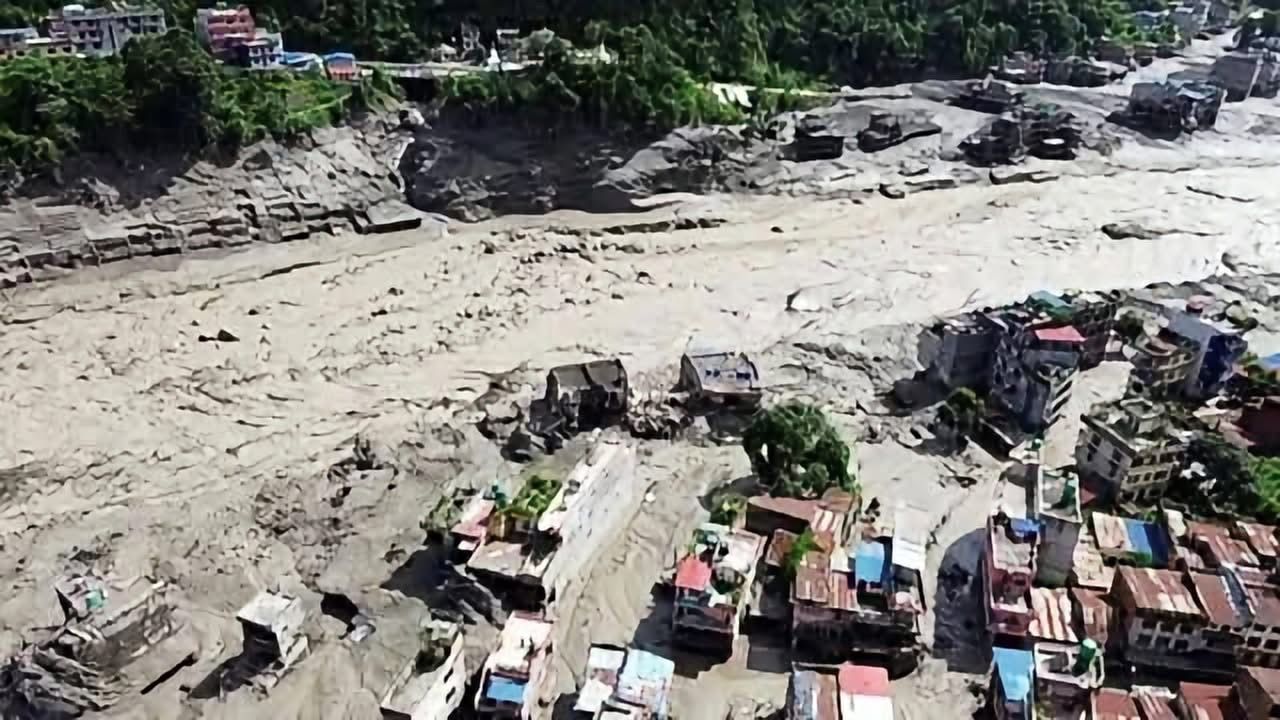
The disaster has particularly affected areas along Himalayan river valleys, where floodwaters and large amounts of mud and debris swept through villages and infrastructure. Several hydropower projects have also been badly hit, with rescue teams working to reach workers believed to be trapped inside tunnels.
The floods were triggered by a glacial collapse in the Himalayas, which released a huge volume of water, rock and debris. The sudden flow left communities with little time to respond and caused extensive damage to homes, roads, bridges and power facilities.
Rescue teams are now working against difficult conditions to locate missing people and recover bodies. Authorities are also trying to identify victims, with families being asked to provide DNA samples where identification has become difficult.
International assistance is supporting Nepal’s rescue and relief operations. Specialised equipment, emergency supplies and technical support have been offered as authorities focus on reaching isolated communities and restoring damaged infrastructure.
For families affected by the disaster, the search for missing relatives remains the biggest concern. Many survivors are also facing shortages of shelter, food, medical assistance and other basic necessities.
The disaster has also highlighted the vulnerability of Himalayan communities to extreme weather and glacier-related risks. The extensive damage to infrastructure is expected to make the recovery process challenging and costly.
For now, rescue operations remain the priority. Authorities are working to reach areas cut off by the floods, locate missing people and provide immediate assistance to survivors as the country begins to assess the full scale of the destruction.