


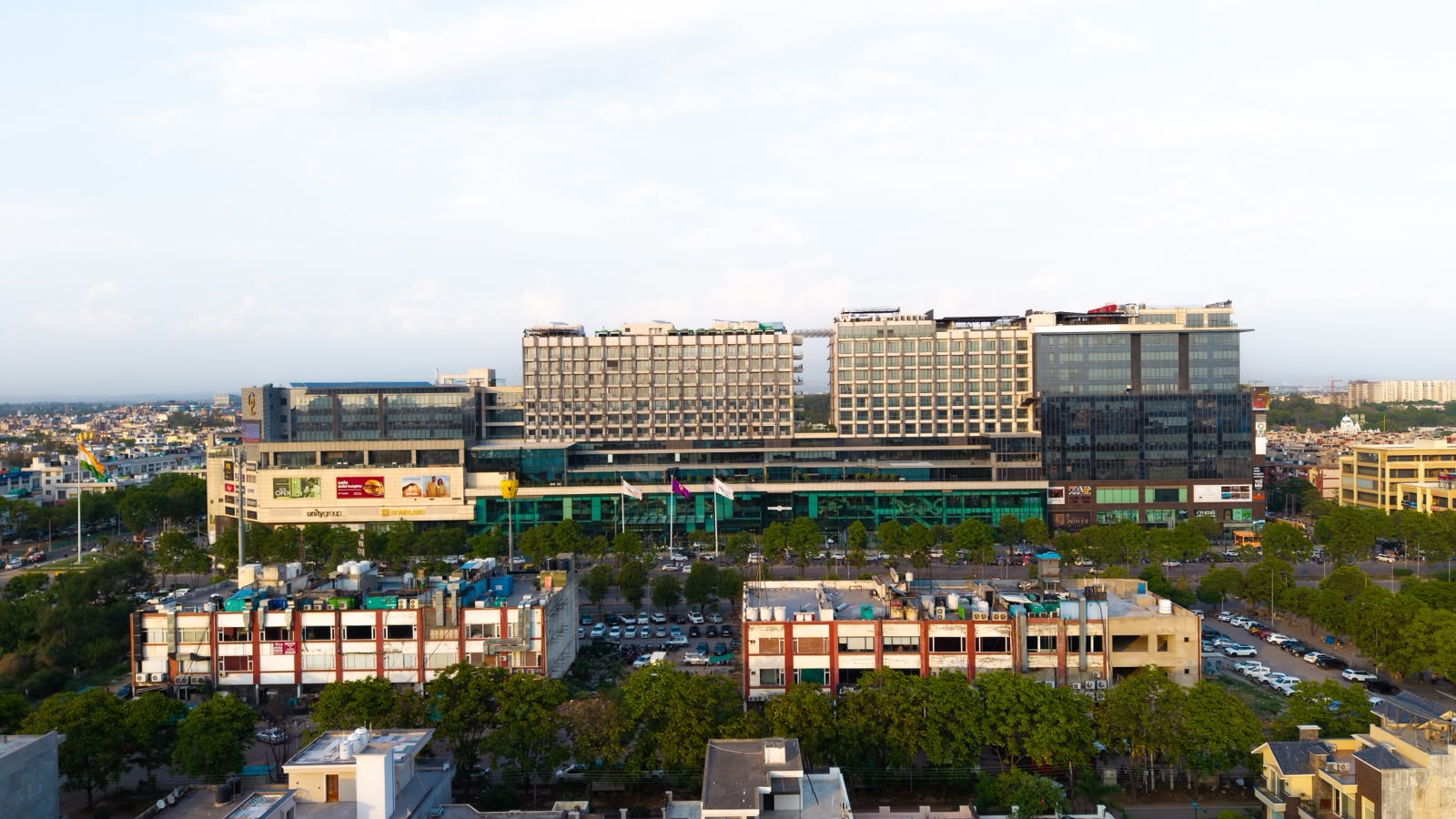
Aug 30: For years, the success of a shopping centre was largely measured by the brands it housed, the sales it generated and the number of visitors it attracted. That equation is changing. Today, consumers are increasingly choosing destinations where they can shop, eat, meet friends, spend time with family and find something to do, often within the same visit.
This is pushing Indian malls to take on a much broader role. They are becoming social destinations, shaped as much by experiences and community activity as by retail.
The shift is backed by changing consumer behaviour. A 2024-25 CBRE and Invest India survey found that more than 70% of consumers across age groups preferred active entertainment experiences, including bowling, play zones, escape rooms and rock climbing. Nearly 90% of respondents were also open to spending up to ₹4,000 a month on experiences.
For mall developers, this has an important implication. Footfall alone is no longer enough. The objective is to give people a reason to stay longer and return more frequently.
This is why the tenant mix is expanding beyond conventional retail. Entertainment zones, food and beverage concepts, gaming arenas, wellness studios, cultural events, workshops, pop-ups and live performances are increasingly becoming part of the shopping centre ecosystem. CBRE has noted that entertainment now accounts for around 13-15% of the tenant mix in many major malls, up from the traditional 10% range.
The more interesting change, however, is happening outside the tenant mix. Malls are beginning to function as places where local communities can gather. A weekend workshop, a fitness session, a children’s activity, a food festival or a live music evening can turn a routine retail visit into a shared social experience.
“People are no longer looking at a mall simply as a place to buy something. They are looking for places that give them a reason to step out, spend time and create memories. The next phase of retail will be about creating environments that feel relevant to everyday life, not just occasions of purchase,” says Mrinaal Mittal, MD, Homeland Group.
This also gives physical retail an advantage that online platforms cannot easily replicate: the ability to bring people together. A digital storefront can offer convenience and choice, but it cannot recreate the spontaneity of meeting friends over coffee, discovering a new activity or attending an event with a community.
India’s retail market is already reflecting this transition. Retail leasing reached a record 8.9 million sq. ft. in 2025, with experiential flagship stores, entertainment and large-format F&B among the forces shaping demand.
The mall of the future, therefore, may look less like a collection of stores and more like a piece of urban social infrastructure. Its success will depend not only on what people can buy there, but on what makes them want to come back even when they have nothing specific to purchase.