


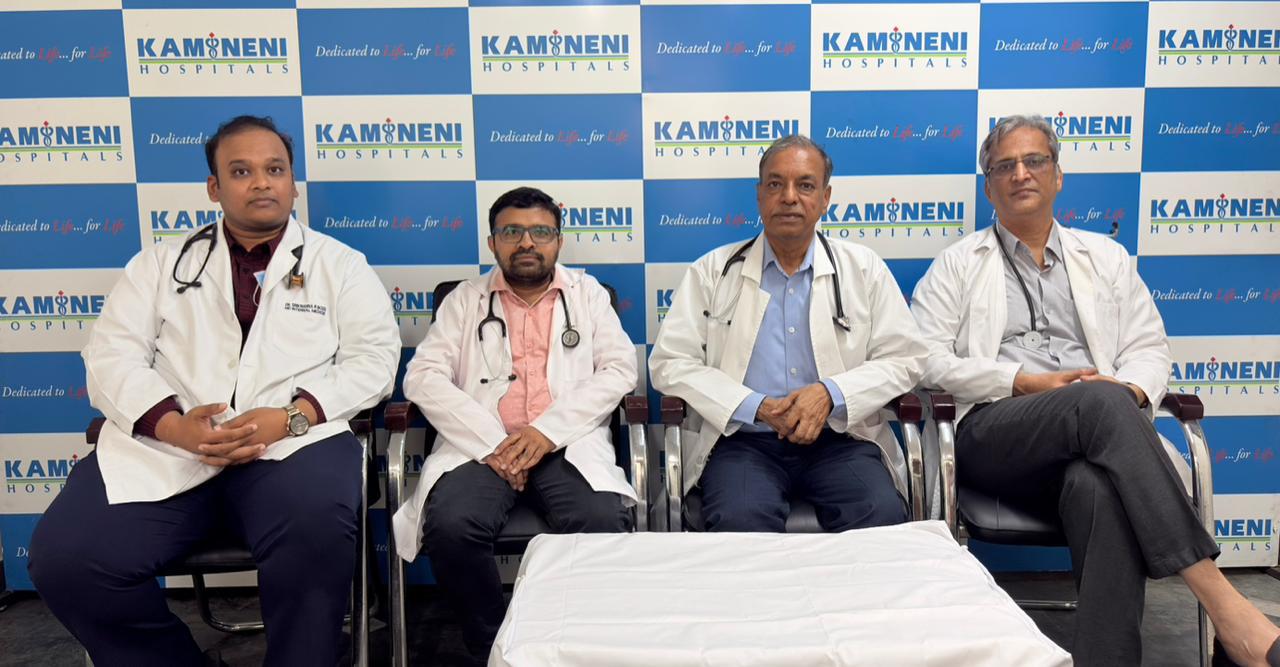
Hyderabad, 27th August 2026: Amid ongoing monsoon conditions and elevated humidity levels, Kamineni Hospitals has reported a notable increase in outpatient consultations across its LB Nagar and King Koti facilities for viral fevers, influenza-like illnesses (ILI), and acute febrile conditions. In response to this seasonal surge, senior physicians and infectious disease specialists at Kamineni Hospitals have issued a clinical advisory urging the public to avoid indiscriminate antibiotic use and seek early laboratory diagnosis for fevers extending beyond 72 hours.
Epidemiological data indicates a positive local trend for vector-borne diseases. Hyderabad recorded 266 dengue cases (127 laboratory-confirmed) between January and mid-July 2026, marking a substantial reduction from 570 cases in 2025 and 821 in 2024. However, clinical experts note that national figures reflect a contrasting surge, with over 33,000 dengue cases and more than 9,000 H1N1 cases recorded across the country year-to-date, alongside an 11% rise in influenza cases compared to July 2025.
Highlighting the clinical challenges of the season, Dr. M. Swamy, HoD & Senior Consultant Physician at Kamineni Hospitals, stated. The positive development is that municipal and community surveillance has kept Hyderabad’s dengue numbers comparatively lower than the past two years. However, this is precisely the period where individuals must exercise maximum caution. Seasonal viral fevers, H1N1 flu, and early-stage dengue present with almost identical symptoms during the first 48 hours. A large number of patients presenting with dengue-like illness are testing negative for vector-borne pathogens and are actually suffering from acute viral infections. Our primary message to families is straightforward: if a fever persists past three days, do not assume it will resolve on its own. Get evaluated with same-day blood tests and refrain entirely from over-the-counter self-medication.”
Dr. Hari Kishan, Sr. Consultant Physician warn that taking over-the-counter antibiotics for self-limiting viral fevers is medically counterproductive, ineffective against viral etiologies, and significantly accelerates antimicrobial resistance. Furthermore, with India having recorded 178 H1N1-related fatalities this year and an anticipated second seasonal flu peak arriving post-monsoon, the hospital advises that the annual influenza vaccine remains an essential preventive measure, particularly for vulnerable demographics.
Dr. Srikrishna Raghavendra Boddu, Consultant Physician, underscored the importance of recognizing warning signs early, “Patients in high-risk categories, including children under five, senior citizens, pregnant women, and individuals managing diabetes, heart conditions, or immunosuppressive disorders, must be monitored closely. Immediate hospital care is mandatory if a patient develops any active bleeding, breathlessness, persistent vomiting, reduced urine output, or pronounced lethargy and confusion. Early clinical intervention prevents avoidable complications.”
High-risk patients, including young children, older adults, pregnant women and those with underlying conditions, need closer monitoring. In dengue, the period when fever starts to subside, typically days 3–7, can be critical. Severe abdominal pain, repeated vomiting, bleeding, breathlessness, reduced urine, drowsiness or confusion require immediate hospital care. For flu, breathlessness, chest pain, bluish lips or confusion are important warning signs that should not be ignored added Dr. D. Pradeep Kumar Patel, Consultant Physician, Kamineni Hospitals.
Kamineni Hospitals urges Hyderabad residents to adopt a synchronized two-track prevention strategy, maintaining strict vector control by clearing stagnant water receptacles weekly to prevent mosquito breeding, alongside disciplined respiratory hygiene, regular handwashing, and mask usage in crowded indoor environments.The hospital’s 24/7 Emergency and Diagnostic departments across Hyderabad remain fully equipped with rapid round-the-clock testing capabilities for comprehensive viral and vector-borne panels.