


How Drone Deliveries and Smart Warehousing Are Reshaping the Next Generation of Supply Chains
Introduction to Modern Logistics
The logistics industry is undergoing a monumental transformation, driven by rapid technological innovation and evolving consumer expectations. Traditionally, logistics relied on ground transportation such as trucks, ships, and railways—methods that, while reliable, often lacked speed, flexibility, and cost efficiency. However, as globalization and e-commerce have accelerated, these traditional systems can no longer meet the demand for rapid, low-cost, and sustainable deliveries.
Modern consumers now expect same-day or even same-hour deliveries, forcing logistics companies to rethink their strategies. Manual warehousing and static storage systems struggle to keep up with this pace, leading to inefficiencies in both time and cost. This has fueled the rise of smart logistics solutions, including drone deliveries and smart warehousing, designed to streamline operations, reduce costs, and elevate service quality in the era of digital transformation.
Understanding Drone Deliveries
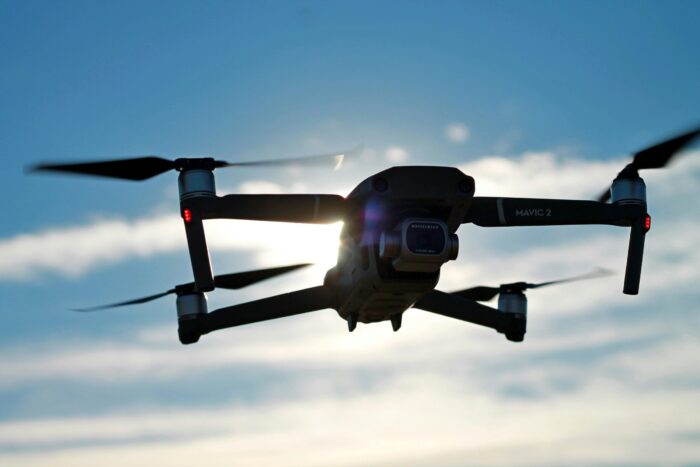
Drone deliveries are reshaping the future of last-mile logistics. Using unmanned aerial vehicles (UAVs), companies can deliver goods directly to consumers in record time. Drones leverage technologies such as GPS navigation, obstacle detection, and AI-based flight automation to ensure safety and efficiency.
Major corporations like Amazon (Prime Air), Walmart, and UPS are leading the way with pilot drone programs that can deliver packages in as little as 30 minutes. Beyond convenience, drones also solve critical accessibility issues by reaching remote and rural areas where traditional delivery trucks may struggle.
The advantages of drone delivery are numerous:
Faster delivery times by bypassing ground traffic.
Lower operational costs, reducing the need for drivers and vehicles.
Eco-friendly operations, as electric drones reduce carbon emissions.
However, challenges persist. Regulatory restrictions, limited payload capacity, and airspace safety remain obstacles to large-scale adoption. Nonetheless, continuous innovation and regulatory evolution are expected to make drone deliveries a mainstream logistics solution within the next decade.
The Advantages of Drone Delivery Systems
The primary advantage of drone delivery systems lies in their speed and efficiency. Drones can travel in direct flight paths, eliminating the delays caused by congested roads and lengthy delivery routes. This capability enables same-day and on-demand deliveries, transforming the customer experience.
Moreover, drones can significantly reduce last-mile delivery costs, which often make up nearly 50% of total shipping expenses. By minimizing dependence on fuel, vehicles, and labor, companies can improve profitability while offering faster and greener delivery services.
Another crucial benefit is accessibility. Drones can operate in areas that lack proper infrastructure, making them invaluable for emergency deliveries, such as medical supplies or disaster relief materials. With sustainability becoming a core business goal, drone deliveries align perfectly with eco-friendly logistics strategies.
Challenges and Limitations of Drone Deliveries
Despite their promise, drone deliveries face several barriers. The foremost challenge is regulatory compliance. Airspace management, safety protocols, and privacy concerns vary across countries, complicating implementation.
Technical limitations also exist—battery life, payload restrictions, and weather dependency can impact drone reliability. Additionally, public concerns about noise pollution, security, and data privacy must be addressed for wider acceptance.
Nonetheless, as governments collaborate with logistics companies to develop unified drone regulations, and as technology advances in energy storage and AI navigation, these challenges are gradually being mitigated.
Introduction to Smart Warehousing
Parallel to drone adoption, smart warehousing is revolutionizing the way goods are stored, managed, and dispatched. This technology-driven approach leverages IoT (Internet of Things), artificial intelligence (AI), and robotics to automate and optimize warehouse operations.
In a smart warehouse, IoT sensors monitor stock levels in real time, AI predicts demand patterns, and robotics handle repetitive tasks like picking and sorting. This integration drastically reduces manual errors, enhances inventory accuracy, and improves order fulfillment speed.
Unlike traditional warehouses dependent on manual tracking and paperwork, smart warehousing introduces an agile, data-driven ecosystem where every item can be tracked, analyzed, and optimized for efficiency.
Key Technologies Driving Smart Warehousing
Several emerging technologies are propelling the rise of smart warehouses:
Automation and Robotics – Automated storage and retrieval systems (AS/RS) and collaborative robots (cobots) increase throughput and minimize human error.
IoT and Real-Time Data – IoT sensors and RFID tags enable real-time inventory tracking and proactive maintenance.
Artificial Intelligence and Machine Learning – AI algorithms optimize warehouse layouts, predict demand, and streamline logistics workflows.
Cloud-Based Analytics – Cloud platforms consolidate warehouse data for improved visibility and decision-making.
These technologies enable companies to improve productivity, minimize costs, and maintain higher accuracy across the supply chain.
Benefits of Smart Warehousing Solutions
Implementing smart warehousing solutions delivers multiple business advantages:
Real-time visibility into inventory and order fulfillment.
Reduced operational costs through automation and predictive analytics.
Improved accuracy, minimizing human error in picking and packing.
Enhanced customer satisfaction with faster and more reliable deliveries.
Scalability, allowing warehouses to adapt to demand surges efficiently.
For example, global retail leaders like Walmart and Alibaba use AI-powered warehouses to process thousands of orders per hour with minimal human intervention—demonstrating the scalability and efficiency of smart warehousing.
The Synergy Between Drone Deliveries and Smart Warehousing
The true potential of modern logistics lies in the synergy between drone deliveries and smart warehousing. Together, they create a seamless, automated ecosystem that reduces delivery times, optimizes routes, and enhances overall customer satisfaction.
Smart warehouses use real-time data analytics to prepare and load shipments efficiently, while drones handle last-mile delivery with precision and speed. This combination enables businesses to achieve end-to-end supply chain automation—from order placement to doorstep delivery—significantly improving agility and reducing costs.
The Future of Logistics: Trends to Watch
As logistics continues to evolve, several trends are shaping its future:
Mainstream drone integration for last-mile and emergency logistics.
AI-powered predictive analytics to optimize demand forecasting and stock management.
Sustainable logistics through electrified fleets and drone-based deliveries.
Fully automated warehouses powered by robotics and IoT connectivity.
Regulatory frameworks are also evolving, paving the way for autonomous logistics ecosystems that combine drones, smart vehicles, and connected warehouses. Companies embracing these trends early will gain a decisive edge in operational efficiency and customer loyalty.
Conclusion
The future of logistics is being redefined by drone deliveries and smart warehousing, two innovations that promise to revolutionize supply chains worldwide. As logistics companies embrace automation, AI, and drone technology, they can achieve faster deliveries, reduced costs, and more sustainable operations.
In an era where speed, accuracy, and sustainability drive success, embracing drone deliveries and smart warehousing is not just a trend—it’s the cornerstone of a smarter, more connected logistics future.