


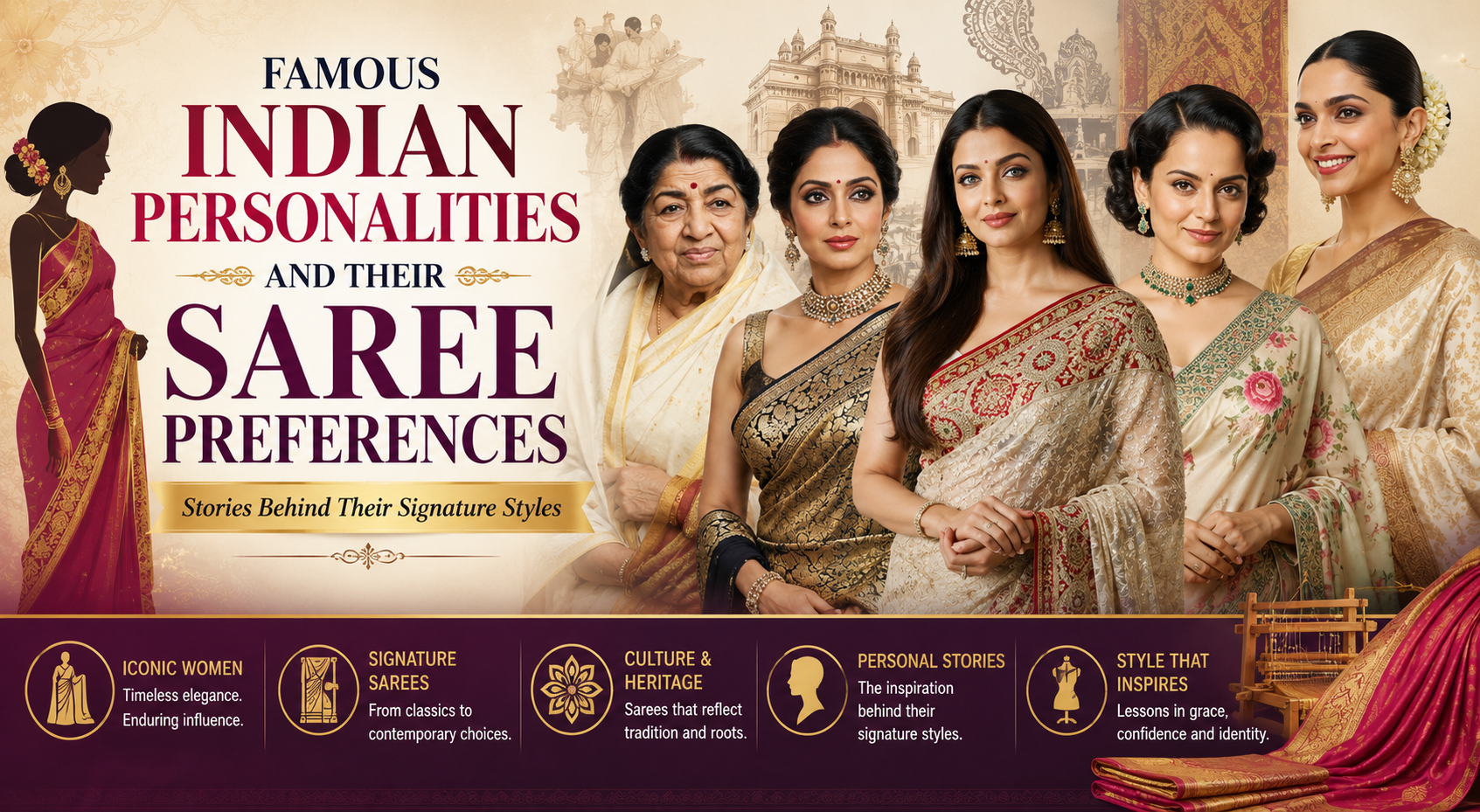
Aug 20: For some Indian personalities, the saree is more than a fashion choice—it is part of their identity. From simple cotton sarees and regional handlooms to luxurious silks and contemporary designer creations, the way a public figure wears a saree can say a great deal about their personal style and connection with Indian culture.
Over the years, several famous Indian personalities have developed recognisable saree styles. Their choices have also brought attention to India’s diverse weaving traditions, from handloom cottons to celebrated silk sarees.
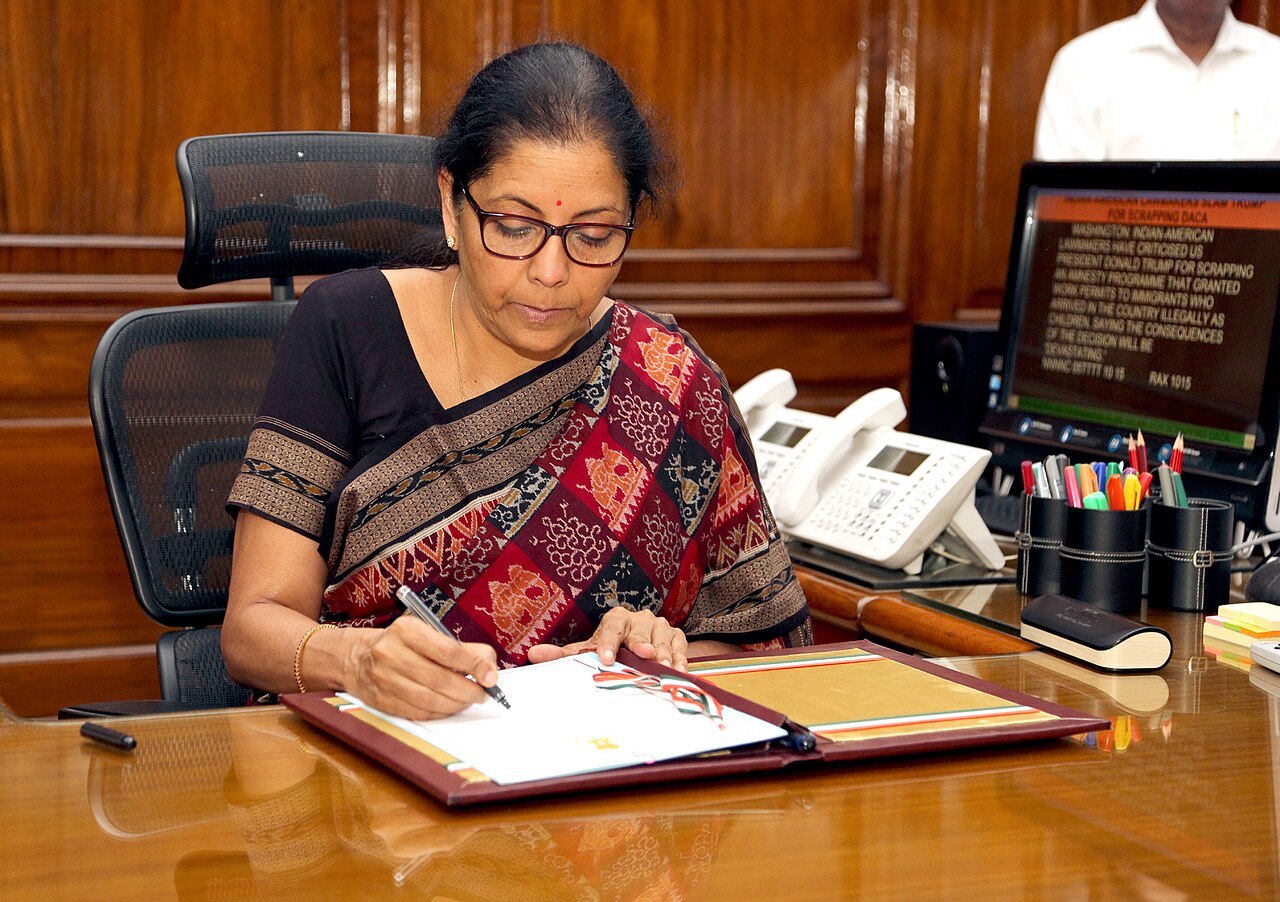
Nirmala Sitharaman: Regional Weaves With a Professional Identity
Union Finance Minister Nirmala Sitharaman is among the most recognisable public figures associated with Indian handloom sarees.
Her public appearances have frequently featured sarees representing different regional textile traditions. She has worn handlooms associated with regions including Tamil Nadu, Odisha and West Bengal, bringing attention to India’s enormous variety of weaving techniques and fabrics.
Her saree choices combine professional elegance with a strong connection to Indian craftsmanship. Rather than following one fixed fashion formula, her wardrobe often highlights the diversity of India’s regional textiles.
This has made her saree appearances particularly interesting to those who follow Indian handloom and fashion.
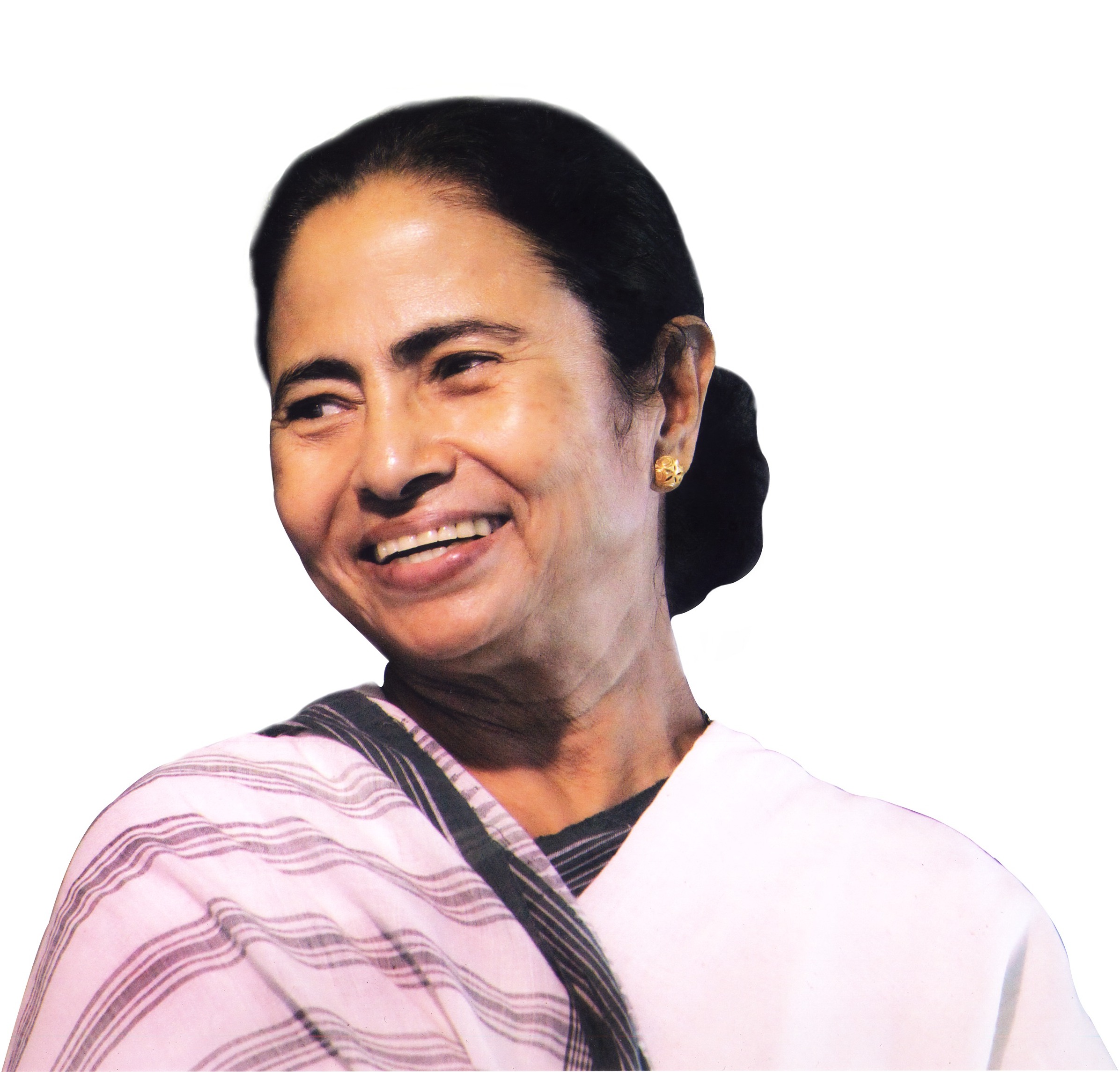
Mamata Banerjee: The Signature White Cotton Saree
Former West Bengal Chief Minister Mamata Banerjee has one of the most recognisable saree styles in Indian public life.
She is frequently seen in simple white cotton sarees, often featuring a coloured border. The style is practical and understated, but its consistency has made it an important part of her public image.
Unlike elaborate celebrity fashion, her saree choices demonstrate how simplicity can itself become a signature.
The white cotton saree associated with her appearance also reflects the long-standing popularity of lightweight cottons in Bengal.
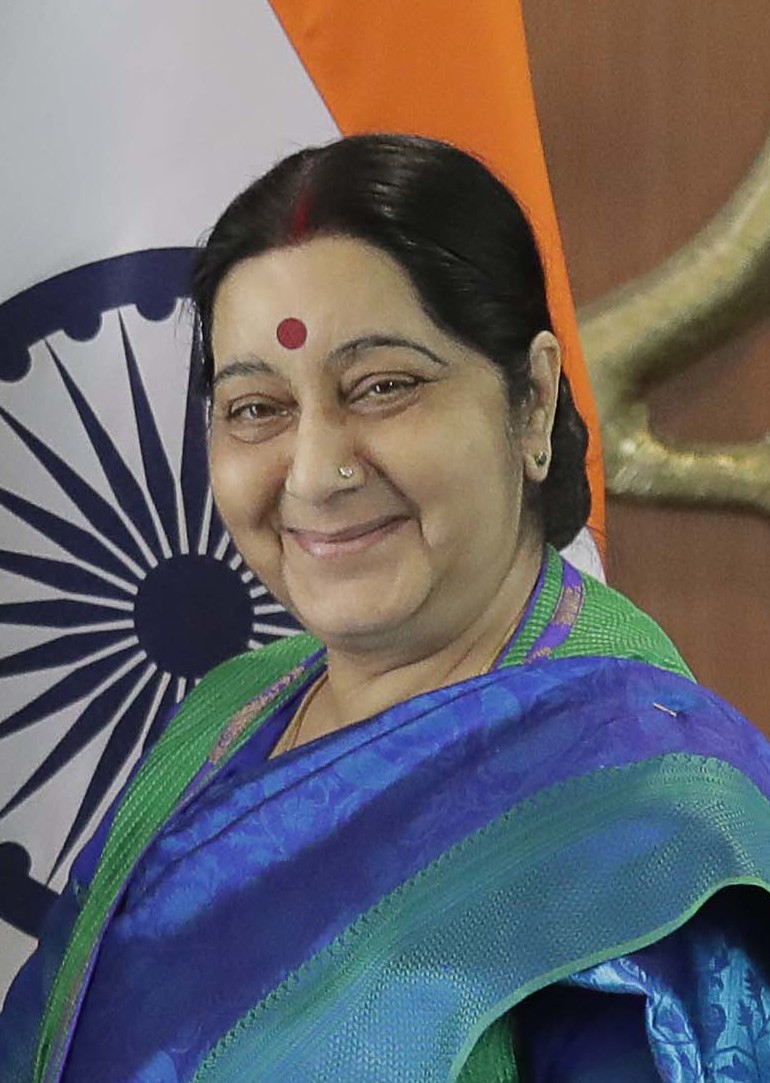
Sushma Swaraj: Traditional Sarees and a Distinctive Look
Former External Affairs Minister Sushma Swaraj was known for her distinctly Indian appearance.
Sarees were a central part of her public wardrobe, often styled with a bindi and traditional jewellery. Her appearance generally favoured classic Indian aesthetics rather than constantly changing fashion trends.
Over time, this consistency helped make her saree-and-bindi combination part of her recognisable public persona.
Her style illustrates how traditional Indian clothing can project both cultural identity and authority in professional settings.
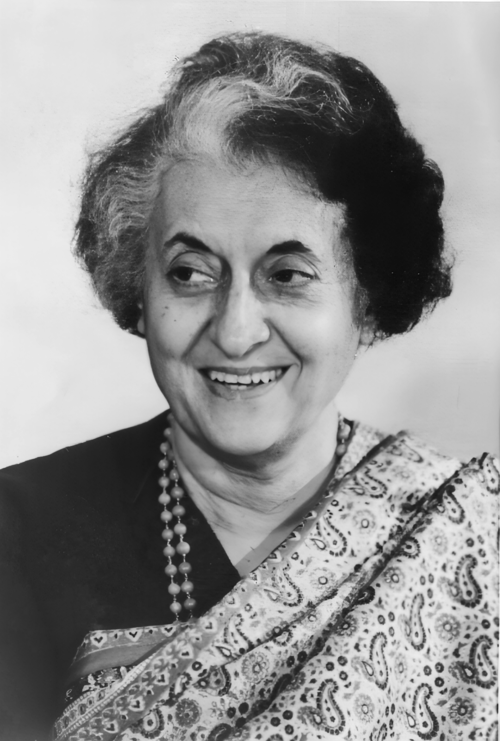
Indira Gandhi: Understated Indian Elegance
Former Prime Minister Indira Gandhi was another major public figure whose image was closely associated with the saree.
Her style generally leaned towards understated and practical sarees rather than heavily embellished outfits. Traditional Indian fabrics and relatively simple designs suited both her political responsibilities and public appearances.
The simplicity of her wardrobe became an important part of her visual identity.
For many Indians, photographs of Gandhi in sarees remain closely connected with an era when the garment was increasingly becoming a defining element of women’s public and professional attire.
J. Jayalalithaa: The Signature Green Saree
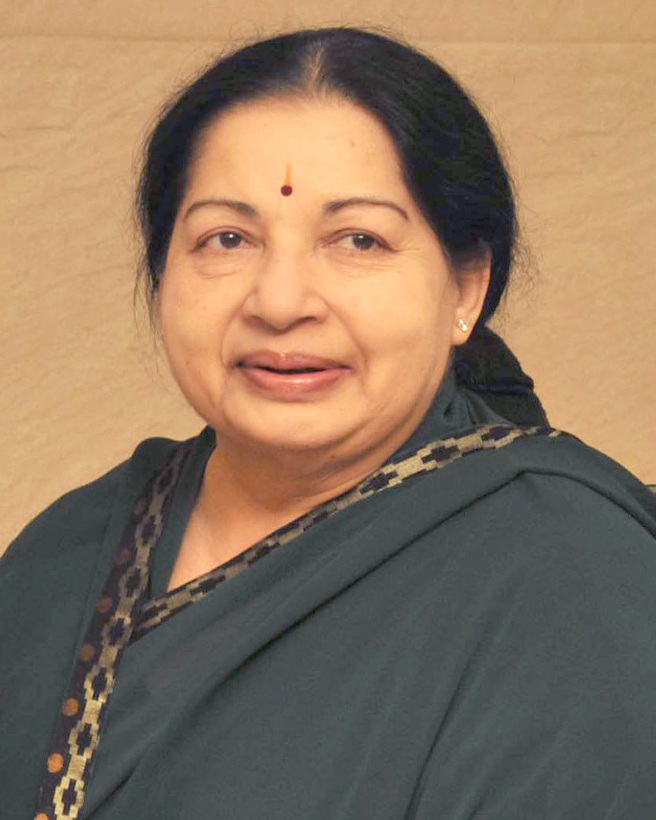
Former Tamil Nadu Chief Minister J. Jayalalithaa was particularly associated with her striking green silk sarees, which became one of the most recognisable elements of her public appearance. She often paired the rich-coloured sarees with traditional jewellery, creating a look that was elegant, composed and distinctly Indian.
Her saree choices frequently reflected the richness of South Indian silk traditions, with colours ranging from deep green to other vibrant shades. The green saree, however, became especially memorable and was often associated with her powerful political persona.
For Jayalalithaa, the saree was more than formal attire. It became part of the visual identity she built over decades in public life—combining traditional elegance, authority and simplicity. Her signature style continues to be remembered as an important part of the image of “Amma.”
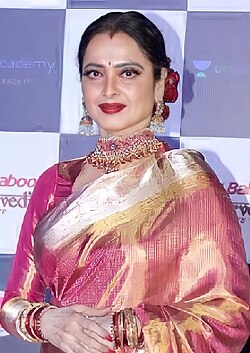
Rekha: The Timeless Appeal of Silk
When it comes to Indian cinema and saree fashion, veteran actress Rekha remains one of the most recognisable names.
Her appearances are strongly associated with rich silk sarees, particularly Kanjeevaram-style designs, traditional jewellery and classic Indian styling.
Gold jewellery, dramatic colours and carefully styled hair often complete the look, creating a combination of traditional South Indian aesthetics and Bollywood glamour.
Rekha’s enduring saree style demonstrates how a traditional textile can become a powerful fashion statement without losing its cultural character.
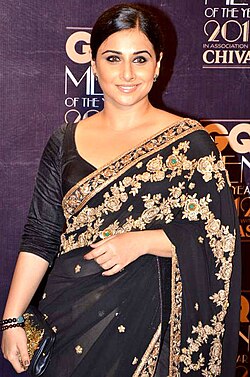
Vidya Balan: A Strong Connection With Indian Textiles
Actress Vidya Balan has frequently embraced sarees as an important part of her fashion identity.
Her public appearances have featured handloom sarees, silk, cotton and other Indian textiles. She often allows the fabric and weave to remain the centre of attention, using relatively restrained accessories and styling.
Her approach has also helped reinforce the idea that a saree does not have to be reserved for weddings and traditional celebrations.
A handloom saree can work just as effectively for a film event, professional appearance or fashion gathering.
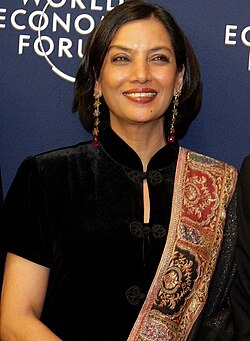
Shabana Azmi: Elegance Without Excess
Veteran actress Shabana Azmi has long been associated with an elegant and understated approach to Indian fashion.
Her saree appearances often focus on the fabric, colour and drape rather than excessive embellishment.
This creates a sophisticated aesthetic that demonstrates how the saree can make a strong impression without elaborate styling.
Her approach is also a reminder that timeless fashion often depends more on confidence and simplicity than on constantly changing trends.

Deepika Padukone: Traditional Silhouettes, Modern Styling
Deepika Padukone represents a younger generation of Indian celebrities who have experimented with the saree while retaining its traditional silhouette.
Her saree appearances have ranged from classic silk designs to contemporary designer creations. Modern blouses, statement jewellery and minimalist accessories have been used to give traditional drapes a more contemporary character.
This combination of old and new reflects how younger audiences are discovering different ways to wear the saree.
The garment remains recognisable, but its styling continues to evolve.

Priyanka Chopra Jonas: Bringing the Saree to Global Audiences
Priyanka Chopra Jonas has frequently incorporated Indian fashion into international appearances.
Her saree looks have included traditional-inspired designs as well as contemporary creations featuring modern draping and styling.
For a celebrity with a global audience, the saree can also become a way of introducing Indian fashion to international platforms.
Her appearances illustrate how the garment can be adapted for global fashion settings while maintaining its cultural identity.
The Stories Behind the Sarees
The saree preferences of famous Indian personalities show just how differently the same garment can be interpreted.
A simple white cotton saree creates a very different impression from a richly woven silk. A regional handloom can communicate a connection to craftsmanship, while a contemporary designer saree can represent experimentation and modern fashion.
This flexibility is one of the reasons the saree has remained relevant across generations.
For public personalities, it can also become a visual extension of their identity.
India’s Regional Weaves Add Another Layer
India’s saree tradition is deeply connected with regional craftsmanship.
Kanjeevaram silk is associated with Tamil Nadu, Banarasi silk with Varanasi, Chanderi with Madhya Pradesh and Sambalpuri textiles with Odisha, while Bengal has a rich tradition of cotton and silk weaving.
Each textile carries its own history, motifs, techniques and cultural associations.
When prominent personalities choose regional textiles, they can help bring greater visibility to these traditions and the artisans behind them.
The appeal is therefore not only about fashion. It is also about India’s textile heritage.
Why Saree Preferences Become Part of a Public Image
Clothing becomes particularly powerful when it is consistent.
When a public figure repeatedly chooses a particular style, fabric or silhouette, audiences begin to associate that look with the individual.
Mamata Banerjee’s simple cotton sarees, Rekha’s rich silk ensembles and Nirmala Sitharaman’s regional handlooms illustrate different ways in which saree choices can become part of a recognisable identity.
In this sense, the saree can function almost like a visual signature.
The Saree Continues to Evolve
The saree has remained relevant because it is remarkably adaptable.
It can be worn traditionally for weddings and festivals, styled simply for professional settings or redesigned for international red carpets.
Contemporary designers are experimenting with fabrics, pleating, draping techniques and blouse designs, while celebrities are introducing the garment to younger audiences through modern styling.
At the same time, the growing interest in handloom and sustainable fashion has renewed attention on traditional Indian textiles.
More Than a Fashion Statement
The saree preferences of famous Indian personalities reveal stories about fashion, culture and individuality.
For some, the garment represents simplicity and practicality. For others, it represents regional roots, craftsmanship, glamour or experimentation.
What connects them is the saree’s remarkable ability to accommodate different personalities while retaining its Indian identity.
From political stages to Bollywood events and international fashion platforms, the saree continues to evolve without losing its place in Indian culture.
Ultimately, the saree is not simply a garment. It is a canvas for personality, heritage and self-expression—and the women who wear it often give that story a style of its own.
Photo Credit: Wikipedia