


ST. LEO, Fla., August 20: Saint Leo University is entering the 2026–27 academic year with expanded academic programs, new student resources, and a continued focus on becoming the region’s most workforce-oriented university.
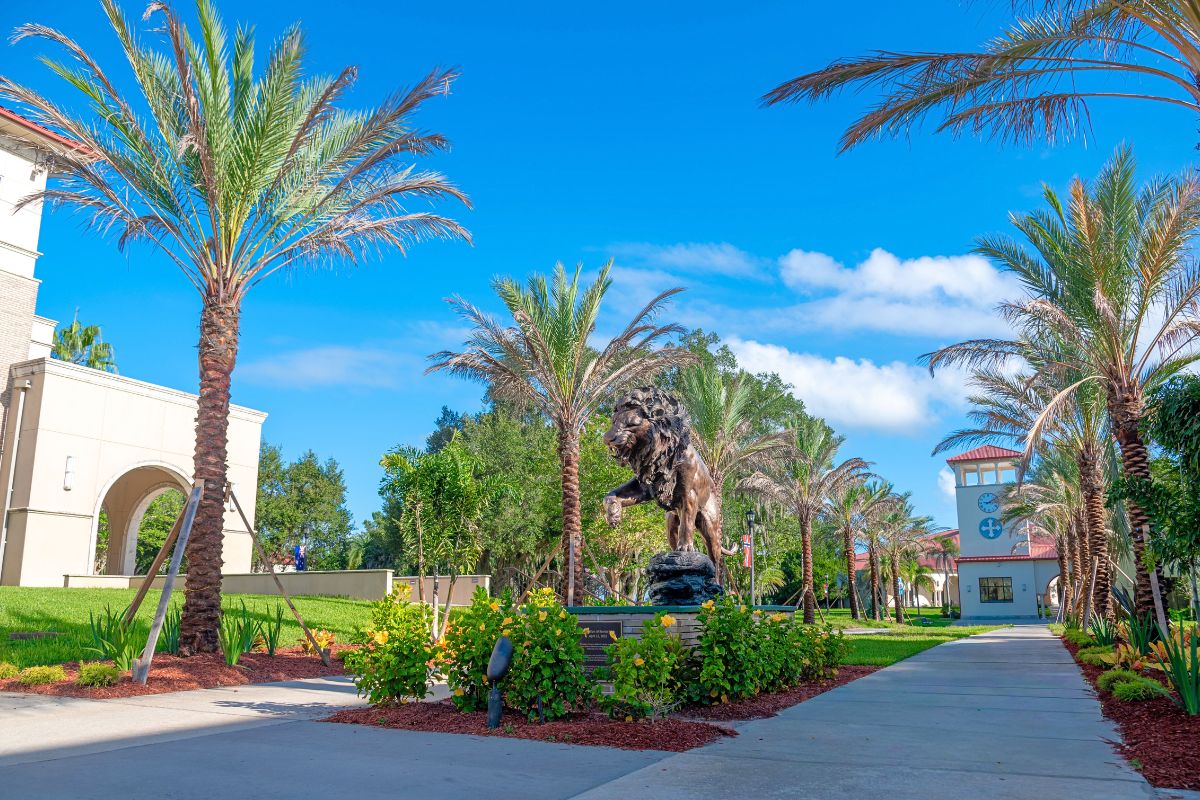
“After almost one year serving this community, I am encouraged by the progress we are making and the momentum building across Saint Leo University,” said Dr. Jim Burkee, university president. “As we begin a new academic year, our focus is clear: We are preparing students not just for their first job, but for the future of work. We are developing the next generation of leaders, who bring our core values and ethics to every challenge.”
Nearly 850 new students will begin the fall semester at Saint Leo’s residential campus, with the majority moving into residence halls on Friday, August 21. Classes begin Monday, August 24, at University Campus, online, and at Saint Leo’s education centers, including Pasco-Hernando State College, the MacDill Education Office, and the Savannah, Georgia, and Key West locations.
Academic Innovation
For the 2026–27 academic year, Saint Leo University is introducing new undergraduate and graduate programs in health care, technology, business, criminal justice, education, and ministry. The new offerings, along with revamped experiential learning opportunities, are designed to prepare students for high-demand careers and meet the changing needs of employers.
The university recently received $1.8 million in state funding to expand its cybersecurity and nursing programs. Dewey and Becky Mitchell donated $1 million to launch the Derek J. Mitchell Collegiate Recovery Program, which currently is accepting applicants with the first cohort expected to begin in spring 2027. Arnie and Lauren Bellini donated $2 million to develop an accelerated graduate program designed to prepare executives for leadership roles in cybersecurity, also planned for spring 2027.
“At the heart of everything we do is a commitment to helping students thrive in a work environment that looks nothing like it did even five years ago,” said Dr. Bryan DePoy, Saint Leo University‘s provost and vice president of academic affairs. “We’re strengthening the programs our students already count on while introducing new ones, bringing emerging technologies into the classroom, and reimagining what experiential learning looks like from day one of a student’s time at Saint Leo University.”
New academic programs for 2026–27 include:
College of Arts, Sciences, and Allied Services
- The college is introducing a new Bachelor of Arts in Medical Humanities with a Pre-DPT concentration and a new Master of Education in Exceptional Student Education: Autism Spectrum Disorder Practices and Intervention.
- Saint Leo also is expanding its forensic science education through a forensics specialization within the Bachelor of Arts in Criminology and a new Doctor of Criminal Justice in Forensic Science.
- A new online Graduate Certificate in Pneumatology and Renewal Leadership provides additional opportunities for graduate-level study in ministry and theology.
College of Health Sciences
- The new Direct Entry Master of Science in Nursing offers a hybrid format for career changers holding a non-nursing bachelor’s degree.
- New degree programs include a Bachelor of Science in Exercise and Sport Science and an asynchronous online Master of Social Work.
- A Doctor of Social Work is planned for spring 2027, pending approval by the Southern Association of Colleges and Schools Commission on Colleges.
Tapia College of Business and Technology
- The newly merged Tapia College of Business and Technology is expanding its offerings with a new Bachelor of Science in Business Analytics, a Bachelor of Science in Finance, and a minor in artificial intelligence .
- Other new programs include advanced MBA Advantage tracks in finance and economics, as well as a Master of Science in Applied Business and Leadership degree that can be applied toward Saint Leo’s existing Doctor of Business Administration.
- A new Cybersecurity Executive Track is planned to launch in spring 2027.
Connecting Classroom Learning to Careers
As employers increasingly seek AI and digital skills, Saint Leo is putting its university-wide AI training initiative into practice this fall in partnership with IBM. AI and digital fluency training through IBM SkillsBuild is being embedded in every academic program. Saint Leo aims to become the first university in the nation to fully integrate the SkillsBuild platform across all areas of study.
The university also is expanding experiential learning through internships, externships, clinical experiences, and employer partnerships, giving students opportunities to apply classroom learning in professional settings.
“We’re also rethinking how we support students beyond the classroom,” DePoy said. “Plans are underway to bring career services, workforce engagement, and academic advising together into one integrated model, so students get consistent guidance connecting what they’re learning to where they’re headed.”
Beyond the Classroom
That focus on connecting learning to students‘ goals extends throughout the Saint Leo experience. The university continues to invest in campus spaces, resources, and programs that foster student engagement, strengthen connections, and support students from their first day through graduation.
LEO 360, a centralized hub for student-facing services, brings together academic advising, accessibility services, career and workforce engagement, the registrar, and student financial services in one convenient location. Other improvements for 2026–27 include new gathering spaces, a new campus store, and enhanced dining options.
Together, these initiatives reflect Saint Leo’s Catholic Benedictine mission of educating the whole person while preparing graduates to become ethical leaders, critical thinkers, and professionals ready to contribute to their communities and succeed in a changing world.