


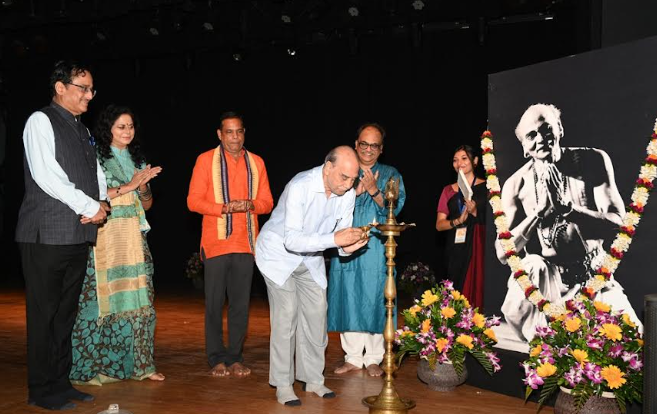
Odissi, Odisha’s classical dance of grace and devotion, is more than an art form—it is a living chronicle of the region’s spiritual and cultural heritage. From the sacred precincts of the Jagannath Temple in Puri to stages across the world, Odissi narrates stories of divine love, mythology, and human emotion. Anchored in centuries of tradition and elevated by visionaries like Padma Vibhushan Guru Kelucharan Mahapatra, this exquisite dance continues to inspire, evolve, and captivate audiences globally.

A Dance Born of Devotion
Odissi’s roots run deep in the temples of Odisha, where dance was not merely entertainment but a form of spiritual offering. Historically performed at the Jagannath Temple in Puri, it emerged as a medium to honor the divine, particularly through intricate storytelling of Lord Krishna and Radha. The temple dancers, or Maharis, were women dedicated to performing for the deities, considered the “wives” of God, while Gotipuas, young boys dressed as girls, ensured the continuity of the tradition when social restrictions limited female public performances.
This devotional origin is reflected in Odissi’s signature movements and expressive storytelling. From the Tribhanga posture, with its three elegant bends at the head, torso, and knee, to the powerful Chauka stance symbolizing balance and strength, every gesture carries spiritual significance. Through mudras (hand gestures), abhinaya (facial expressions), and nritta (pure dance sequences), Odissi conveys complex emotions and mythological narratives, making each performance a visual and spiritual feast.
The Masters Behind the Art
Guru Kelucharan Mahapatra: The Father of Modern Odissi
Guru Kelucharan Mahapatra (1926–2004) transformed Odissi from a sacred temple ritual into a globally recognized classical art form. A visionary performer and teacher, he developed a structured pedagogy that preserved the spiritual essence of Odissi while making it accessible to broader audiences. His meticulous approach emphasized body alignment, hand gestures, and facial expressions, ensuring that every dancer truly embodied the soul of the art.
Collaborating with luminaries like Sanjukta Panigrahi and Kumkum Mohanty, Guru Mahapatra created choreographies that honored tradition while embracing contemporary aesthetics. His dedication positioned Odissi prominently within India’s national cultural narrative and on international stages, earning him a legacy that continues to inspire generations of dancers.
Saswat Joshi: Carrying the Torch Forward
Among contemporary exponents, Saswat Joshi stands out for his commitment to preserving and propagating Odissi worldwide. Through mesmerizing performances and global workshops, he has introduced Odissi to diverse audiences, bridging traditional storytelling with modern perspectives.
As founder of the LasyaKala Institute and organizer of the Aekalavya Dance Festival, Joshi nurtures young talent and ensures the continuity of Odissi for future generations. His vision reflects a delicate balance of honoring tradition while keeping the dance relevant in today’s artistic landscape.
Odisha’s Rich Tapestry of Dance
Odissi may be the crown jewel of Odisha’s dance heritage, but the state boasts a vibrant array of styles. Mahari dance, performed by temple dancers, and Gotipua dance, featuring young boys in female attire, highlight devotion and storytelling. Chhau dance, with its martial energy and elaborate masks, connects tribal traditions to mythology, while folk dances like Dalkhai and Rasarkeli celebrate rural life and agricultural festivals. Together, these forms showcase the diversity and depth of Odisha’s artistic expression.
Global Reach and Cultural Diplomacy
Today, Odissi is no longer confined to temple courtyards or regional stages. It is celebrated at international festivals, taught in academies worldwide, and integrated into cross-cultural collaborations. By blending classical techniques with contemporary interpretations, dancers ensure that Odissi resonates with global audiences while maintaining its spiritual core.
Workshops, performances, and educational initiatives foster cultural exchange, making Odissi a vehicle of diplomacy and mutual understanding. Its international appeal underscores the power of traditional arts to transcend boundaries, connect communities, and tell stories that are universally human.
Philosophy and Aesthetic Brilliance
At its core, Odissi is a meditation in motion. Its choreography harmonizes technical precision, expressive storytelling, and spiritual engagement. Each movement, costume, and musical rhythm is carefully designed to evoke emotion, narrate myth, and create a shared experience between performer and audience. The Tribhanga and Chauka postures, the intricate footwork, and the expressive abhinaya combine to create a multidimensional narrative that celebrates devotion, love, and artistry.
Challenges and Opportunities
Like many classical art forms, Odissi faces challenges from globalization, shifting audience interests, and competition from digital entertainment. Yet these challenges also open doors for innovation. Online platforms, cross-disciplinary collaborations, and modern reinterpretations can introduce Odissi to younger, international audiences while preserving its traditional essence. Community support, educational programs, and dedicated gurus remain vital to sustaining its legacy.
Conclusion: A Timeless Dance
Odissi is more than a dance—it is a story of devotion, culture, and continuity. It bridges the sacred and the artistic, the ancient and the contemporary, captivating audiences with its beauty, emotion, and spiritual depth. Thanks to visionaries like Guru Kelucharan Mahapatra and torchbearers like Saswat Joshi, Odissi continues to flourish on global stages, inspiring future generations to honor and evolve this timeless art form.
Odissi’s story is ongoing, a dance that celebrates the richness of Odisha’s heritage while inviting the world to witness its grace, passion, and devotion.