


Bhubaneswar, Aug. 7 (UDN): Every year on August 7, India celebrates National Handloom Day to honour the country’s rich handloom heritage and the millions of artisans who have preserved this timeless tradition for generations. The day also commemorates the launch of the Swadeshi Movement on August 7, 1905, when the use of indigenous products became a symbol of self-reliance and India’s struggle against colonial rule.
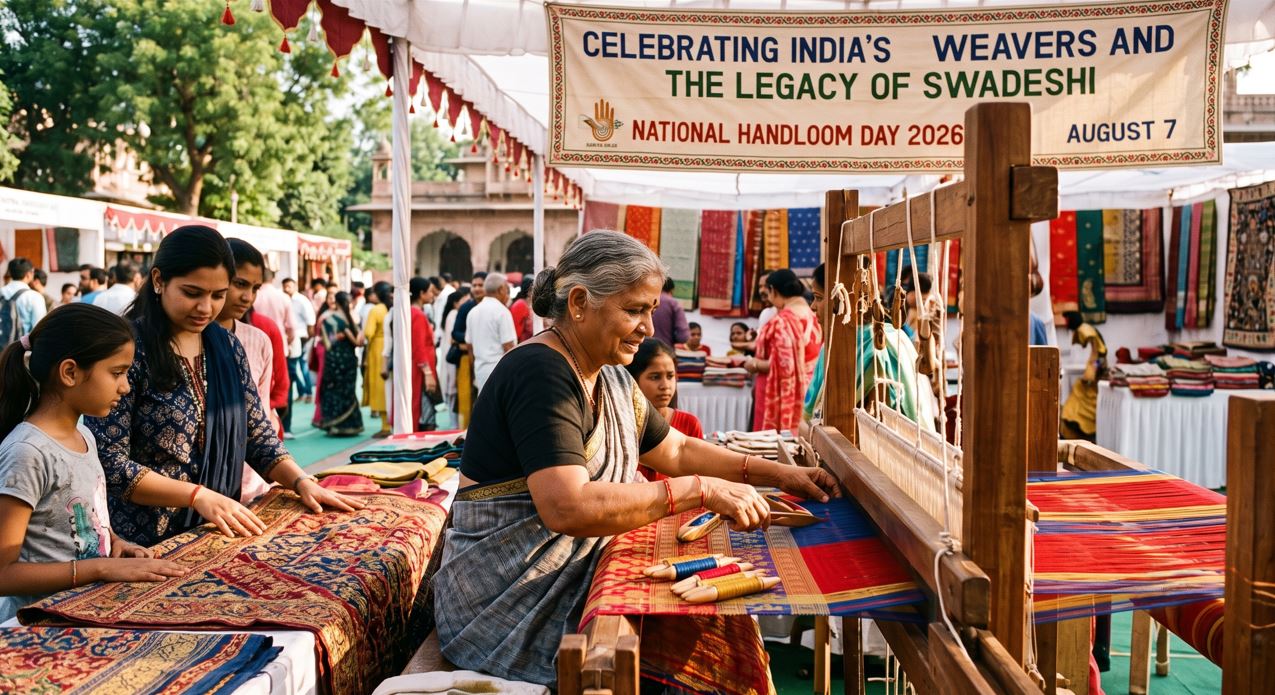
Representational Image
Today, the handloom sector continues to be one of the country’s largest cottage industries, supporting the livelihoods of over 35 lakh handloom weavers and allied workers. Beyond its economic contribution, the sector represents India’s cultural identity, craftsmanship and commitment to sustainable textile production. Notably, women account for more than 72 per cent of the handloom workforce, making the industry a significant driver of rural employment and women’s empowerment.
A Legacy Woven Through Generations
National Handloom Day was officially introduced by the Government of India in 2015 to recognise the contribution of handloom artisans and promote awareness about India’s diverse weaving traditions. From the delicate Jamdani of Bengal and vibrant Ikat of Telangana to the iconic silk weaves of Varanasi, every region of the country showcases a unique textile heritage that reflects centuries of skill and artistry.
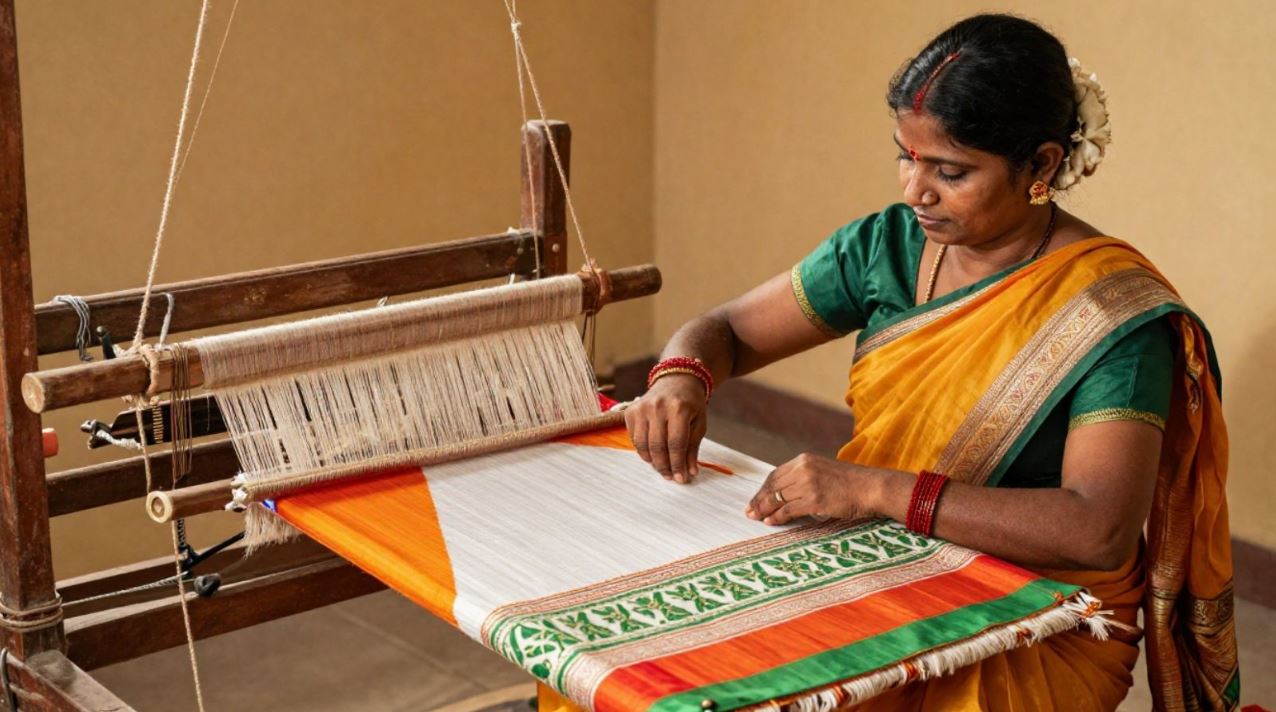
Representational Image
Challenges Confronting the Handloom Sector
Despite its cultural and economic significance, India’s handloom industry faces several challenges. Cheap machine-made imitations produced by power looms continue to undercut authentic handwoven products, affecting the income of traditional weavers.
The industry is also witnessing a gradual decline in young artisans entering the profession. Rising raw material costs, increasing production expenses, higher electricity tariffs and comparatively low earnings have discouraged many from continuing their family weaving traditions.
As a result, several intricate weaving techniques that require years of expertise are now at risk of disappearing.
A Future Driven by Sustainability and Innovation
Even as challenges persist, the handloom sector is finding new opportunities through digital commerce, global exports and sustainable fashion.
Government initiatives and online marketplaces are helping artisans connect directly with buyers across India and abroad. During 2025-26, India’s handloom exports reached around ₹1,330.96 crore, with major markets including the United States, the United Arab Emirates and several European countries.
At the same time, sustainable fashion brands are increasingly embracing handloom fabrics, repurposing textile remnants and promoting eco-friendly, slow-fashion practices. This growing demand is creating fresh opportunities for artisans while preserving traditional weaving techniques for future generations.
More Than a Fabric—A Symbol of India’s Heritage
National Handloom Day is not merely a celebration of handcrafted textiles; it is a tribute to the resilience, creativity and dedication of millions of weavers who continue to keep India’s rich textile traditions alive. As consumers increasingly value sustainability and authentic craftsmanship, supporting handloom products is not only a step towards preserving cultural heritage but also an investment in the livelihoods of rural artisans and the future of India’s weaving legacy.