


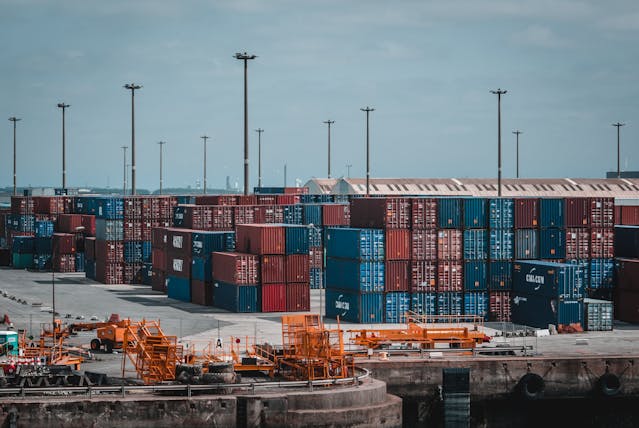
Global supply chains have evolved from a back-end operational concern to a front-line strategic priority. Events like the COVID-19 pandemic, extreme weather, geopolitical tensions, and rapid technological shifts have exposed the vulnerabilities of traditional supply chains, emphasising the urgent need for organisations to rethink their strategies. While many companies claim their supply chains are resilient, true preparedness for the next major global disruption remains limited.
From Efficiency to Resilience
For decades, supply chains prioritised lean operations and cost efficiency, often relying heavily on single regions—China being the most prominent example—for manufacturing. Today, the paradigm is shifting toward resilience. Organisations are embracing diversified, flexible networks capable of withstanding shocks while maintaining competitiveness.
This “great supply chain reset” is fueled by the understanding that disruption is no longer an exception—it’s the new normal. Yet, research shows a gap between perception and reality: while 80% of executives describe their supply chains as “very resilient,” only 4% plan to increase resilience budgets. Many companies appear overconfident, focused on short-term savings rather than long-term structural stability.
Key Strategies for Building Resilient Supply Chains
Companies adopting forward-looking strategies are taking several approaches to future-proof their operations:
-
Diversification and Regionalisation: Reducing reliance on single suppliers or countries through “China +1” strategies, nearshoring, or reshoring production closer to end markets.
-
End-to-End Visibility: Implementing real-time tracking, control towers, and integrated data platforms to anticipate disruptions and make informed decisions.
-
Technology Integration: Leveraging AI, machine learning, IoT, and digital twins for predictive analytics, automation, and scenario planning.
-
Strategic Inventory Management: Maintaining safety stocks and material buffers for critical components instead of minimising inventory entirely.
-
Strengthened Supplier Relationships: Collaborating with suppliers on value creation and data-sharing to ensure priority access during disruptions.
Persistent Challenges
Even with these strategies, companies face significant hurdles:
-
Geopolitical Risks: Trade wars, tariffs, and regional conflicts complicate sourcing strategies.
-
Talent and Culture Gaps: Organizations often lack staff skilled in advanced technologies or fail to embed resilience as a cultural priority.
-
Data Quality and Integration: Advanced analytics and AI are only as effective as the quality and integration of data, which remains a challenge for many organizations.
The Forces Driving Change
Experts identify four major forces reshaping supply chains:
-
Economic Policy: Constant adaptation is required to navigate trade agreements, tariffs, and regulatory shifts.
-
Consumer and Investor Expectations: ESG compliance, ethical sourcing, and fair trade considerations increasingly influence purchasing and investment decisions.
-
Emerging Technologies: Automation, AI, blockchain, and 3D printing reduce dependency on low-cost labor and enable production closer to consumption points.
-
The Drive for Resilience: Organizations now view resilience as a strategic imperative, prioritizing structural flexibility over short-term efficiency.
Recommendations for Future-Ready Organizations
To navigate these pressures successfully, companies must take a proactive, holistic approach:
-
Commit to Operational Excellence: Define clear metrics for end-to-end performance and build structures that balance efficiency with responsiveness.
-
Invest in Talent and Learning Culture: Promote skill development, encourage experimentation, and foster cross-functional collaboration.
-
Leverage Data and AI: Replace assumptions with predictive analytics, scenario simulations, and data-driven inventory planning.
-
Stress-Test Supply Chains: Conduct scenario planning to uncover vulnerabilities and make informed strategic adjustments before crises strike.
The Shipping and Logistics Angle
Shipping and logistics often bear the first impact of supply chain disruptions. Challenges include:
-
Delayed deliveries and extended lead times
-
Rising shipping costs due to container and vessel shortages
-
Inventory shortages and halted production
-
Route diversions and higher operational expenses
-
Customer dissatisfaction and reputational risks
Mitigation strategies include diversifying suppliers, investing in technology, strengthening logistics partnerships, maintaining buffer inventories, and adopting comprehensive risk management practices.
Preparing for 2026 and Beyond
The coming years bring new challenges:
-
Economic Uncertainty: Volatile oil prices, inflation, and changing trade policies require agile financial planning.
-
Geopolitical Shifts: Flexible sourcing strategies are necessary as international relations evolve.
-
Regulatory Compliance: Integrated tracking and expert guidance are essential to navigate complex regulations.
-
Sustainability Pressures: ESG-conscious consumers and investors drive greener supply chain practices.
-
Labor Shortages: Automation, AI, and workforce development are critical to maintaining efficiency.
-
Cybersecurity Risks: Digital supply chains require robust cybersecurity measures and continuous monitoring.
Lessons from Industry Leaders
Some companies are setting the benchmark for resilient supply chains:
-
Toyota combines lean manufacturing with real-time analytics, enabling flexible production and minimizing delays.
-
Apple has diversified suppliers and localized manufacturing to reduce single-region dependency.
-
Unilever integrates sustainability and blockchain transparency, meeting consumer expectations while strengthening operational resilience.
These examples demonstrate how technology, supplier collaboration, and sustainability can create supply chains prepared for the future.
Conclusion: Turning Challenges into Opportunities
Global supply chain disruptions are no longer sporadic—they are systemic, persistent risks that demand strategic foresight. Companies that embrace resilience, invest in technology, diversify sourcing, and develop talent will not only survive future shocks—they will thrive.
The pandemic exposed weaknesses, but it also revealed the power of agility, innovation, and foresight. Organizations that act decisively and strategically today will define the future of global trade, proving that in a world of uncertainty, resilience is the ultimate competitive advantage.