


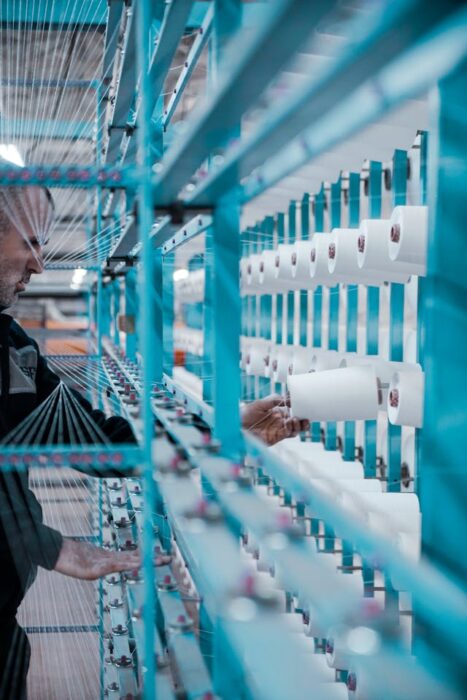
India’s textile industry stands at the intersection of tradition and transformation. As one of the country’s most employment-intensive and export-oriented sectors, textiles play a crucial role in strengthening the economy while preserving cultural heritage. In this context, the National Textiles Ministers’ Conference, scheduled for 8–9 January 2026 in Guwahati and organised by the Ministry of Textiles in partnership with the Government of Assam, represents a major step toward positioning India as a leading global textiles manufacturing hub.
Vision for a Globally Competitive Textile Industry
The conference is being held under the theme “India’s Textiles: Weaving Growth, Heritage & Innovation,” reflecting India’s long-term ambition to build a USD 350 billion textile industry and reach USD 100 billion in textile exports by 2030. By bringing together Union and State Textile Ministers along with senior officials, the platform seeks to align national and regional policies, encourage investments, and modernise the entire textile value chain.
Economic Significance of the Textile Sector
The textile sector is a cornerstone of India’s industrial economy. It contributes significantly to manufacturing output, export earnings, and rural development, while maintaining strong linkages with agriculture and allied industries. India’s abundance of natural fibres such as cotton, silk, jute, and wool, combined with growing capabilities in man-made and technical textiles, enhances its global competitiveness.
As global supply chains diversify, India has a unique opportunity to attract manufacturing investments by offering scale, skilled labour, and a supportive policy environment. Increased focus on sustainability, value-added products, and research-driven innovation is further strengthening the sector’s economic impact.
Employment Generation and Skill Development
Textiles are among the largest sources of employment in India, second only to agriculture. The sector provides livelihoods to millions of workers across rural and urban areas, including a substantial number of women and artisans. From traditional handloom clusters to modern textile parks, it offers opportunities across skill levels.
Government-led initiatives discussed at the conference aim to:
-
Strengthen skill development and vocational training
-
Support women-led and artisan-based enterprises
-
Modernise handlooms and handicrafts without eroding cultural identity
-
Promote sustainable and long-term employment growth
These efforts not only expand job opportunities but also ensure inclusive development by integrating small producers into national and global markets.
Conference Focus Areas and Regional Strengths
The conference agenda includes discussions on infrastructure expansion, investment facilitation, export promotion, raw material availability, fibre diversification, and emerging areas such as technical textiles and research & development. Special attention is being given to revitalising traditional textile segments to meet modern consumer demands.
A dedicated conclave on the North-Eastern Region highlights its strengths in silk, handloom traditions, bamboo-based textiles, and indigenous craftsmanship. Initiatives such as branding “Textiles from the North-East” aim to improve market access, strengthen regional identity, and integrate local producers into global value chains.
Key Objectives of the Conference
The primary objectives of the National Textiles Ministers’ Conference include:
-
Developing a coordinated national approach to textile growth
-
Enhancing Centre–State cooperation
-
Attracting private and foreign investment
-
Improving export competitiveness
-
Promoting innovation, sustainability, and technical textiles
-
Expanding employment and skill development opportunities
A national exhibition of Indian handlooms and handicrafts, organised by the Development Commissioner (Handlooms), complements these discussions by showcasing India’s diverse textile heritage and commercial potential.
Conclusion
India’s textile sector has the capacity to drive economic growth while creating large-scale employment and preserving cultural traditions. The National Textiles Ministers’ Conference 2026 serves as a critical platform to align policy, investment, and innovation toward this goal. By leveraging regional strengths, upgrading skills, and embracing global standards, India can establish itself as a trusted and competitive textile manufacturing hub, contributing to sustainable and inclusive national development.