


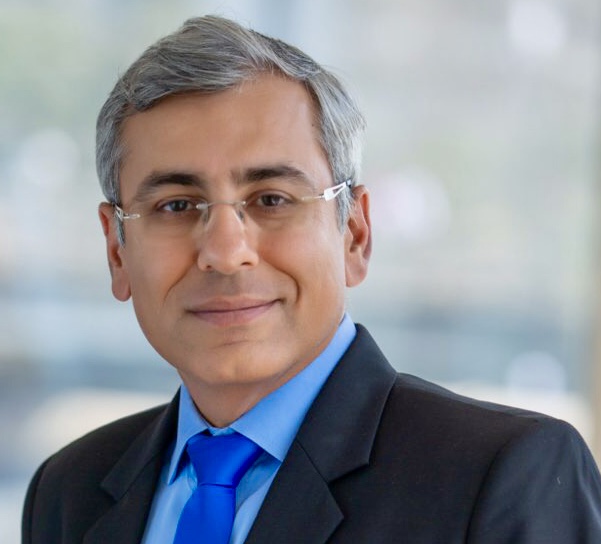
By Mr Kamlesh Thakur, President, NAREDCO Maharashtra, titled “Rethinking Urban Infrastructure for a New Climate Reality“.
The unprecedented rainfall witnessed across Mumbai and Maharashtra recently is another reminder that climate patterns have fundamentally changed. What was once considered a “once-in-a-century” event is becoming increasingly frequent.
The real question is no longer how do we respond after such events, but how do we plan our cities to withstand them?
As developers, urban planners, policymakers, environmental experts, and civic authorities, we must rethink the way we design and build our cities.
Our urban challenges are no longer limited to flooding. Ironically, the same cities that struggle with waterlogging during the monsoon also face severe water shortages for the rest of the year. With increasing urbanization and population growth, demand for water continues to rise, making rainwater harvesting, groundwater recharge and water conservation essential—not optional.
At the same time, rapid concretization has significantly reduced permeable surfaces. Water that should naturally seep into the ground is instead forced into overloaded drainage systems, increasing the risk of flooding while reducing groundwater replenishment.
Another growing concern is the increasing number of trees falling during heavy rains and strong winds. Years of excessive paving and concretization around tree roots have restricted their natural growth, weakened their anchorage, and reduced the soil’s ability to absorb water. Preserving urban greenery requires more than planting trees—it requires creating an environment where they can thrive.
Perhaps it is time for Mumbai and other rapidly growing cities to embrace the concept of “Sponge Cities”—an urban planning approach that enables cities to absorb, store, filter, and reuse rainwater instead of treating it as waste to be discharged as quickly as possible. Through permeable pavements, green roofs, urban forests, wetlands, rain gardens, recharge pits, lakes, and smart storm-water systems, Sponge Cities reduce flooding, replenish groundwater, improve water security, and create healthier urban environments. As climate change accelerates, this model deserves serious consideration in India’s urban planning framework.
A few questions deserve urgent attention:
· Should storm-water drainage systems be redesigned for much higher rainfall intensity rather than historical averages?
· Can every new development incorporate flood-resilient design, rainwater harvesting, groundwater recharge, and water recycling?
· Should we mandate greater use of permeable pavements, green corridors, urban forests, and open spaces to restore the city’s natural water cycle?
· Can technology, AI, digital mapping, and real-time weather forecasting be integrated into urban planning and disaster management?
· Should building regulations evolve to balance development with environmental resilience and long-term sustainability?
· Is it time for Maharashtra to develop a roadmap towards creating Sponge Cities, where urban development works with nature rather than against it?
Construction activity is often blamed whenever cities face flooding. While responsible construction practices are essential, the larger challenge is creating resilient urban ecosystems where infrastructure, planning, governance, and development work together.
The future of our cities depends not on building less, but on building smarter. Sustainable development is not about choosing between growth and the environment—it is about ensuring that both strengthen each other.
Climate resilience can no longer be an afterthought; it must become the foundation of urban planning. Mumbai has always demonstrated extraordinary resilience. It is now time for our infrastructure to reflect the same spirit.The discussion should move beyond assigning blame and focus on collaborative solutions. Governments, urban planners, developers, engineers, environmentalists, and citizens all have a role to play in building cities that are safer, greener, more water-secure, and better prepared for the challenges of the future.
The cities of tomorrow cannot be built with yesterday’s assumptions. Climate resilience, water security, and sustainable urbanization must become the three pillars of India’s next phase of development.