


July 24: Atypical Advantage, India’s leading livelihood platform for persons with disabilities, has expanded its accessibility-first Written English Communication initiative for Deaf and Hard of Hearing learners through Atypical Academy, its learning and skilling platform. Designed to bridge gaps in access to structured and inclusive English education, the initiative equips learners with English communication skills through visual-first learning, Indian Sign Language (ISL)-supported instruction, and workplace-focused training to improve participation in education, employment, and the digital economy.
India continues to face significant gaps in accessible English education for Deaf and Hard of Hearing learners. Despite being home to more than 5 million Deaf individuals, many students do not develop adequate reading and writing skills despite years of schooling, while nearly 19% of Deaf and Hard of Hearing children remain out of school, underscoring the urgent need for inclusive language support.
Hence, the program’s primary focus is to make English learning more convenient and effective for a community underserved by conventional learning models by blending visually driven English learning, ISL supported instruction, practical grammar modules, workplace communication training, school partnerships, curriculum development, and educator enablement.
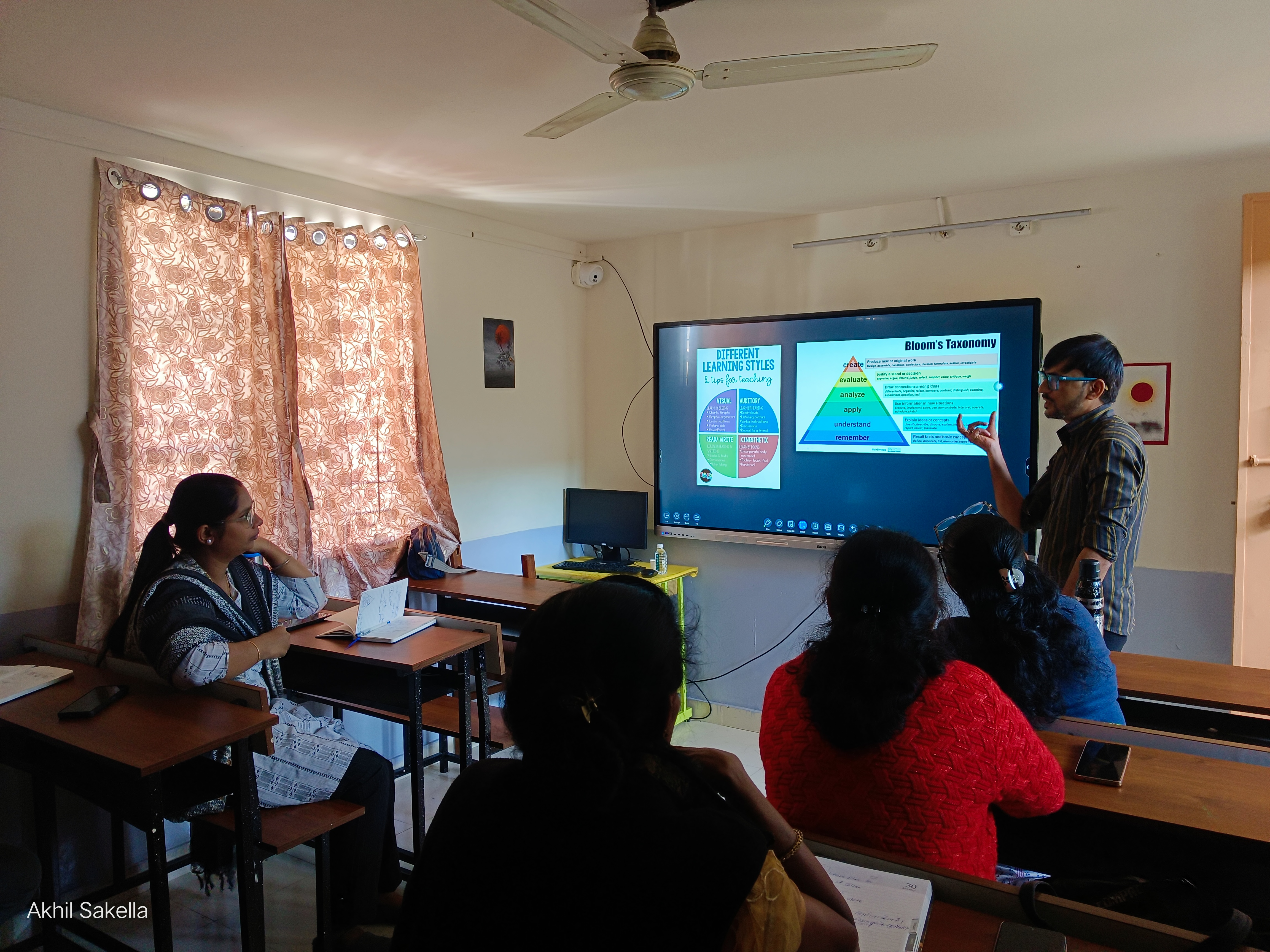
As part of the initiative, the platform has partnered with C.R. Rangnathan and the Sheila Kothavala Institute for the Deaf to develop specific English learning content for children from kindergarten to Grade 5 and to train teachers to deliver this content in the classroom. It has also collaborated with KFC India to provide a Written English and Communication training program for deaf employees, concentrating on workplace readiness and communication skills.
Vineet Saraiwala, Founder, Atypical Advantage said, “Language is the foundation for confidence, independence, and participation in society. When deaf learners are given access to learning environments designed around their needs, the impact extends far beyond the classroom and society”.
“So far, we have trained more than 500 deaf and hard-of-hearing individuals, and their progress continues to reinforce our belief that accessible learning can create meaningful opportunities and lasting impact,” he added.
The program has received positive responses from learners praising its interactive teaching style, accessible approach, and the continuous support provided by trainers. “All this time I lacked confidence in communicating in English. The classes helped me improve significantly, and now I can express myself more clearly,” said learner Preeti Raj, a 20-year-old hearing-impaired candidate from Kerala.
Currently, Atypical Advantage is working on its long-term vision, i.e to expand the program internationally, including in the United States, and to improve English literacy for 1 million deaf and hard-of-hearing learners globally over the next three years.