


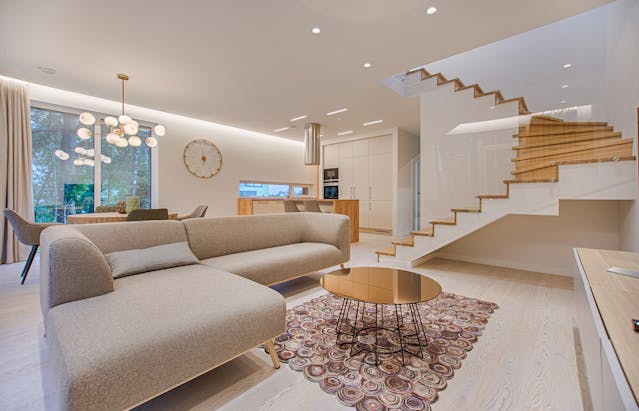
Step into any modern home or office today, and it’s clear that spaces are no longer just places to live or work—they are statements of identity, comfort, and ambition. In recent years, the home décor and interior design industry has moved from the margins to the mainstream, becoming one of the most sought-after businesses across residential, commercial, and institutional sectors.
What was once considered a luxury has now become an essential part of modern living. Whether it is renovating a home, upgrading an office, redesigning a hotel, or creating immersive retail spaces, design is now central to how people experience their environments.
The Rise of Renovation Culture
One of the strongest drivers of growth in the décor industry is the rising culture of renovation. Homeowners today are constantly updating their spaces to keep pace with changing lifestyles. The shift towards hybrid work has blurred the boundaries between home and office, pushing people to redesign their interiors to be more functional, flexible, and comfortable.
At the same time, businesses are rethinking their workspaces. Offices are being redesigned to encourage collaboration, creativity, and employee well-being, while retail and hospitality spaces are investing in design to create memorable customer experiences. Across sectors, décor is no longer about appearances alone—it’s about purpose.
A New Generation of Design-Conscious Consumers
Today’s consumers are more design-aware than ever before. With endless inspiration available on social media platforms like Instagram and Pinterest, people are developing strong personal tastes and higher expectations. They no longer want generic furniture or cookie-cutter layouts; they want spaces that feel personal, expressive, and thoughtfully curated.
Personalisation has emerged as a defining trend. From custom-made furniture and tailored colour palettes to handcrafted décor pieces, consumers are looking for designs that reflect who they are. For many, a well-designed space is an extension of their personality and values.
Premiumisation is also reshaping the market. As disposable incomes rise, people are increasingly willing to invest in quality—choosing durable materials, designer finishes, and branded décor that offer both style and longevity.
Technology Meets Design
Technology has quietly but powerfully transformed the décor business. Online platforms have made discovering and purchasing décor easier than ever, bringing vast catalogues and design inspiration to consumers across metros as well as Tier-2 and Tier-3 cities.
Advanced tools such as Augmented Reality (AR) and Virtual Reality (VR) are changing how people shop for interiors. Customers can now visualise how furniture, colours, and lighting will look in their own space before making a decision—making the process more confident and engaging.
Smart décor is another growing trend. From intelligent lighting and automated curtains to climate-controlled interiors, technology is blending seamlessly with design to create spaces that are not only beautiful but also intuitive and efficient.
Interior Design Across Homes, Offices and Beyond
The interior design industry today spans three key segments—residential, luxury, and commercial—and all three are experiencing strong demand.
Residential interiors are growing rapidly as urban housing expands and homeowners seek professional guidance to make the most of limited space. Millennials and young families, in particular, view interior design as a reflection of their lifestyle and aspirations.
Luxury interior design continues to gain momentum, driven by high-end residences, premium office spaces, and bespoke commercial projects. This segment focuses on exclusivity, craftsmanship, and technology-integrated design, catering to clients who see interiors as long-term investments.
Commercial interiors—covering offices, hotels, restaurants, malls, healthcare facilities, and educational institutions—remain a major growth engine. Well-designed commercial spaces enhance productivity, brand identity, and customer engagement, making interior design a strategic business decision.
Sustainability and Wellness Take Centre Stage
Modern décor is increasingly guided by sustainability and wellness. Environmentally conscious consumers are choosing eco-friendly materials such as bamboo, reclaimed wood, recycled fabrics, and natural finishes. Sustainability is no longer a niche preference—it has become a mainstream expectation.
Wellness-focused design is also shaping interiors. Biophilic elements like indoor plants, natural light, and earthy textures are being integrated into homes and offices to improve mental well-being. Ergonomic furniture, better airflow, and thoughtful layouts are redefining comfort in everyday spaces.
An Industry with Economic and Cultural Impact
Beyond design and aesthetics, the décor industry plays a significant role in the economy. It supports a wide network of artisans, designers, manufacturers, retailers, logistics providers, and digital platforms, creating employment across skill levels.
In countries like India, the industry also acts as a bridge between tradition and modernity. Handcrafted textiles, pottery, paintings, and woodwork bring regional craftsmanship into contemporary spaces, preserving cultural heritage while meeting modern design sensibilities.
The Future of Spaces
The home décor and interior design industry is entering a new chapter—one where creativity meets technology, sustainability shapes choices, and personalisation defines success. As people continue to invest in improving their homes, offices, and shared spaces, the demand for thoughtful, functional, and beautiful interiors will only grow.
In the years ahead, décor will not just be about filling spaces—it will be about telling stories, enhancing well-being, and creating environments that truly feel like home.