


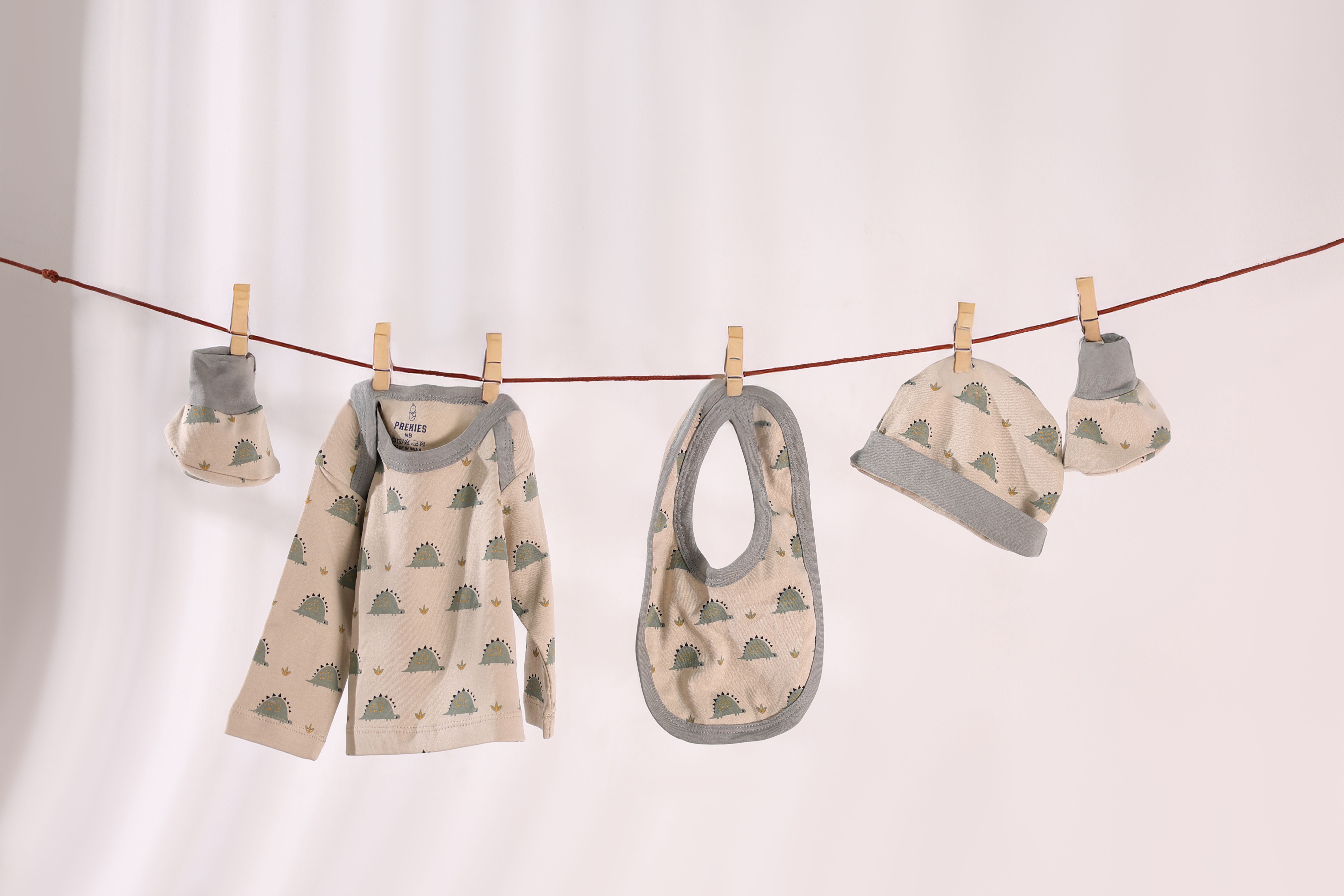
Fewer Babies, Higher Spending
India’s baby products market is now in an exciting phase. There are fewer babies being born as fast as previous generations, but the market for high quality baby goods is expanding. This seemingly paradoxical situation is giving companies a huge opportunity.
The reason is simple: Indian parents are increasingly spending more on each child.
Today, many parents can be found taking a “quality over quantity” approach to parenting, especially with smaller families and higher household incomes, increased health consciousness and the impact of digital media. The emphasis is changing from the purchase of additional products, to the purchase of products that are perceived as being safer, better, more convenient and more scientifically advanced.
This is creating a new market niche in baby skin care, baby food, baby clothing, baby furniture, toys, safety products and baby technology.
The Demographic Shift Behind the Business Opportunity
The fertility rate in India has been on a downward trend over the last few decades and the official demographic figures for the country have shown that in recent years the TFR has been below the replacement level. There is a decrease in the number of children in urban families and childbearing is delayed.
This population ageing is impacting consumers’ consumption behavior. If families have one or two children, parents might be more inclined to invest money in special products, improved food, quality health care and convenience services.
So, fewer births don’t necessarily mean less expenditure in the market. Rather, per child spending can rise.
The Rise of the “Premium Parenting” Consumer
It’s a fact that today’s urban parents are vastly more informed than previous generations. Before buying a baby product, they may compare ingredients, read reviews, watch expert videos, check safety certifications, and research international alternatives.
This has led to a demand for products with specific benefits, such as hypoallergenic skin care, organic ingredients, ergonomic baby furniture, developmental toys, advanced feeding equipment, premium strollers and smart monitoring devices.
Additionally, more parents are willing to pay for convenience. There are baby foods available that are made ready to eat, there is home service that comes to your door, there is home baby food, there is home baby fooding and there is an increased interest in ready-to use baby food, subscription baby wipes, sterilisation products and home baby food services for working parents.
The high-end baby market is thus not all about luxury. It is becoming more and more trustworthy, secure, convenient and valued.
Baby Care Is Moving Beyond Traditional Products
Baby-care is more than just baby oil, soap, and powder. There is now a premium baby nutrition, skin care, clothing, furniture, toys, travel goods, safety and sleep and digital health monitoring. Besides, parents are growing more aware of the properties of natural, clean label, dermatologically tested and environmentally friendly products.
Markets are quickly getting niche. A brand can stick to just newborn skincare, feeding options, sleep items, or developmental toys, and it’s perfectly fine.
The specialisation provides an opportunity for small Indian businesses and startups to compete with larger companies by being innovative and niche.
The Baby Shopping Experience is Changing With E-Commerce
There has been a radical shift in the way that parents discover and from where they buy baby products thanks to the internet.
There are a greater variety of products available online than there are in many local stores, especially for high-quality and niche products. The products are now available to parents in Tier-2 & Tier-3 cities, which were previously only available in metropolitan markets.
E-commerce provides another benefit to smaller brands, as it enables them to connect with consumers without having to invest in a large brick-and-mortar store. New routes to market are being established such as subscription models, direct to consumer websites, social commerce, and digital communities.
For baby-product companies, the customer journey may start online, even if the actual purchase occurs in the offline world.
The Opportunity Beyond the Metro
No longer are premium baby products just for the richest families in Mumbai, Bengaluru, or Delhi.
With growing disposable incomes and increasing Internet use, demand is expanding to smaller cities. But businesses need to realize that premium does not necessarily imply extremely costly. Premiumisation in India can also take the form of better packaging, safer ingredients, improved durability, attractive design, or increased convenience at affordable price point, as there is a wide variety of markets.
The best brands can be those that make premium offerings available to the masses, instead of luxury items for just the elite.
Sustainability Is Becoming Part of Baby Care
Environmental issues are also helping to drive buying behavior. Parents are increasingly considering reusable products, sustainable fabrics, biodegradable packaging, organic materials and manufacturing that’s good for the environment. Businesses are now looking for more environmentally-friendly alternatives to diapers, wipes, clothing, toys and packaging.
But sustainability needs to be accompanied by real product performance. It’s improbable if a product is ‘green’ that parents will sacrifice safety, hygiene or convenience for that reason alone.
The successful application of sustainability and functionality in the winning businesses will be the ones that will stand out.
The Trust Premium
Unlike many products, parents are very mindful about the baby products that they use.
Therefore, trust is one of the most valuable assets that can be found in the industry. Premium prices can be justified to the customer if the ingredients, the testing, the advertising, the service and the product quality are transparent, credible, responsible, reliable, and strong, respectively.
If a company makes exaggerated health claims or if they don’t maintain quality, they can easily lose consumers’ trust. Reputation is not just a marketing tool; it’s a business requirement in this sector.
Next Growth Story in India’s Baby Economy
This is a bigger shift in buying habits in India’s top baby products market. While the country’s birth rate may be dropping, the value of each child is going up.
This provides opportunities for entrepreneurs in baby nutrition, personal care, technology, education, safety, retail and subscription. The market is shifting away from mass production toward special solutions meeting the needs of today’s families.
What is clear is that the infant market in India’s future might not take off because of more babies, but because of increased spending per baby.
With the dwindling size of families and high expectations of parents, the premium baby products market may continue to be one of the most lucrative consumer markets in India. Let’s not assume that the next big thing is more products, more kids, but rather better, safer, smarter, and more meaningful products for the children that Indian families invest in most.