


India’s November Industrial Boom: Revival or a Seasonal Illusion?
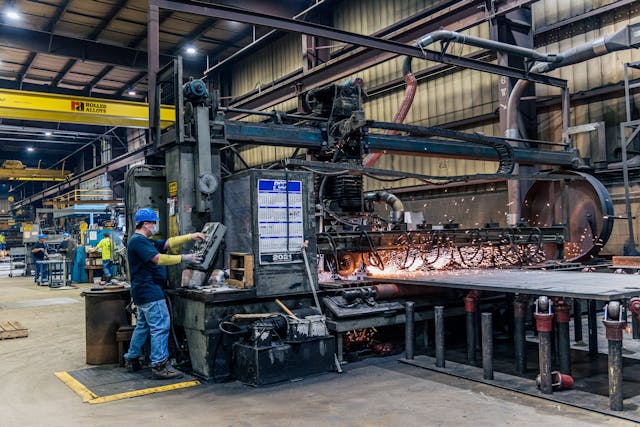
India’s industrial sector delivered an unexpected jolt of optimism in November, clocking a 6.7% rise in industrial production, the fastest growth in nearly two years. After months of uneven performance, the surge stood out sharply, fuelling hopes that the economy might finally be regaining its footing. Manufacturing plants hummed louder, mines returned to activity, and electricity output strengthened—all signs that typically point to improving economic health.
Yet, as the initial excitement settles, a more cautious narrative emerges. The numbers, while impressive, raise an important question: does this growth signal a genuine turnaround, or is it a brief spike driven by seasonal and policy-related factors?
What Powered the November Jump?
The manufacturing sector was the star performer, buoyed by a festive-season demand boost. As households increased spending on electronics, appliances, automobiles, and clothing, manufacturers rushed to replenish inventories that had been run down in previous months. This restocking cycle led to a sharp increase in factory output, particularly in consumer goods and capital goods.
The mining sector also contributed to the upswing, rebounding after earlier contractions caused by prolonged monsoon conditions. Improved weather allowed coal and mineral production to recover, supporting infrastructure projects and energy generation. Meanwhile, electricity output rose in tandem, reflecting heightened industrial activity.
Together, these factors created a rare moment of synchronised growth across key industrial segments.
Festivals, GST Cuts, and Temporary Tailwinds
Timing played a crucial role in November’s performance. The festive season traditionally lifts consumption, but this year the impact was magnified by cuts in Goods and Services Tax (GST) rates on several consumer items. Lower prices encouraged spending, quickly depleting inventories and forcing manufacturers to step up production.
While this combination of festive demand and tax relief provided a timely boost, it also underlines the temporary nature of the surge. Once the festive season fades and inventory levels normalise, production growth often loses momentum unless supported by stronger underlying demand.
Why Caution Is Warranted
A broader look at the data tempers the optimism. Industrial growth over the April–November period has remained modest, suggesting that November’s spike may be an exception rather than the start of a sustained trend. Consumer non-durables—an indicator of everyday demand—have shown signs of stress over the year, pointing to continued pressure on household spending.
Structural challenges also persist. Private investment remains hesitant, foreign capital outflows continue, and a weakening rupee has raised the cost of imported inputs. Global uncertainties, including trade barriers and geopolitical tensions, further cloud the outlook.
Reflecting these realities, the Reserve Bank of India has projected a gradual slowdown in growth in the coming quarters, reinforcing the view that November’s surge may not be easily replicated.
A Flash of Optimism, Not a Breakthrough
November’s industrial performance is a welcome reminder of India’s economic resilience, but it is unlikely to mark a decisive turning point on its own. The growth was driven largely by seasonal demand, inventory restocking, and short-term policy support—factors that offer relief, not resolution.
For the surge to evolve into a lasting recovery, India will need stronger consumer demand, renewed private investment, stable global conditions, and sustained policy support. Until then, November’s numbers remain a bright spot—impressive, encouraging, but ultimately fleeting.