


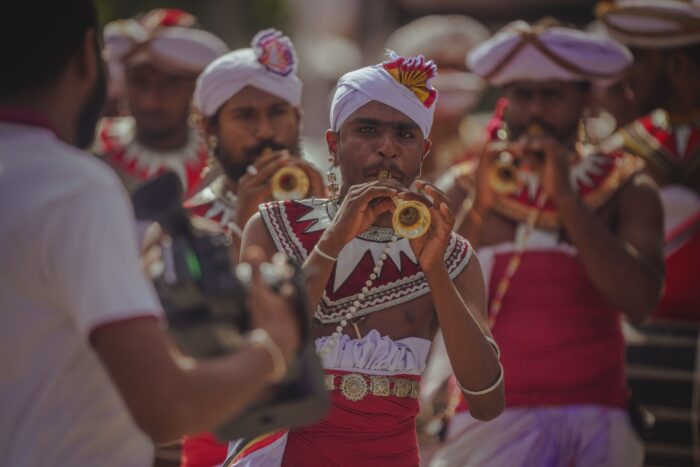
A Timeless Celebration of Faith, Heritage, and Tradition
Sri Lanka is renowned for its rich cultural heritage, ancient traditions, and vibrant festivals, but few events capture the spirit of the island nation as magnificently as the Kandy Esala Perahera. Held annually in the historic city of Kandy, this spectacular festival is one of Asia’s oldest and most celebrated cultural events. Drawing thousands of local devotees and international visitors each year, the Kandy Esala Perahera is a mesmerizing blend of religious devotion, traditional artistry, and national pride.
Celebrated during July or August in conjunction with the Esala full moon, the festival honors the Sacred Tooth Relic of Lord Buddha, one of the most revered religious artifacts in Buddhism. Through grand processions, traditional dances, ceremonial rituals, and beautifully adorned elephants, the festival showcases the enduring cultural legacy of Sri Lanka while reinforcing the spiritual values that continue to shape the nation.
The Historical Origins of Kandy Esala Perahera
The roots of the Kandy Esala Perahera stretch back more than 2,500 years, making it one of the world’s oldest continuously celebrated cultural festivals. Historical records suggest that the festival evolved from ancient rituals performed by Sri Lankan kings seeking divine blessings for rainfall, agricultural prosperity, and national well-being.
The significance of the event grew considerably after the Sacred Tooth Relic was brought to Sri Lanka and eventually housed in Kandy. During the reign of King Vimaladharmasuriya I in the late 16th century, Kandy became the permanent home of the relic, transforming the city into the spiritual heart of Sri Lankan Buddhism.
Over the centuries, the Perahera developed into a grand religious and cultural procession that combined Buddhist traditions with indigenous customs, creating the magnificent spectacle witnessed today.
The Sacred Tooth Relic: The Heart of the Festival
At the center of the Kandy Esala Perahera is the Sacred Tooth Relic of Lord Buddha, enshrined within the revered Temple of the Tooth Relic (Sri Dalada Maligawa).
For Buddhists, the relic symbolizes spiritual authority, religious continuity, and national sovereignty. Throughout Sri Lankan history, possession of the Sacred Tooth Relic was often linked to the legitimacy of kingship, making it one of the most treasured symbols in the country.
During the Perahera, a replica casket representing the Sacred Tooth Relic is carried in a grand procession atop a magnificently decorated elephant. This symbolic journey attracts thousands of worshippers who gather to pay homage and seek blessings.
A Spectacular Display of Culture and Tradition
One of the most captivating aspects of the Kandy Esala Perahera is its breathtaking nightly processions.
Traditional Dancers
The festival features a diverse range of traditional Sri Lankan dance forms, including:
- Kandyan dancers
- Ves dancers
- Fire dancers
- Whip crackers
- Folk performers
Their energetic performances preserve centuries-old traditions while entertaining spectators with stunning displays of skill and artistry.
Rhythmic Drumming
Traditional drummers play a vital role in the procession. The powerful rhythms of the geta bera, yak bera, and dawula drums create an electrifying atmosphere that resonates throughout the city.
Fire Performers
Fire dancers and torch bearers add excitement and drama to the event. Their daring performances symbolize purification, strength, and spiritual devotion.
Decorated Elephants
Perhaps the most iconic image of the Kandy Esala Perahera is the procession of beautifully adorned elephants. Draped in elaborate costumes illuminated with thousands of lights, these majestic animals embody the grandeur and majesty of the festival.
Cultural Significance of the Kandy Esala Perahera
The Kandy Esala Perahera is more than a religious festival—it is a powerful expression of Sri Lanka’s cultural identity.
Preserving Heritage
The festival serves as a living repository of Sri Lankan traditions, preserving ancient art forms, music, dance, and ceremonial practices for future generations.
Promoting National Unity
People from diverse ethnic, social, and religious backgrounds come together to celebrate this important cultural event. The festival fosters a sense of shared identity and collective pride among Sri Lankans.
Strengthening Religious Devotion
For Buddhists, the Perahera provides an opportunity to honor the teachings of Lord Buddha and express gratitude for spiritual guidance and blessings.
Community Participation and Local Involvement
One of the most remarkable aspects of the Kandy Esala Perahera is the active involvement of local communities.
Families spend months preparing costumes, decorations, and ceremonial items. Artisans create intricate ornaments and traditional crafts, while local businesses support the event through sponsorships and services.
The festival becomes a community-wide effort that strengthens social bonds and reinforces cultural continuity. Generations work together to ensure the traditions remain vibrant and meaningful.
Tourist Experience: What Visitors Can Expect
For travelers seeking authentic cultural experiences in Sri Lanka, the Kandy Esala Perahera offers an unforgettable opportunity.
Best Time to Visit
The festival is generally held during July or August, depending on the lunar calendar. Visitors should plan accommodations well in advance, as hotels in Kandy often reach full capacity during the event.
Prime Viewing Locations
Popular viewing areas include:
- Near the Temple of the Tooth Relic
- Kandy Lake perimeter
- Main procession routes through the city
Arriving early is essential to secure a good viewing position.
Cultural Etiquette
Visitors should respect local customs by:
- Dressing modestly
- Maintaining respectful behavior during religious ceremonies
- Seeking permission before photographing individuals
- Following instructions from festival organizers
By observing these practices, tourists can enjoy a meaningful and respectful cultural experience.
Economic Impact and Tourism Growth
The Kandy Esala Perahera contributes significantly to Sri Lanka’s tourism industry and local economy.
Benefits to Local Businesses
The influx of visitors generates revenue for:
- Hotels and guesthouses
- Restaurants and cafes
- Transportation providers
- Retail stores
- Souvenir vendors
Supporting Traditional Artisans
The festival also creates opportunities for local craftsmen and performers to showcase their talents and earn income through cultural tourism.
Enhancing Sri Lanka’s Global Image
As one of Asia’s most visually spectacular festivals, the Kandy Esala Perahera strengthens Sri Lanka’s reputation as a premier cultural tourism destination.
The Future of Kandy Esala Perahera
As global interest in cultural tourism continues to grow, the Kandy Esala Perahera remains a shining example of how ancient traditions can thrive in the modern world.
Efforts to preserve the festival’s authenticity while accommodating increasing visitor numbers will be crucial in ensuring its sustainability. Through responsible tourism and cultural conservation initiatives, future generations will continue to experience and celebrate this extraordinary heritage event.
Conclusion
The Kandy Esala Perahera is far more than a festival—it is a living celebration of Sri Lanka’s history, spirituality, and cultural identity. From the sacred procession of the Tooth Relic to the dazzling performances of dancers, drummers, and decorated elephants, every aspect of the event reflects the richness of Sri Lankan heritage.
For travelers, historians, photographers, and cultural enthusiasts alike, the Kandy Esala Perahera offers an unparalleled glimpse into one of Asia’s most treasured traditions. Its enduring legacy continues to unite communities, inspire devotion, and showcase Sri Lanka’s remarkable cultural heritage to the world.