


Covestro, a world-leading supplier of high-performance polymer materials, presents its series of high-performance, sustainable material solutions in Taipei. Under the theme “The Material Effect,” the company is showcasing how its material solutions are enabling innovations across AI computing, embodied intelligence. On June 4, Covestro will host a seminar titled “Grab the future of material effects in AI era,” featuring a dedicated technical session on “Innovative and Sustainable TPU Solutions driven by the AI Era”. exploring how TPU materials enable service robots, AI laptops and smart devices in achieving performance upgrades and scalable deployment.
“Taiwan is a critical hub for the global electronics and electrical industry and an innovation base for forward‑looking applications such as AI robotics,” said Alec Yang, Head of Sales and Market Development TPU Taiwan of Covestro. “With our TPU APAC R&D center and manufacturing site in Changhua, we can directly support local customers for material development and scale‑up for critical applications including consumer electronics and artificial intelligence. This enables an efficient transition from R&D and application validation to localized mass production, addressing the diverse demand for high-performance and sustainable materials across the regional value chain.”
Enabling performance leaps for AI-Powered Robots in the Real World
In the field of service robotics, AI is accelerating the transition from single‑purpose function to diverse and complex real-world scenarios, which raises the bar for material performance. Overall robotic performance depends not only on algorithms and mechanical design, but also on the stable performance of key components under high‑frequency operation. With excellent abrasion resistance, flexibility and mechanical strength, TPU has become one of the key enabler for motion functions and critical movements in robotics applications.
Driven by AI, household cleaning robots are gaining enhanced capabilities in recognizing complex environments and types of dirt, while market now expects cleaning performance across more scenarios. The material performance of core components such as seals, rollers, side brushes and wheels directly affect suction efficiency, cleaning results, obstacle‑climbing capability and traction. To ensure stable cleaning across complex floor conditions, materials must maintain controlled deformation and durability under prolonged dynamic loads. Covestro’s Desmopan® IT series TPUs delivers stable performance under high-frequency operation and supports low-noise operation across a variety of floor surfaces. In high-humidity or wet environments, such as pool and garden cleaning robots, this material also offers excellent hydrolysis resistance and antimicrobial properties, helping extend equipment lifetime and enhance reliability.
Biomimetic designs in embodied intelligence place higher requirements for mobility, protection and human-machine interaction. In critical structural and exterior components, TPU can deliver skin-like softness and conformability while maintaining durability and chemical resistance under repeated stress and everyday use. For example, foams made with Desmopan® FLY can be used in foot structures to provide excellent cushioning and rebound. Desmopan® AIR series utilizes a parallel-layered extrusion process to create multi‑layer cushioning structures, supporting customized biomimetic designs as well as prototyping and performance validation during development. In tactile sensing and safe interaction, TPU serves as a foundational material for electronic skin solutions. flexible TPU films bring tactile sensing to dexterous hands and electronic skin while improving flexibility in the hands and fascial structures. In systems involving high‑frequency dynamic motion, TPU is also used for cable jacketing in robotic arms and operating equipment. Its outstanding flexibility and mechanical strength under repeated bending, ensuring long‑term stability of signal transmission and power delivery, it also meets flame‑retardant requirements, making it suitable for industrial robots and for electronics and electrical applications with stringent safety and environmental standards.
Combining rubber-like elasticity with the strength of engineering plastics, TPU also offers excellent processability and recyclability. Suitable for multiple molding methods, including injection molding and extrusion, supporting robotics products from prototyping to large-scale production.
Delivering High Performance and Sustainability for AI Laptops and Smart Devices
As intelligence continues to evolve in end devices, material innovation is playing an increasingly vital role in enabling performance upgrades and sustainable design in consumer electronics.
As AI functions deeply integrated into everyday work, creative and mobile use scenarios, laptops face higher requirements in terms of high‑speed computing, lightweight design, thermal management and environmental sustainability. Components such as foot pads and thermal management components, which support heat dissipation and anti-slip functions in laptops, can be overmolded with TPUs of different hardness, helping optimize overall device weight while improving recyclability. Covestro’s Desmopan® XHR series TPU offers excellent heat and wear resistance, maintains outstanding mechanical performance under sustained high‑temperature conditions, making it particularly suitable for devices with demanding thermal management requirements, such as servers and gaming laptops. In response to the growing sustainability trend, Desmopan® CQ series TPUs uses bio-based feedstocks and the mass balance approach can achieving a share of sustainable content of over 80%. While delivering comparable performance to conventional fossil-based materials, helping brands reduce carbon footprint across the entire product life cycle.
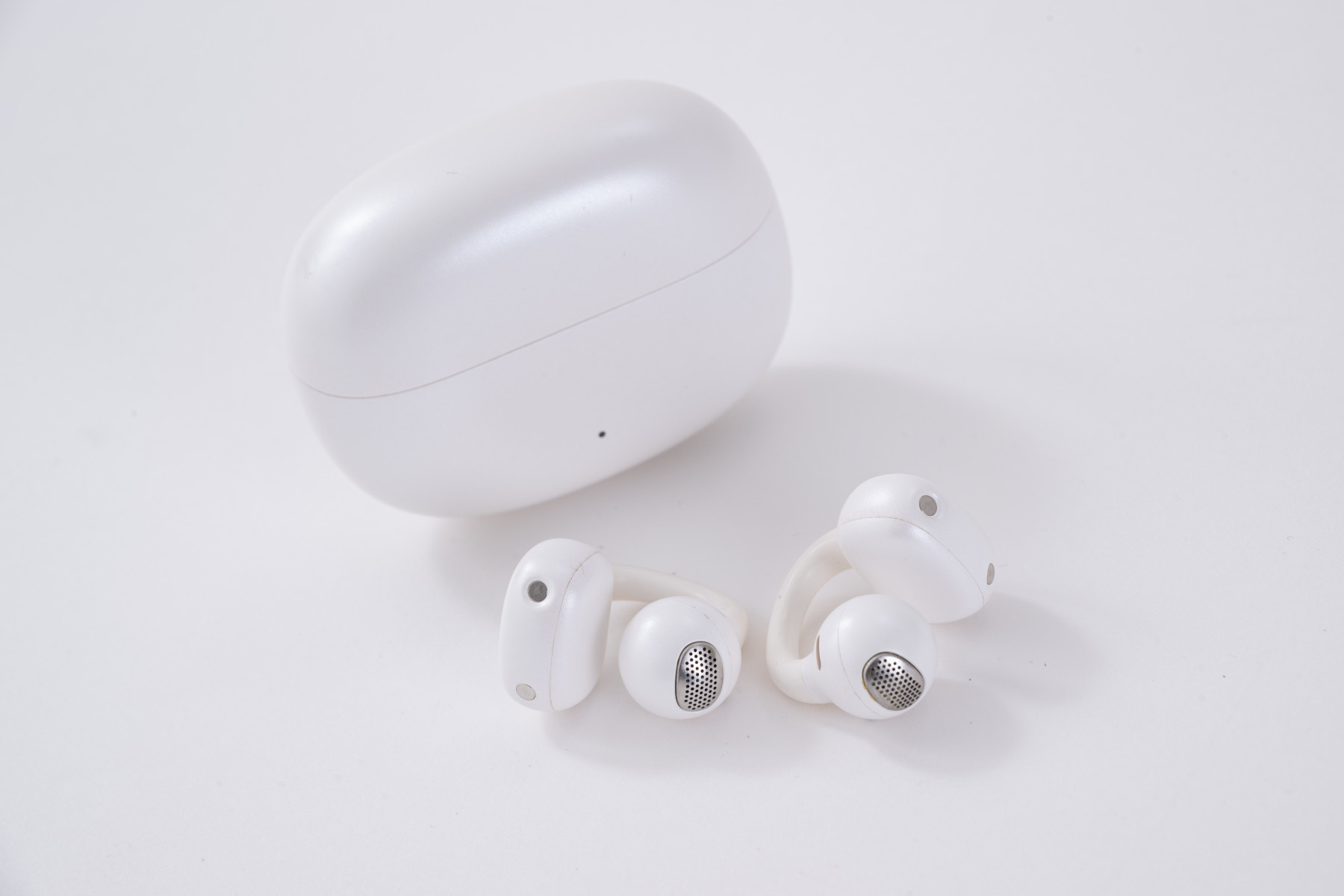
In smart connected devices such as speakers and gateways, Desmopan® IT series TPU can be used in exterior panels and base plates, combining pleasant haptics, vibration damping and long‑term stability, while offering broad design freedom for brands. In flexible wearable devices that come into direct contact with skin, such as smart bands, watch straps and earphones, Desmopan® IT series TPU delivers a soft, skin-friendly touch along with excellent abrasion resistance and antimicrobial properties, ensuring lasting comfort during prolonged wear, while maintaining high standards of hygiene and meeting the demanding requirements of health monitoring and fitness tracking applications.
“Material innovation in the AI era is not only about boosting performance, but also about enabling more efficient product development and more reliable mass production,” said Kevin Ho, Head of Sales and Market Development TPU APAC of Covestro. “Focused on ongoing innovation in high-performance TPU materials and related technologies, we continue to expand what’s possible in cutting-edge applications, supporting customers in visionary project development and accelerating the transition from validation to scale. Our TPU Application Development Center, opened this May in Guangzhou, works in synergy with the Taiwan R&D Center to strengthen technical support across Asia Pacific as a global manufacturing hub. Combined with our regional production and supply chain network, Covestro will keep driving performance leaps and sustainable progress in electronics and electrical applications for the AI era.”