


Hyderabad, May 16, 2026: India’s cardiovascular risk profile is undergoing a worrying shift, hypertension, once largely associated with older adults, is now increasingly being detected among people in their 30s and early 40s. Doctors warn that this silent progression is becoming one of the most under-recognised public health challenges in urban India. On the occasion of World Hypertension Day, specialists at CARE Hospitals highlighted that hypertension affects nearly one in four adults in urban India, with a significant proportion remaining undiagnosed until complications arise.
Health experts caution that this gap in early detection is contributing to a growing burden of preventable heart attacks, strokes and kidney disease. Often termed the “silent killer,” hypertension typically progresses without symptoms. Nearly half of those living with high blood pressure are unaware of their condition, as routine screening is still not widely adopted among asymptomatic adults below 40 years of age. Doctors attribute the rising trend to prolonged stress, sedentary work culture, irregular sleep cycles, high-salt processed diets and declining physical activity, a combination increasingly seen among young professionals and urban populations. In many cases, individuals misinterpret early physiological changes as fatigue or stress, delaying diagnosis and treatment.
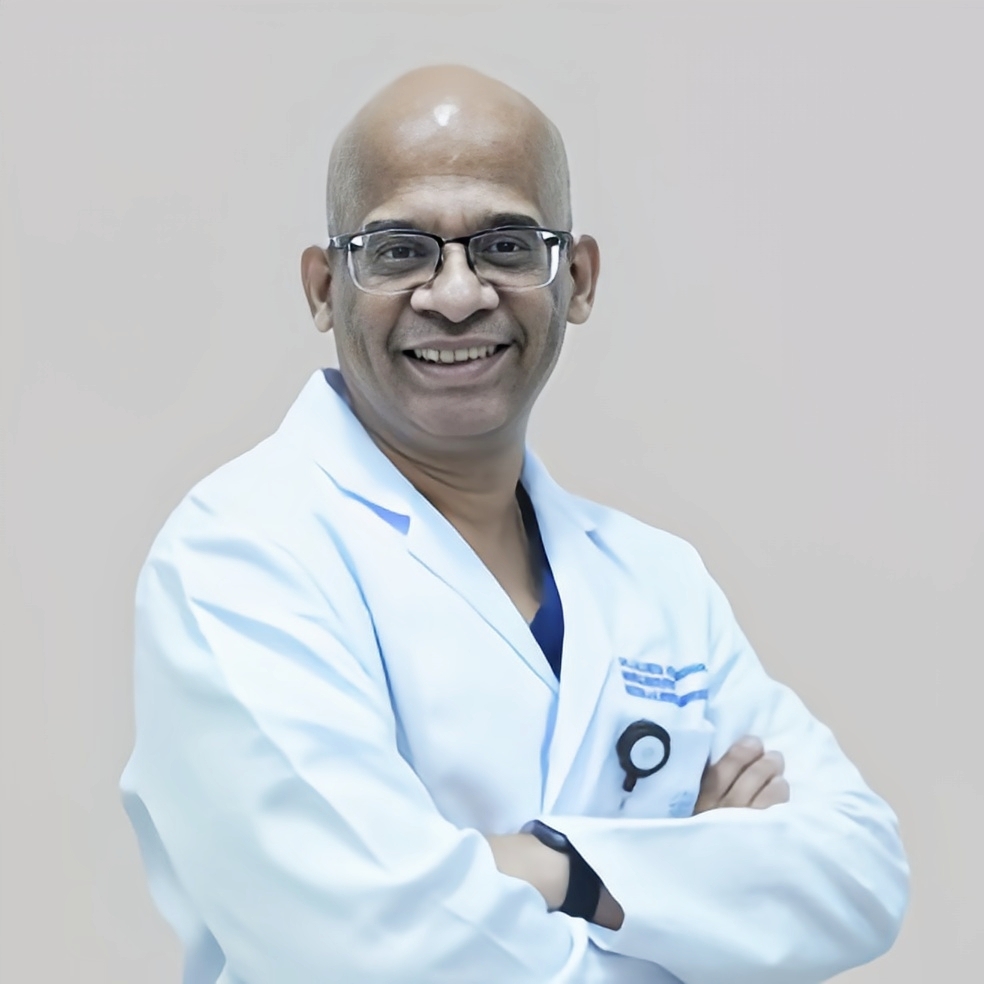
Dr. Lalukota Krishna Mohan, Director and Senior Interventional Cardiologist at CARE Hospitals, Hitech City, said, “Hypertension is no longer a condition of later life. We are now diagnosing it much earlier, often in individuals who are in the most active phase of their careers. The concern is not just prevalence, but the silent nature of damage it causes to the heart, brain and kidneys over time.” He added, “Most patients do not experience warning symptoms. By the time blood pressure-related complications appear, organ damage may already be underway. Regular screening, especially for those with diabetes, obesity, family history, smoking habits or high stress, is essential. A simple BP check can significantly change long-term outcomes.”
Experts further noted that uncontrolled hypertension gradually damages blood vessels, increasing the risk of life-threatening complications such as stroke, heart failure, kidney failure and vascular disease. It remains one of the leading preventable causes of cardiovascular mortality in India. Health specialists emphasised that lifestyle correction remains the first and most effective line of defence. Regular physical activity, reduced salt intake, balanced nutrition, weight management, adequate sleep, stress control and avoidance of tobacco and alcohol can significantly reduce risk.
Dr. Krishna Mohan also stressed the need for preventive health behaviour, stating, “Hypertension prevention begins with awareness and consistency. People should not wait for symptoms to appear. Annual blood pressure screening after the age of 30 should become a routine health habit, not an exception.” Reinforcing its commitment to preventive cardiac care, CARE Hospitals called for greater public awareness and early screening adoption as part of long-term strategies to reduce India’s growing cardiovascular disease burden. On World Hypertension Day, clinicians reiterated a simple message: detect early, act early — because hypertension rarely announces itself, but its consequences often arrive without warning. Warm Regards,