


More Than Just the “Second Option” After Gold
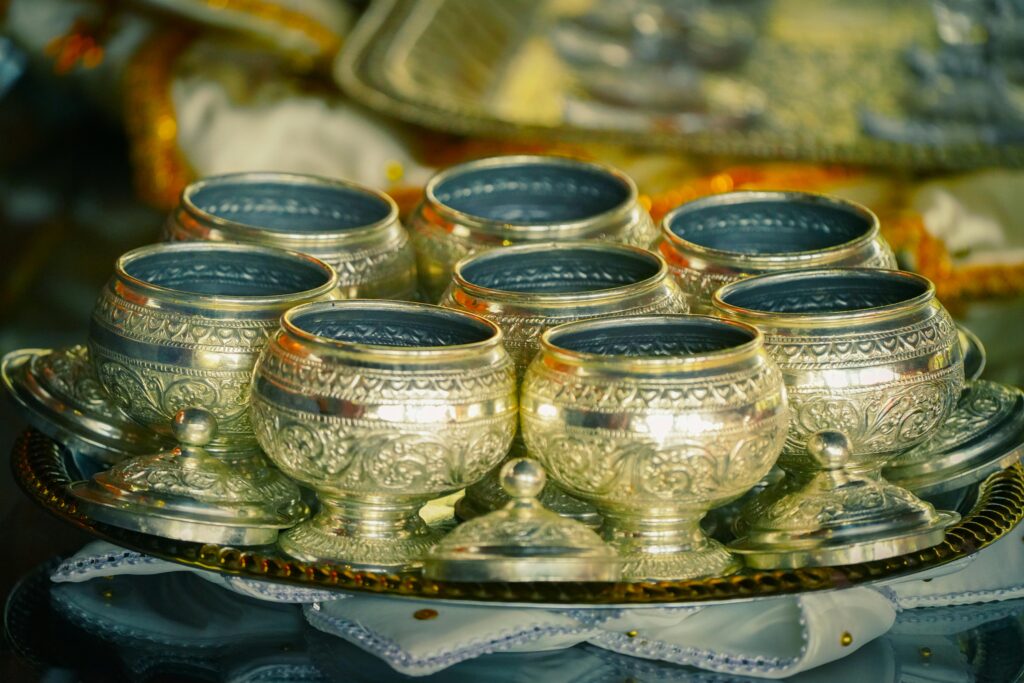
For decades, Indian families looked at silver as the cheaper cousin of gold. Gold was considered the real investment, while silver was mostly associated with utensils, ornaments, pooja items, and traditional household use.
But that thinking is slowly changing.
Today, silver is no longer important only because of tradition. It is becoming valuable because the modern world increasingly depends on it. From solar panels and electric vehicles to electronics and medical equipment, silver has quietly become part of industries that are shaping the future.
In many ways, silver is moving from being a decorative metal to becoming an industrial and economic asset.
How Silver Prices Changed Over the Last a Decade
The rise in silver prices over the last decade has been significant.
Around ten years ago, silver prices in India were roughly between ₹35,000 and ₹40,000 per kilogram. In recent years, prices have touched ₹90,000 and even crossed ₹1 lakh per kilogram during strong market periods.
This increase did not happen simply because of jewellery demand. Several larger economic factors pushed prices upward. Inflation, global uncertainty, industrial demand, renewable energy expansion, and investor interest all played major roles. Unlike gold, silver is not driven only by emotional or investment demand. It is also heavily consumed by industries. That dual demand gives silver a unique position in global markets.
Can Silver Be Considered a Savings Option Like Gold
Gold still carries stronger emotional trust in India. Families have relied on it for generations during emergencies, weddings, and long-term savings. Silver, on the other hand, is more volatile. Prices move more aggressively, both upward and downward.
But silver has one major advantage—it is affordable.
For many middle-class families, buying gold regularly has become difficult because of rising prices. Silver allows smaller investors to accumulate physical assets without massive financial pressure.
At the same time, many people are now recognising that silver is not just a “budget alternative” to gold. Its industrial demand is growing rapidly, especially with the rise of clean energy and electronics manufacturing. Because of this, silver is increasingly being viewed as a supplementary long-term asset rather than a secondary metal.
Importance Beyond Jewellery
One of the biggest reasons silver is gaining attention globally is because modern industries need it.
Silver is widely used in solar panels, electric vehicles, batteries, electronics, mobile phones, semiconductors, medical devices, water purification systems, aerospace technology, and even defence-related manufacturing. Since silver is one of the best conductors of electricity, it has become extremely important in advanced technologies.
As countries move towards renewable energy and electric mobility, the demand for silver is expected to increase even further.
For India, this matters because the country is pushing strongly into solar energy, electronics production, and manufacturing growth.
In simple terms, silver is becoming economically useful in ways earlier generations never imagined.
Cultural Value of Silver in India
Even with all its industrial relevance, silver continues to remain deeply connected to Indian culture.
Silver utensils, coins, pooja items, and gifts are still common in Indian homes. Many families consider silver auspicious and practical at the same time. In several communities, silver is preferred for newborn gifts and religious ceremonies because of traditional beliefs associated with purity and well-being. This mix of tradition and modern industrial relevance gives silver a very unusual strength in India. Very few assets manage to hold both emotional and technological importance simultaneously.
Why Investors Are Looking at Silver Again
Economic uncertainty changes how people think about money. When inflation rises or markets become unstable, many investors turn towards physical assets. Earlier, gold dominated this space almost completely. But today, rising gold prices are pushing many people to explore silver more seriously.
Younger investors are also entering through digital silver and silver-linked investment products. Unlike previous generations who saw silver mostly as household metal, many younger Indians now associate it with future industries and long-term industrial growth. That change in mindset is important.
The Risks People Should Not Ignore
Silver is not a guaranteed shortcut to wealth. Its prices fluctuate more sharply than gold because industrial demand directly affects market movements. Storage can also become inconvenient because silver takes up much more physical space than gold of the same value.
Purity verification and resale margins may also differ depending on where it is purchased. This means silver works better as a patient, long-term asset rather than a quick trading opportunity.
India’s Growing Opportunity Around Silver
India’s future industries may increase silver demand significantly over the next decade.
The country is expanding rapidly in areas like renewable energy, solar infrastructure, electronics manufacturing, semiconductors, and electric mobility. All these sectors depend on silver in one way or another.
This creates opportunities not only for investors, but also for manufacturers, traders, refiners, jewellers, and industrial suppliers. Silver is slowly becoming connected to India’s larger economic growth story.
Looking Ahead
Silver is no longer just the metal people bought when gold became too expensive.
Today, it sits at the intersection of tradition, technology, investment, and industrial growth. It still holds cultural importance inside Indian households, but at the same time, it is becoming increasingly relevant in the modern global economy.
Gold may continue to dominate emotionally, but silver is quietly building long-term economic significance. And over the coming years, its importance may extend far beyond jewellery shops and household cupboards.