


The tiny home movement reflects a cultural shift towards minimalism and sustainability, emphasizing simplicity, efficiency, and intentional living. Typically averaging around 200 square feet, these compact homes challenge conventional ideas of space, encouraging residents to prioritize experiences over possessions. Rising urban density and soaring housing costs have made tiny homes an appealing alternative, offering both financial freedom and a lifestyle aligned with eco-conscious values.
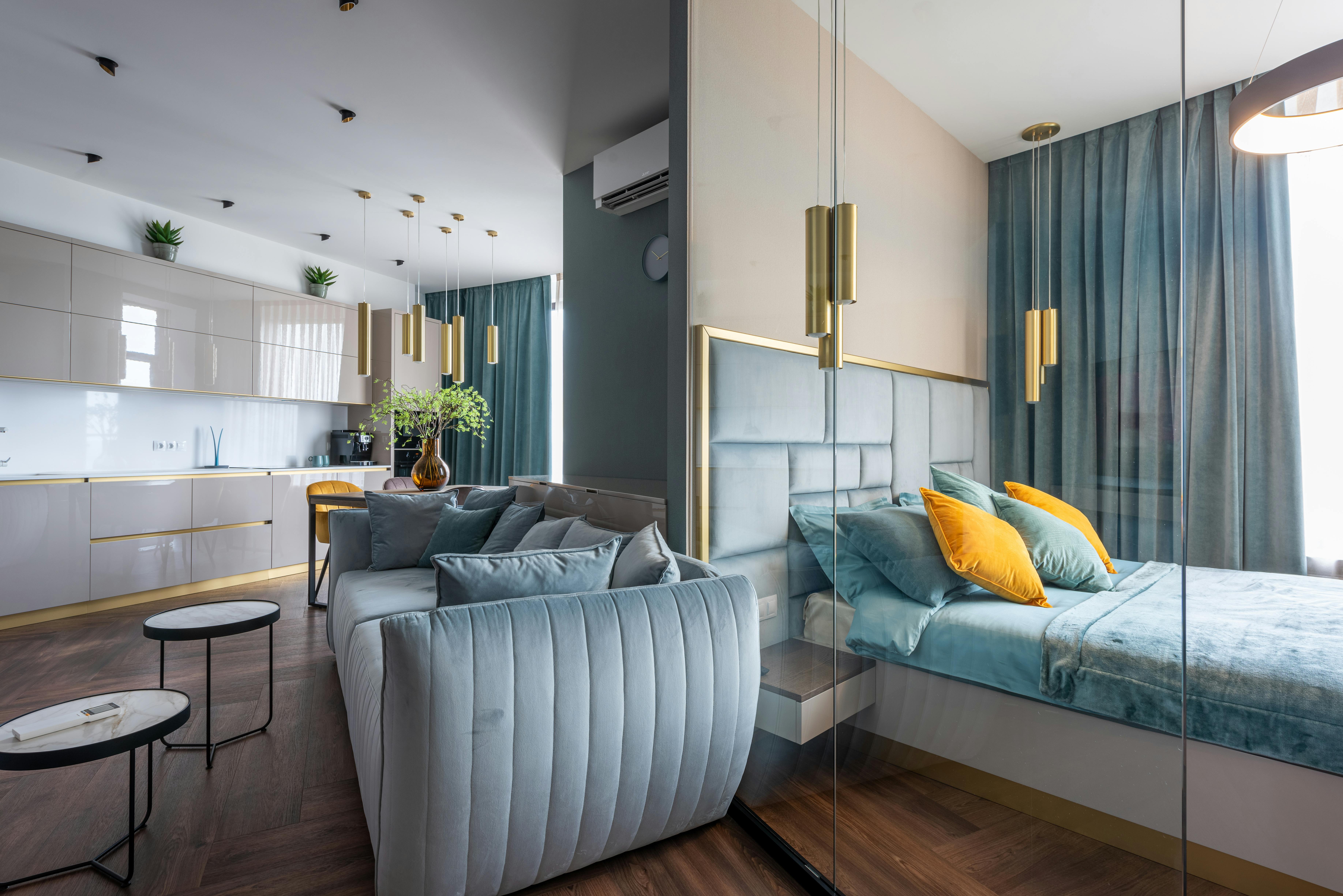
Living in such a small space requires careful planning and creativity. Efficient organization, multifunctional furniture, and minimalist decor are essential to make every square foot count. Beyond practicality, the tiny home lifestyle also encourages reflection on what possessions are truly necessary, fostering a mindful and sustainable approach to daily life.
Clever Space-Saving Furniture Solutions
In tiny homes, multifunctional furniture is a game-changer. Foldable tables, convertible sofas, and Murphy beds optimize space without sacrificing comfort or style. A foldable dining table can double as a workspace, while a sofa bed with built-in storage eliminates the need for extra furniture. Murphy beds, which tuck away into walls when not in use, can also incorporate desks or shelving, further enhancing functionality.
The key to successful tiny home design is selecting furniture that balances practicality with aesthetics, allowing homeowners to maximize their space creatively.
Open Floor Plans
Open layouts are vital in making small homes feel larger. Removing walls allows natural light to flow, creating an airy, seamless environment. Visual separation can still be achieved through rugs, furniture placement, or subtle decorative elements, maintaining defined zones without closing off the space.
Color differentiation, lighting, and multi-functional furniture help delineate areas while preserving the open, cohesive feel. Open floor plans not only optimize space but also foster a welcoming and connected living environment.
Utilizing Vertical Space
In small homes, looking up can be just as important as optimizing floor space. Wall-mounted shelves, tall storage units, and hanging plants draw the eye upward, creating the illusion of height and increasing storage. Vertical artwork and mirrors further enhance this effect, making the home feel expansive and dynamic.
Mirrors and Lighting
Mirrors amplify light and create depth, making a compact area feel larger. Placing mirrors opposite windows or in key visual zones can transform a room. Lighting, including layered ambient, task, and accent options, enhances brightness and warmth. Pendant lights, wall sconces, and under-cabinet lighting, combined with daylight bulbs, help maintain an inviting and open atmosphere.
Color Schemes and Minimalist Decor
Light colors like white, cream, and pastel shades reflect light and expand the perception of space, while monochromatic schemes maintain visual cohesion. Minimalist decor is crucial—select functional items that serve multiple purposes and avoid clutter. Thoughtful, intentional design creates a serene and open environment, allowing the home to feel larger than it is.
Smart Storage Solutions
Clever storage is the backbone of tiny living. Under-bed containers, built-in cabinets, and hidden compartments maximize every inch of space. Furniture with integrated storage, such as ottomans or coffee tables, keeps belongings organized without overcrowding. Regular decluttering ensures that the home remains functional, neat, and visually open.
Outdoor Integration
Extending living spaces outdoors enhances both functionality and comfort. Patios, decks, rooftop gardens, and well-placed greenery increase usable space and connect residents with nature. Large windows, sliding doors, and skylights bring in natural light and blur the line between indoor and outdoor areas, fostering a sense of openness.
Final Thoughts
Tiny living is about more than downsizing; it is about freedom, intentionality, and creativity. Thoughtful design, from multi-functional furniture and smart storage to open layouts and clever use of light, can make even a 200 sq ft home feel spacious and inviting.
Residents often report a heightened sense of mindfulness and satisfaction. As one tiny home owner noted, “I never realized how spacious a well-designed 200 sq ft could be. It’s all about using spaces cleverly!” Architect Andrew Morrison encapsulates the philosophy: “The essence of a tiny home is not about size, but about the freedom it creates. The less you own, the more you can experience.