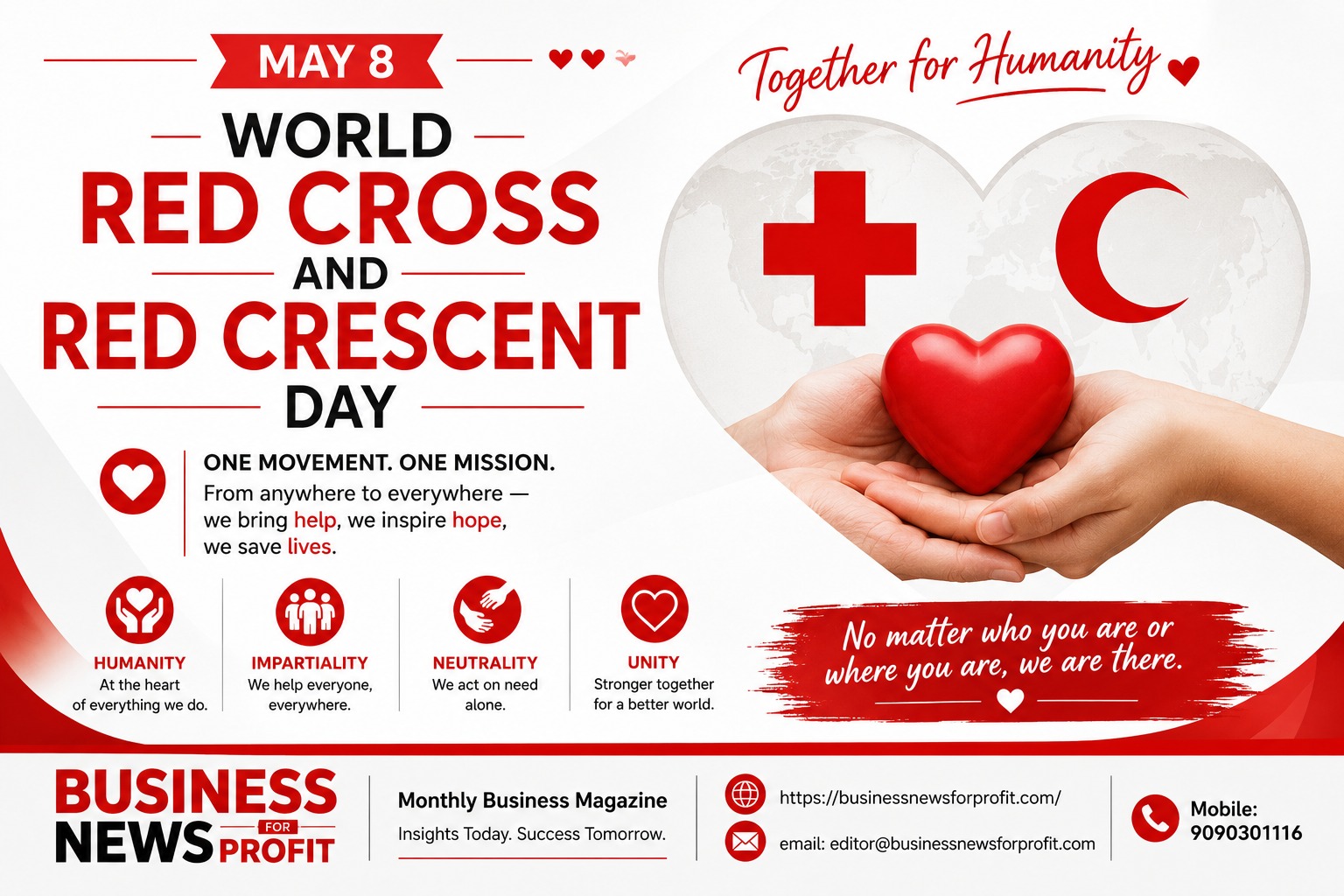
World Red Cross Day, observed annually on May 8, is a significant occasion dedicated to honoring the humanitarian mission of the Red Cross and Red Crescent Movement. This day commemorates the birth anniversary of Henry Dunant, the founder of the International Committee of the Red Cross (ICRC) and the first recipient of the Nobel Peace Prize. Since its recognition in 1948, World Red Cross Day has celebrated the tireless efforts of volunteers and staff who work to alleviate suffering and improve lives across the globe.
The Purpose of World Red Cross Day
The primary aim of this observance is to raise awareness about the humanitarian assistance provided by the Red Cross and Red Crescent societies worldwide.
Guided by the seven fundamental principles:
-
Humanity
-
Impartiality
-
Neutrality
-
Independence
-
Voluntary Service
-
Unity
-
Universality
World Red Cross Day emphasizes the ongoing need for humanitarian support, especially during crises such as natural disasters, conflicts, or public health emergencies. Through awareness campaigns, community outreach, and educational initiatives, the Red Cross promotes disaster preparedness, resilience, and a culture of mutual aid and solidarity among nations.
Historical Background
The roots of World Red Cross Day trace back to 1863, when Henry Dunant’s vision following the Battle of Solferino led to the establishment of the ICRC. Dunant’s experiences inspired the creation of a neutral organization dedicated to aiding wounded soldiers, laying the foundation for a global humanitarian movement. The first national Red Cross society was established in France, and the movement rapidly expanded worldwide, eventually contributing to the First Geneva Convention of 1864, which formalized the protection of the wounded in armed conflicts.
World Red Cross Day itself was officially recognized in 1948 to honor Dunant’s birthday, May 8. Today, it serves as a reminder of the enduring humanitarian principles that have guided the Red Cross for over a century and a half.
The Role of the Red Cross in Global Humanitarian Efforts
The Red Cross is renowned for its ability to respond swiftly to disasters and crises worldwide. Whether through earthquake relief, flood assistance, or pandemic response, the organization mobilizes volunteers and professionals to provide critical aid, including medical care, shelter, and psychological support.
Beyond emergency response, the Red Cross is deeply involved in health services such as blood donation programs, first aid training, and public health awareness. These initiatives help communities mitigate health risks and enhance access to essential services, particularly for vulnerable populations.
The Red Cross also engages in advocacy, promoting policies that protect human dignity and address the root causes of humanitarian crises. By fostering global solidarity and upholding principles of neutrality and impartiality, the organization remains a trusted voice in international humanitarian efforts.
Celebrating World Red Cross Day
World Red Cross Day is marked by a variety of events and activities across the globe. These include:
- Community Outreach and Awareness Campaigns: Seminars, workshops, and educational lectures inform the public about disaster preparedness, health emergencies, and the work of the Red Cross.
- Volunteer Engagement: Opportunities to participate in disaster response, community service, and blood donation drives highlight the importance of volunteerism.
- Fundraising Initiatives: Local events like charity walks, auctions, and donation drives help raise funds to support humanitarian programs.
- Social Media Campaigns: Online advocacy through posts, hashtags, and personal stories spreads awareness and encourages wider participation.
Each year, the Red Cross adopts a theme that reflects current humanitarian priorities. While the official theme for 2026 is yet to be announced, it is expected to emphasize community resilience, disaster preparedness, and the critical role of volunteers in humanitarian response. This focus underscores the power of collective action and the importance of empowering local communities in times of crisis.
Inspiring Messages from Red Cross Leaders
The Red Cross has always been guided by the wisdom of its leaders. Henri Dunant’s words, “Humanity is our mission, and we exist to protect those who are most vulnerable,” remain a cornerstone of the organization’s values. Current leaders reinforce this vision, highlighting the necessity of global solidarity and shared responsibility during crises. Their messages serve as a reminder that even small acts of kindness contribute to building a more compassionate world.
The Significance of World Red Cross Day Today
In a world facing increasing challenges from natural disasters to health crises and armed conflicts World Red Cross Day serves as a vital reminder of the importance of humanitarian action. It celebrates the dedication of volunteers and staff while encouraging individuals and communities to participate in meaningful ways. By supporting the Red Cross through volunteering, donations, or advocacy, each person can contribute to a global movement committed to alleviating suffering and promoting resilience.
Conclusion
World Red Cross Day is more than a commemoration it is a call to action. It reminds us of the power of compassion, volunteerism, and collective responsibility in building a better world. As we honor the Red Cross and its enduring mission, we are encouraged to participate actively in humanitarian efforts, ensuring that help reaches those who need it most. By standing together, we can strengthen communities, foster resilience, and uphold the timeless principles of humanity and solidarity.