


In recent years, smart hotels have transformed the hospitality industry by integrating advanced technologies that enhance guest experiences and streamline operations. These innovations respond to the growing demand for personalized services and convenience, allowing hotels to cater to the needs of modern travelers while improving efficiency. From check-in to room services, technology is reshaping how guests interact with hotel environments.
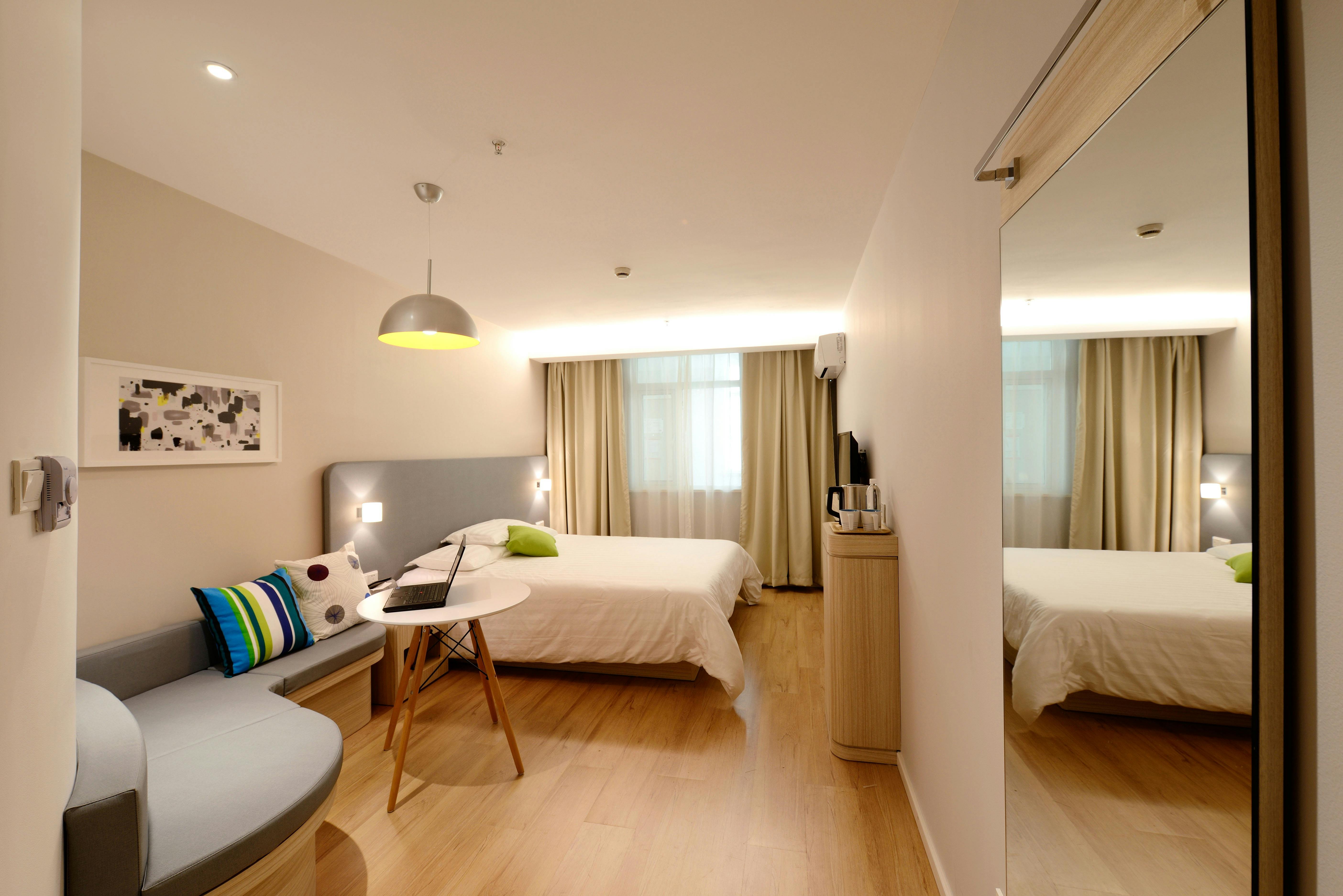
Smart Hotels: Tech-Driven Stays for Comfort and Convenience
Smart hotels are transforming the hospitality industry by integrating advanced technologies that enhance guest experiences, streamline operations, and promote sustainability. By using IoT devices, mobile apps, and automated systems, guests can control room temperature, lighting, and entertainment, complete contactless check-ins and check-outs, and request services seamlessly. Data analytics enables personalized experiences, while energy management, renewable energy, and water-saving technologies reduce environmental impact. Despite challenges like cybersecurity risks, high implementation costs, and staff training needs, smart hotels offer convenience, comfort, and eco-friendly practices, setting new standards for modern hospitality and redefining the way travelers interact with accommodations.
The Role of IoT in Hospitality
The Internet of Things (IoT) is central to the concept of smart hotels. Interconnected devices allow guests to control lighting, temperature, and entertainment systems through smartphones or voice commands. Smart thermostats optimize energy usage while enhancing comfort, and intelligent lighting systems can adapt to individual preferences, creating a personalized and welcoming environment. Additionally, voice assistants simplify tasks like ordering room service, scheduling wake-up calls, or accessing hotel information, making stays more convenient and enjoyable.
Mobile Apps and Guest Services
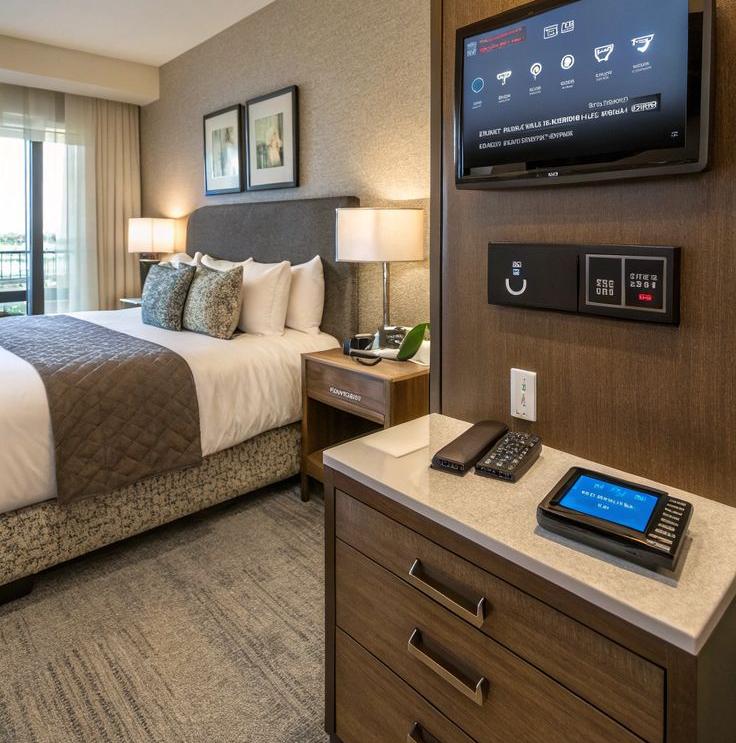
Mobile applications have become essential tools in smart hotels. They allow guests to complete check-in and check-out digitally, bypassing front desk queues, and request room service with just a few taps. These apps also provide personalized recommendations for local attractions, dining options, and hotel amenities. Real-time communication with hotel staff through mobile platforms ensures faster response times to guest requests, enhancing satisfaction and operational efficiency.
Automated Check-In and Check-Out
Automation is a key feature of smart hotels. Keyless entry systems, powered by Bluetooth, NFC, or QR codes, allow guests to access rooms without physical keys, improving security and convenience. Automated check-out systems enable seamless bill settlement through mobile apps or kiosks, reducing staff workload while providing a hassle-free experience for guests.
Smart Rooms: Comfort Meets Innovation
Smart rooms combine IoT devices with automation to offer guests full control over their environment. Through mobile apps or centralized control panels, guests can adjust lighting, climate, and entertainment preferences. Emerging technologies like virtual and augmented reality create immersive experiences, from interactive artwork to previews of local attractions. These features not only enhance comfort but also encourage guest loyalty and repeat visits.
Sustainability and Energy Management
Smart hotels prioritize sustainability alongside luxury. Intelligent energy management systems monitor real-time usage to optimize lighting, heating, and cooling. Renewable energy sources like solar panels reduce reliance on fossil fuels, while water-saving fixtures and smart irrigation systems lower resource consumption. Waste management systems track and minimize waste production, and guests can participate in eco-friendly practices, such as opting out of daily linen changes. These initiatives demonstrate how technology can promote environmental responsibility without compromising comfort.
Data Analytics and Personalization
Data analytics enable smart hotels to offer hyper-personalized experiences. By tracking guest behavior, booking patterns, and feedback, hotels can anticipate needs and provide tailored services. For example, a guest who frequently orders room service may receive personalized menu suggestions. Beyond individual preferences, data analysis improves operational efficiency by optimizing staffing and resource allocation, ultimately enhancing both guest satisfaction and profitability.
Challenges and Limitations
While smart hotel technologies provide numerous benefits, challenges remain. Cybersecurity is a major concern, as interconnected systems can expose sensitive guest information. High implementation and maintenance costs may deter some establishments, and staff require training to operate advanced systems effectively. Addressing these challenges is essential to fully realize the potential of smart technologies while maintaining guest trust and operational efficiency.
The Future of Smart Hotels
The future of hospitality is shaped by AI, IoT, and sustainability-focused innovations. Artificial intelligence enables hyper-personalized services, while IoT devices allow guests to control their room environment effortlessly. Contactless solutions, including mobile check-ins and digital keys, enhance convenience and safety. Energy-efficient systems and water-saving technologies address the growing demand for eco-conscious travel. By embracing these trends, smart hotels are poised to offer superior guest experiences while setting new industry standards.
Conclusion
Smart hotels are redefining hospitality by combining technology, data-driven personalization, and sustainable practices. From automated check-ins and smart rooms to energy management and mobile app-based services, these innovations enhance convenience, comfort, and efficiency. By addressing challenges like cybersecurity, implementation costs, and staff training, hotels can deliver seamless, eco-friendly, and memorable experiences, shaping the future of modern hospitality.