


Malkangiri, Apr 27(BNP): In the tribal-dominated district of Malkangiri, the traditional palm sap trade is flourishing and has emerged as a major source of livelihood for many tribal families. Roadside stalls selling the locally produced beverage, popularly known as Salap or Salpi, have become a common sight across the district, especially during the summer season.
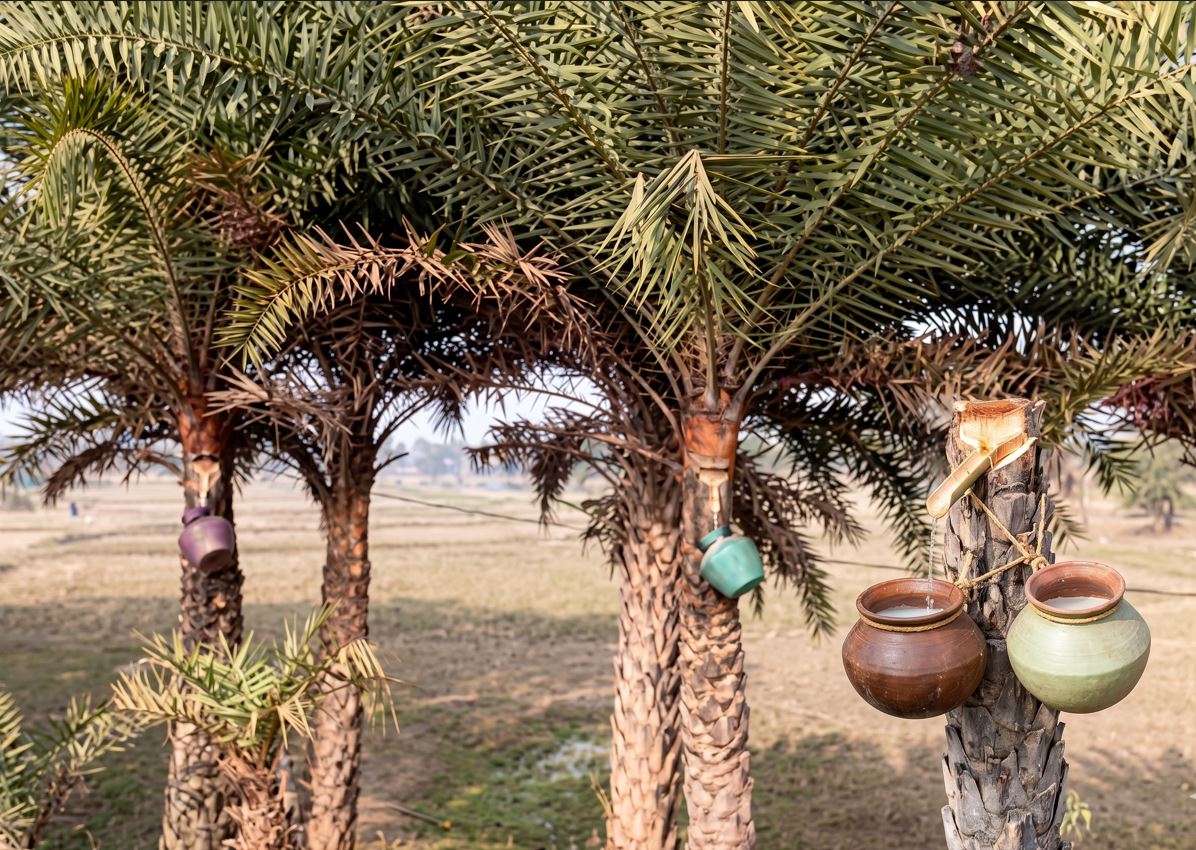
Salap, a natural beverage extracted from the sap of palm trees, is widely consumed in the region and is often referred to as a traditional local drink. Tribal gatherers collect the sap by carefully cutting a branch near the top of the tree and attaching a clay pot to store the liquid, which naturally ferments when exposed to air.
The trade has become particularly significant for tribal communities, including Particularly Vulnerable Tribal Groups (PVTGs) such as the Bonda and Didayi tribes, who depend on the seasonal business for income. The flourishing roadside market provides a steady source of earnings and reduces dependence on agriculture or migration for work.
Beyond its economic value, Salap holds cultural and social importance in the lives of local communities, where it is closely associated with traditional customs, gatherings, and festivals.
Officials and local observers note that the growing palm-based economy, including sap extraction and palm leaf handicrafts, is helping strengthen rural livelihoods and preserve indigenous traditions in the district.