


Mumbai, Apr 27: India’s leading organisations are redefining growth strategies by integrating brand, space, and customer experience into a unified framework, marking a significant shift in how businesses engage with consumers and stakeholders.
According to industry insights, retail leasing in India reached a record 8.9 million sq. ft. in 2025, driven not by expansion in inventory but by a strategic pivot toward experience-led environments. Market analysts such as CBRE highlight that brands are increasingly investing in flagship formats, immersive spaces, and interactive environments to enhance brand value beyond traditional sales metrics.
Simultaneously, India’s customer experience management market, valued at USD 1.14 billion in 2025, is projected to grow at a CAGR of 17.5% through 2032, positioning it among the fastest-growing business service sectors in the country.
A Strategic Convergence Across Functions
Historically, organisations operated in silos—brand identity managed by marketing, physical spaces handled as operational assets, and customer experience driven by service teams. This fragmented approach is now being replaced by an integrated model where all three elements function cohesively.
This shift is evident across sectors:
- Universities are developing immersive visitor centres to enhance engagement and conversions.
- Professional services firms are redesigning workspaces to reflect institutional identity.
- Healthcare and pharmaceutical companies are aligning brand systems to build trust across stakeholders.
Expert Perspective
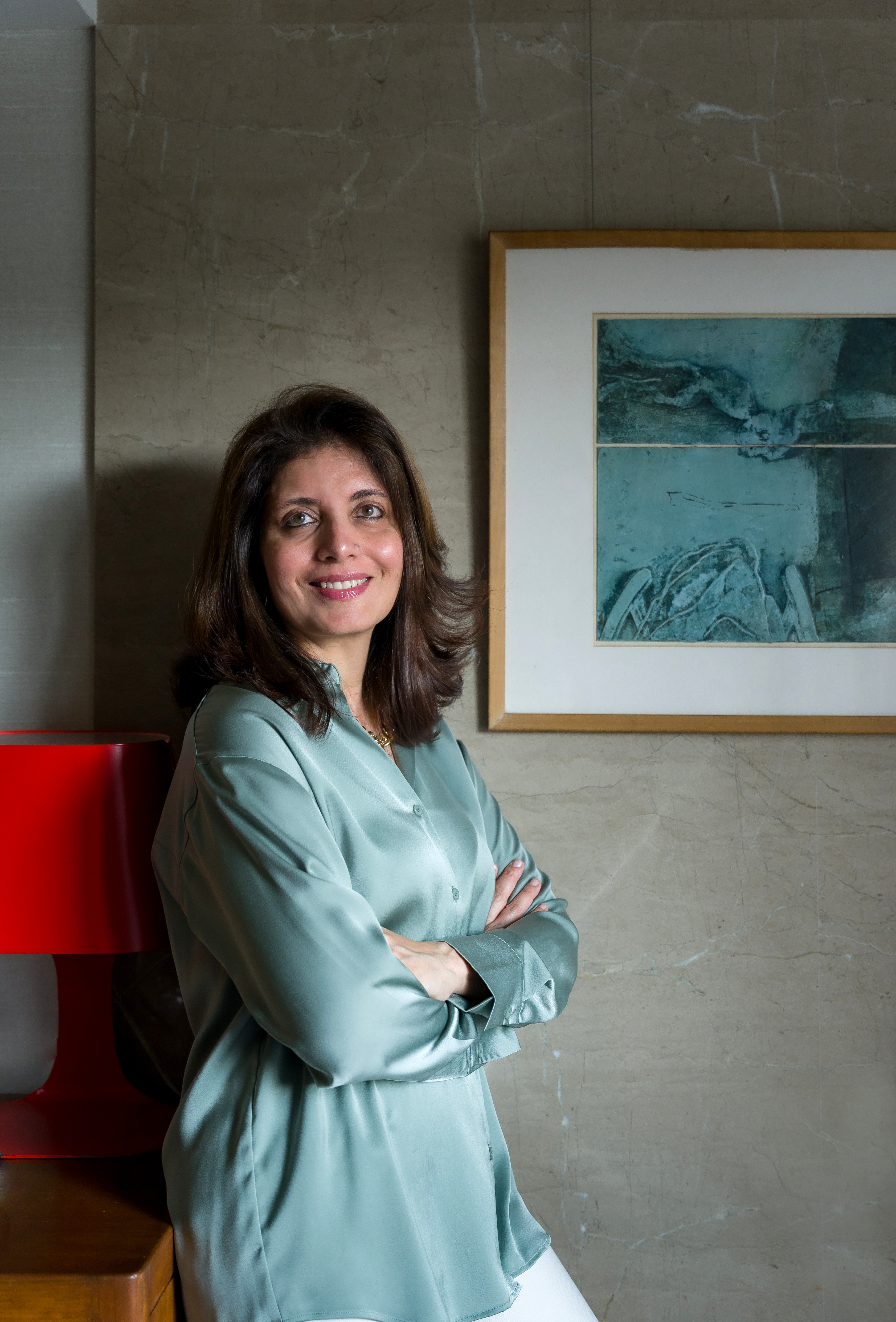
Shanoo Bhatia, Founder and Director of EuMo DesignIntelligence, who has worked with organisations such as Tata Group, Reliance Jio, Piramal Group, ICICI Bank, Aditya Birla Group, Cyril Amarchand Mangaldas, and Laurus Labs, emphasized the importance of alignment:
“The distance between what a brand promises and what it delivers in a physical environment is where trust breaks down. Organisations moving ahead are the ones that design brand, space, and experience together.”
Space as a Strategic Business Tool
Physical environments are increasingly being leveraged as tools for communication and conversion. For instance, Manipal University Jaipur developed an immersive visitor experience centre to enhance prospective student engagement, resulting in improved application rates.
Similarly, when Reliance Jio launched as a consumer brand, its internal workspaces were aligned with its external brand identity, reflecting a broader trend of integrating organisational culture with brand vision.
Data further supports this transformation. Reports indicate that nearly 90% of urban Indian consumers prefer experience-enhanced environments, reinforcing the growing importance of experiential design in influencing consumer behavior.
India’s Evolving Market Landscape
India’s retail and brand ecosystem is undergoing rapid transformation, with over 30 global brands entering the market in 2025 through experience-led formats. This has raised competitive benchmarks for domestic players, pushing them to adopt cohesive and immersive brand strategies.
At the same time, new-age Indian brands are being built with integrated design thinking at their core, linking customer experience directly to valuation and market positioning.
From Design to Strategy
The convergence of brand, space, and experience signals a broader evolution—design is no longer a finishing layer but a foundational business capability. Strategic transformations, such as those undertaken by Piramal Group and Cyril Amarchand Mangaldas, demonstrate how unified brand systems can drive measurable business outcomes.
As India enters its next phase of institutional and economic growth, organisations that invest in aligning brand identity, spatial design, and customer experience are expected to lead their respective sectors.
The capability is in place, and the data signals urgency. The next critical step lies in embedding design into core business strategy and decision-making at the highest levels.
