


A Journey That’s About to Change
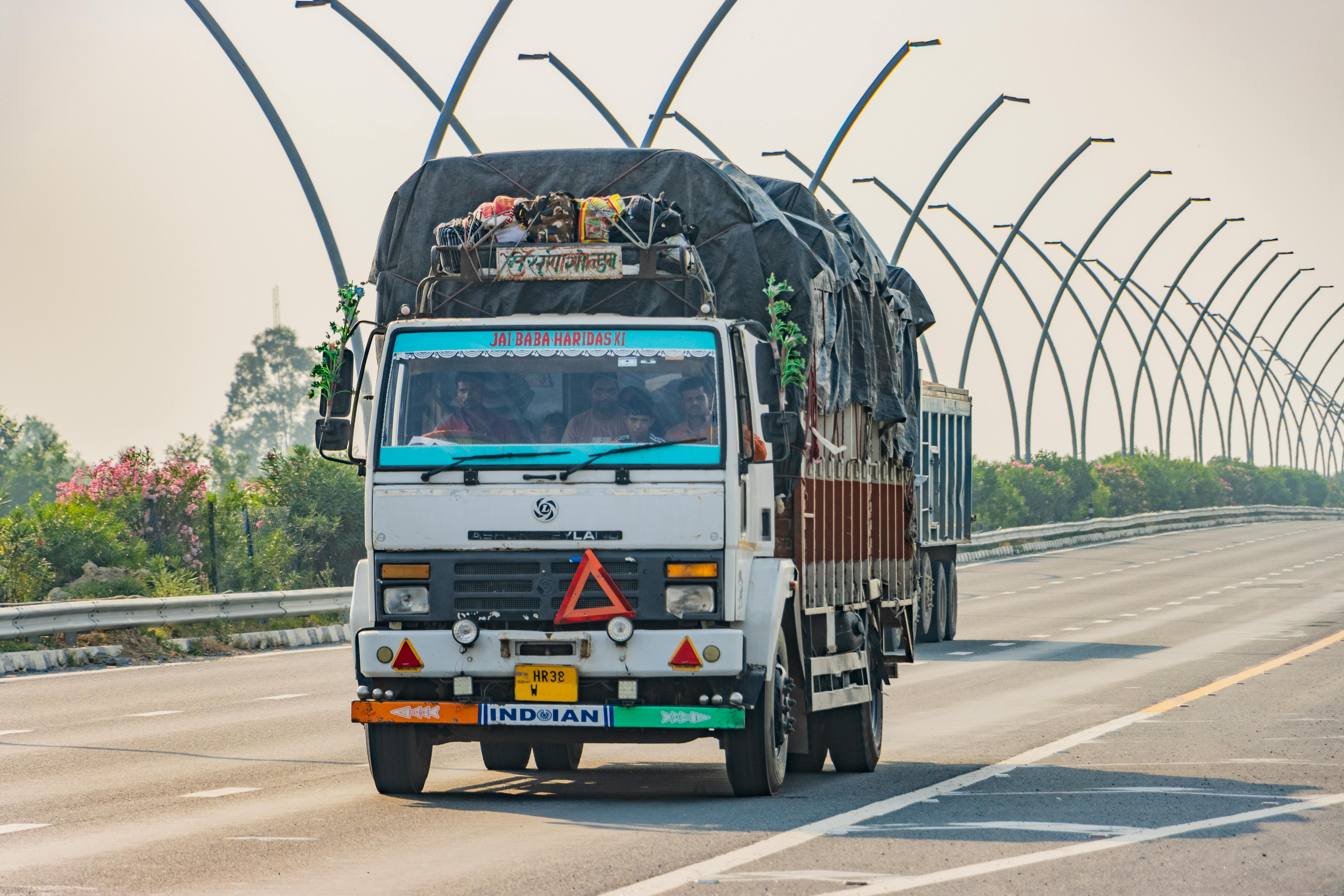
For anyone who has travelled from Delhi to Dehradun, the experience is familiar—early starts, unpredictable traffic, and a journey that stretches far longer than it should. What ought to be a straightforward trip often turns into a tiring, time-consuming drive. The Delhi–Dehradun Economic Corridor is expected to change that. Designed as a high-speed, access-controlled expressway, this roughly 210-kilometre stretch aims to cut travel time down to about two and a half hours. That’s not just a technical upgrade—it changes how people plan their travel altogether.
A Shift Toward Faster and More Efficient Governance
This project, developed by the National Highways Authority of India under the Bharatmala Pariyojana, reflects a broader shift in how infrastructure is being handled in India. Earlier, large projects had a reputation for dragging on endlessly, often stuck between approvals, land issues, and coordination gaps. That hasn’t disappeared completely, but things are moving faster now. There’s a visible push toward tighter timelines, better planning, and more accountability. The Delhi–Dehradun corridor fits into that pattern—it’s not just about building a road, but about building it with a clearer sense of urgency.
What It Means on the Ground
For a family planning a weekend trip, this could mean leaving after breakfast and reaching the hills before lunch. For transporters, it means fewer delays and lower fuel costs. For local businesses along the route, it opens up access to a much larger flow of people and goods. These are small shifts individually, but together they start to add up. Central Minister Nitin Gadkari has pointed out that the corridor is expected to improve connectivity while giving a boost to tourism and economic activity in the region. That sounds like a standard statement—but in practical terms, faster movement almost always translates into more business opportunities.
Strengthening the National Economy
Zoom out a bit, and the impact becomes clearer. Roads like these don’t just connect two cities—they quietly reshape how regions function. When transport becomes faster and more reliable, supply chains tighten, wastage drops, and businesses operate with more predictability. Over time, smaller towns begin to benefit as well, simply because they are no longer as isolated as before. As Ratan Tata once observed, “The growth of a nation is directly linked to the strength of its infrastructure.” It’s a simple line, but it explains why projects like this matter beyond immediate convenience.
Strategic and Social Relevance
That said, it’s not all straightforward progress. A part of the corridor passes through the Rajaji National Park, which raises valid environmental concerns. Measures like elevated sections and wildlife crossings have been included, and they do reduce the impact to some extent. But they don’t erase it. Increased access can also mean increased pressure on fragile ecosystems. So while the development is necessary, it comes with responsibilities that can’t be ignored.
Balancing Development and Environmental Responsibility
It’s easy to either overhype projects like this or dismiss them as routine. The truth sits somewhere in between. This corridor won’t transform the economy overnight, and it won’t solve deeper structural challenges on its own. But it does remove a major inefficiency, and that matters more than it sounds. Better roads don’t guarantee growth—but without them, growth slows down.
Infrastructure as a Foundation, Not a Shortcut
The Delhi–Dehradun Economic Corridor is, at its core, a practical upgrade. It makes travel faster, movement smoother, and connections stronger. More importantly, it reflects a larger push toward improving how infrastructure is planned and delivered in the country. If that momentum continues, projects like this won’t just change routes on a map—they’ll gradually change how people and businesses move, think, and grow across India.
