


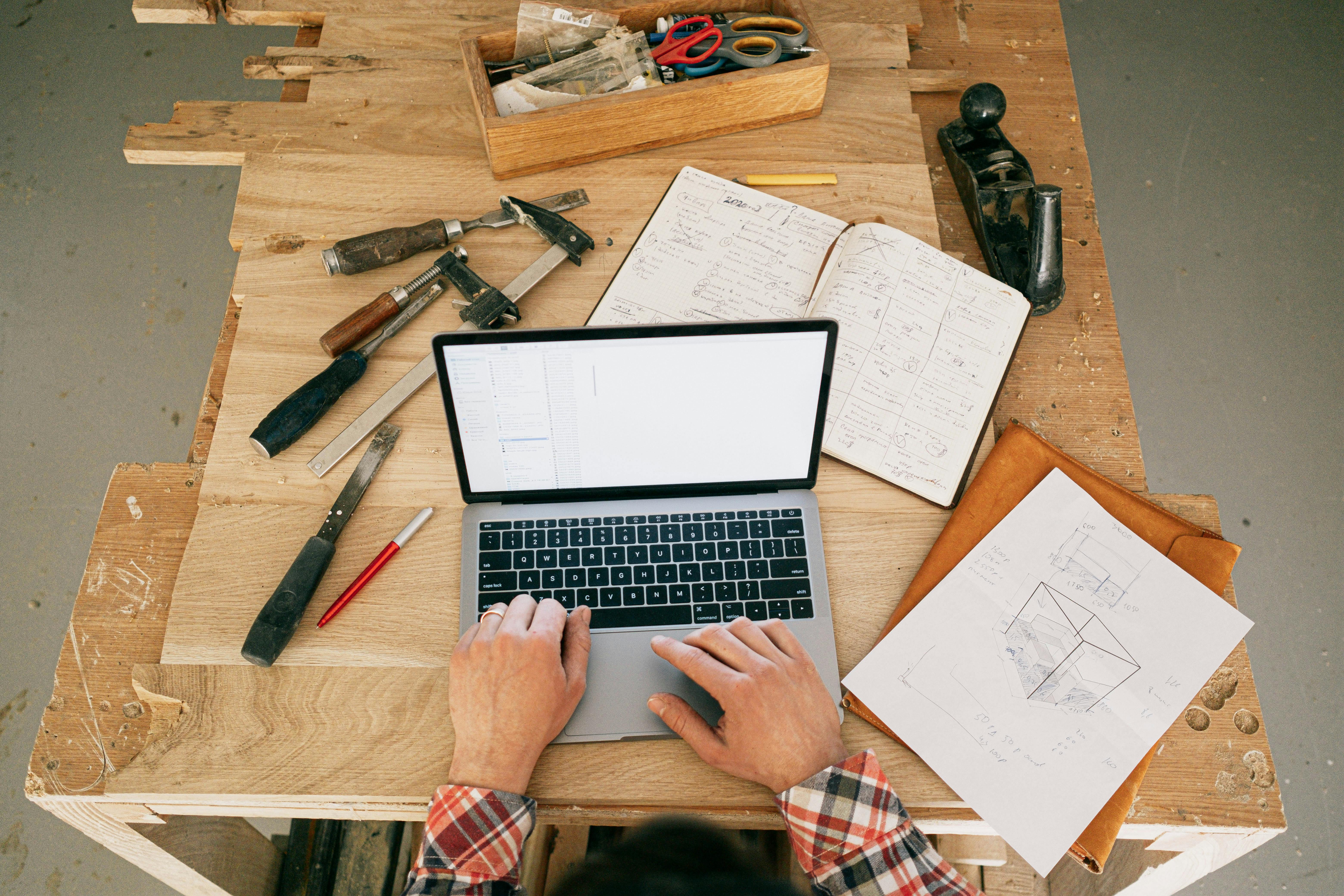
Education Should Prepare One for Life, Not Just Exams
Think about this honestly—most students can solve complex equations but struggle to fix a simple leaking tap or understand a basic electrical issue.
That’s not a small gap. That’s a problem.
Education today is heavily focused on marks and theory, but real life doesn’t work that way. Life demands practical understanding. Skills like carpentry, electrical work, and plumbing are not “extra”—they are basic life skills that every child should be exposed to.
Why These Skills Should Be Part of the Curriculum
We’ve been conditioned to think of these skills as “someone else’s job.” That mindset creates dependency.
When children learn these skills early:
▫️They become more independent
▫️They stop fearing practical tasks
▫️They start understanding how things actually work
It’s not about turning them into professionals. It’s about making them capable. And capability builds confidence faster than any textbook ever will.
The Gap Between Education and Reality
The current system trains students to perform well in exams. But real life situations don’t come with question papers.
When something breaks at home, when a system fails, or when a small repair is needed—most people don’t know where to start.
That’s where education fails short.
Teaching practical skills bridges that gap. It connects learning with real-world application.
What Other Countries Follow
This is not a new idea.
Countries like Germany have built entire systems where students learn both academics and hands-on skills together.
In Finland, children are taught practical skills early, making them more independent and confident.
Switzerland also treats vocational skills with equal respect, not as a backup option.
The pattern is clear—where skills are respected, students are better prepared for life.
How These Skills Can Be Taught in Schools
If schools try to teach this like a theory subject, it will fail immediately. This has to be practical.
Simple changes can make a big difference:
▫️Weekly hands-on sessions
▫️Basic workshops for carpentry, electrical, and plumbing
▫️Small projects like fixing, building, or assembling things
▫️Learning by doing, not by memorising
The goal is exposure, not perfection.
When Should Training Begin
Introducing these skills at the right age matters.
Children should start early:
▫️At a young age, just observing and understanding
▫️In middle school, trying simple tasks
▫️In higher classes, taking up more structured activities
If introduced early, these skills become natural—not something to be afraid of.
What Other Skills Can Be Included
If we’re serious about real education, we shouldn’t stop with just a few skills.
Children should also learn:
▫️Basic home management
▫️Cooking and nutrition
▫️Financial literacy
▫️Gardening and sustainability
▫️Basic digital repairs
These are not “extra subjects.” These are life essentials.
The Real Benefits That Most People Miss
Most people assume the benefit is just practical knowledge. That’s surface-level thinking.
The real impact is deeper. Children start to thinking independently. They begin to solve problems on their own. They understand and respect all types of work. Eventually these steps will help them to exlore different career paths.
It also changes how they see society. No job feels “less important” when they understand the skill behind it.
Our Mindset Marks the Barrier
Let’s be honest—the biggest problem is not infrastructure. It’s mindset.
As long as people think these skills are “low-level,” students will never take them seriously. That thinking needs to change.
The reality is simple. A person who can both think and do will always be more capable than someone who can only think.
The Real Takeaway
Teaching carpentry, electrical work, and plumbing in schools is not about creating workers.
It’s about creating individuals who are confident, independent, and prepared for real life.
Education should not stop at knowledge. It should build ability. Because in the end, knowing something is useful—but being able to do something is powerful.
