


Photography today is no longer limited to capturing memories—it has become one of the most exciting and future-ready career choices for students after Class 12. In a world dominated by digital content, branding, and visual storytelling, photography now sits at the intersection of creativity, technology, and communication.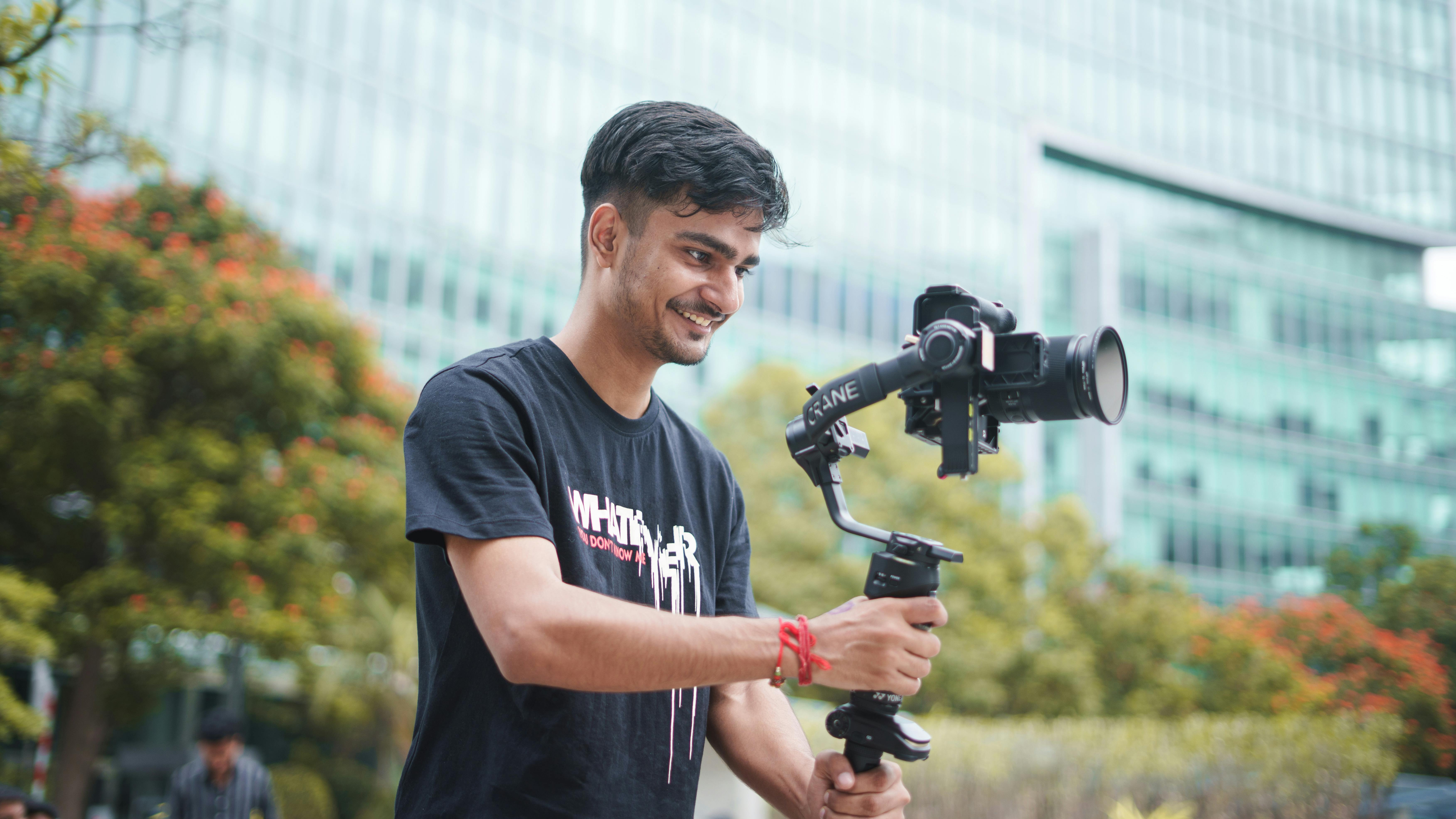
From fashion campaigns and weddings to wildlife documentaries and e-commerce catalogues, photographers are shaping the way the world sees stories, products, people, and experiences. What was once considered a hobby has evolved into a serious profession with multiple academic and career opportunities.
Photography: More Than Just Clicking Pictures
“Today photography is far more than just clicking pictures it is how a generation expresses itself. From social media to professional platforms, visuals have become the first language people understand. A single image can tell a story, build a brand, or capture a moment that words often cannot. Simply having an interest in photography is not enough. What truly matters is building a career with it developing skills, finding a category, and staying consistent. When approached seriously, photography can offer both creative satisfaction and a stable future. In the end, it is not just about passion; it is about turning that passion into something meaningful and sustainable.”
— Pratyush Piyush Mohanty, Real Estate & Construction Professional and Former Reporter
That sentiment reflects the changing landscape of the profession. Photography today demands not only artistic vision but also technical knowledge, adaptability, and business understanding.
Why Students Are Choosing Photography After 12th
With the growth of social media, advertising, influencer marketing, and online businesses, the demand for skilled photographers has increased significantly. Brands need product photographers, media houses need visual storytellers, and individuals seek professionals for weddings, portraits, and events.
Students from Science, Commerce, or Arts backgrounds can all pursue photography after completing 10+2, making it one of the most accessible creative career options.
For many young people, photography offers:
- Creative freedom and self-expression
- Opportunities in multiple industries
- Freelancing and entrepreneurship options
- Global career prospects
- A chance to turn passion into profession
Academic Pathways in Photography
Students interested in formal education can choose from a variety of courses offered by institutes across India.
Diploma Courses
Short-term diploma programmes, usually lasting six months to one year, focus on practical training in camera handling, lighting, editing, and composition. These are ideal for beginners who want quick industry exposure.
Bachelor’s Degree Programmes
Three-year undergraduate courses provide deeper understanding of photography techniques, digital imaging, creative arts, and specialisations such as fashion, wildlife, travel, and documentary photography.
Master’s Degree Programmes
For students seeking advanced expertise, postgraduate programmes focus on conceptual photography, portfolio building, visual storytelling, and creative direction.
Skills That Matter
A successful photographer needs more than a camera. Courses help students develop both technical and soft skills, including:
- DSLR and mirrorless camera operation
- Studio and natural lighting techniques
- Editing with Adobe Photoshop and Adobe Lightroom
- Composition and framing
- Colour theory and visual aesthetics
- Communication and client handling
- Time management and adaptability
Specialisations with High Demand
Photography offers multiple niches, allowing students to choose based on interest and market demand:
- Fashion Photography
- Product Photography
- Wedding & Event Photography
- Wildlife Photography
- Travel Photography
- Food Photography
- Street Photography
- Photojournalism
- Fine Art Photography
The Traveler’s Perspective
Aneesh Sunil, a Deloitte employee and avid traveler, believes photography should be introduced earlier in education.
“Being an avid traveler, I wish institutions would add photography as a course in the curriculum, as it helps students develop creativity, storytelling skills, technical expertise, and a deeper appreciation for culture, nature, and the world around them.”
His view highlights how photography can nurture observation, patience, curiosity, and global awareness—skills valuable far beyond the profession itself.
Future Scope: A Growing Industry
The future of photography looks brighter than ever. Emerging trends are creating new opportunities in:
- Drone Photography
- AI-powered Editing
- Social Media Content Creation
- E-commerce Product Imaging
- Digital Advertising
- Virtual and Immersive Media
As businesses and creators continue to rely on visuals, photography remains a career with strong long-term relevance.
Final Frame
Photography is one of the few professions where art meets opportunity. It allows students to build a career that is creative, flexible, and constantly evolving. With the right training, discipline, and consistency, students can transform a passion for pictures into a meaningful and sustainable future.
In the end, photography is not just about seeing the world—it is about showing it in a way no one else can.
