


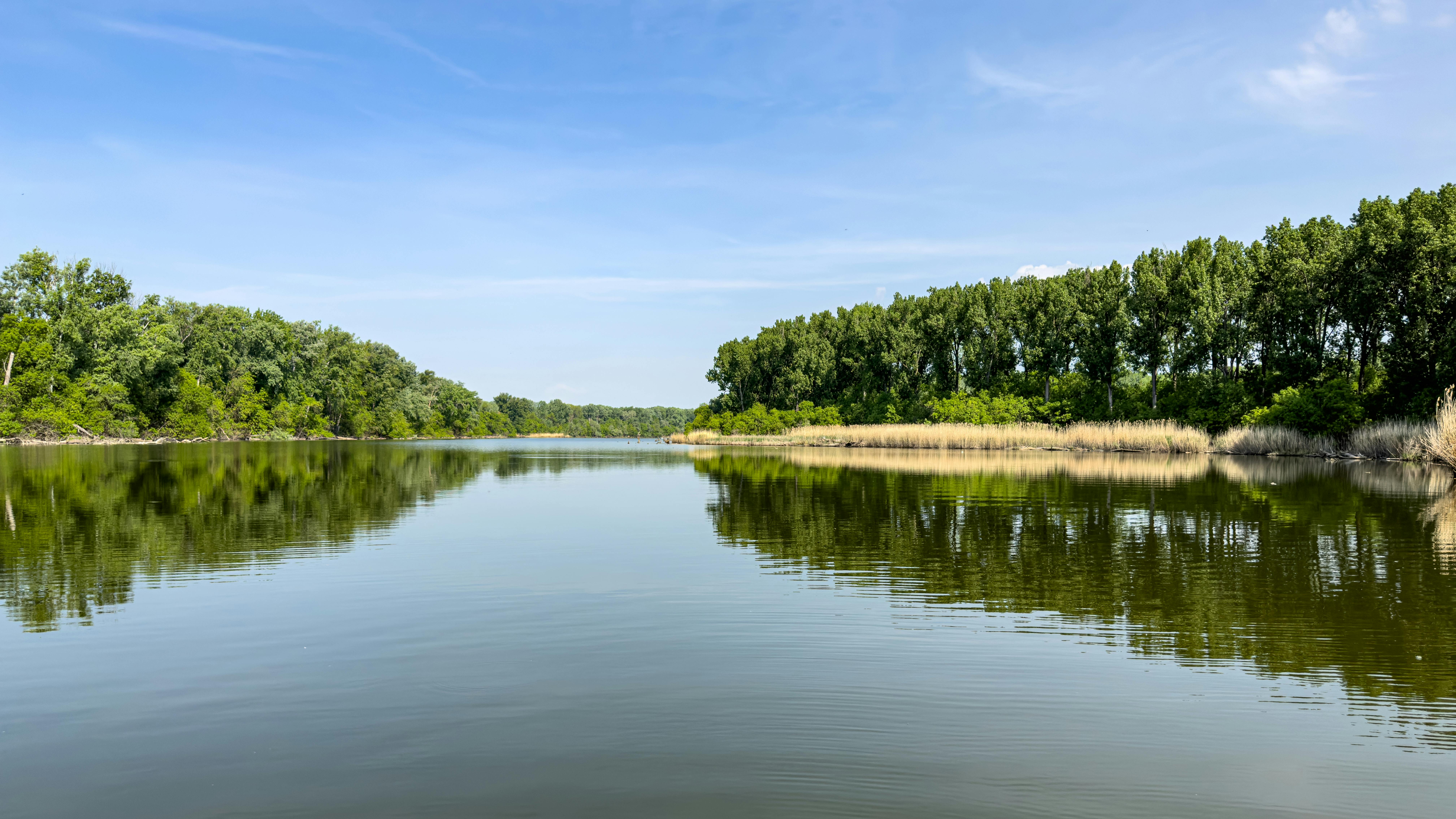
Surface water, including rivers, lakes, and streams, is a vital natural resource that supports life on Earth and forms an important part of interconnected ecosystems. Living organisms such as plants, animals, and microorganisms depend on clean water, while environmental factors like soil and climate influence its quality. Maintaining good surface water quality is essential for protecting biodiversity, ensuring ecosystem stability, and preserving the essential services these ecosystems provide to both humans and wildlife.
Understanding Ecosystems and the Role of Surface Water
Ecosystems function as interconnected networks where each component helps maintain natural balance. Surface water serves as a crucial link between terrestrial and aquatic environments by supporting food chains, regulating temperature, and transporting essential nutrients needed for biological processes.
When water quality declines, these interactions are disrupted. Polluted water can harm aquatic organisms, reduce reproductive success in fish and amphibians, and weaken entire food webs, eventually leading to ecosystem imbalance and loss of biodiversity. Monitoring and solutions such as water quality testing near me Bhubaneswar can help identify contamination early and support efforts to protect and restore healthy ecosystems.
Importance of Water Quality in Ecosystem Stability
Water quality is a key factor in maintaining healthy and stable ecosystems. It ensures proper nutrient cycling, which allows essential elements like nitrogen and phosphorus to move through the environment and support plant growth.
When water becomes contaminated, nutrient cycles are disrupted. Excess nutrients can trigger harmful algal blooms that reduce oxygen levels in water bodies. This creates oxygen-depleted zones where aquatic life cannot survive, severely damaging ecosystem health and productivity.
Key Factors That Affect Surface Water Quality
Surface water quality is influenced by both natural processes and human activities. One of the most significant threats is agricultural runoff, where fertilizers and pesticides enter water bodies through rainfall and irrigation. These pollutants increase nutrient levels and lead to water contamination.
Industrial discharge is another major issue. Factories may release chemicals, heavy metals, and organic waste into nearby rivers and lakes, making water unsafe for both ecosystems and human use. Urban development also contributes by increasing surface runoff from roads and buildings, carrying pollutants such as oil, plastics, and debris into water systems.
Methods Used in Surface Water Quality Research
Researchers use multiple scientific methods to study water quality and ecosystem health. Laboratory testing helps identify chemical, biological, and microbial contaminants with high accuracy. However, results depend on sample timing and location.
Field sampling provides real-time environmental data directly from water bodies, helping researchers understand local variations. Remote sensing technology uses satellites and drones to monitor large water areas and detect changes such as algal blooms or turbidity levels.
Strategies for Reducing Surface Water Pollution
Reducing water pollution requires coordinated action from governments, communities, and industries. Community involvement plays a key role through clean-up drives, awareness programs, and local monitoring initiatives that help protect nearby water bodies.
Best management practices also help reduce pollution at the source. In agriculture, buffer zones, crop rotation, and reduced chemical use can minimize runoff. In urban areas, green infrastructure like permeable pavements and rain gardens helps filter stormwater before it enters natural water systems.
Role of Environmental Policy in Water Protection
Environmental policies are essential for maintaining and improving surface water quality. Local governments manage pollution through zoning laws, urban planning, and water quality standards tailored to regional needs.
These policies ensure that scientific research is translated into practical actions for environmental protection.
Community Participation in Water Quality Monitoring
Community involvement strengthens water quality research and environmental protection efforts. Local residents often observe environmental changes first and can contribute valuable information to researchers.
Such participation builds responsibility and encourages long-term protection of local water resources.
Future Trends in Surface Water Quality Research
The future of water quality research is moving toward advanced technology and integrated approaches. Tools like satellite monitoring, remote sensing, and artificial intelligence are improving real-time tracking of water conditions. These technologies help detect pollution events earlier and improve response strategies.
Interdisciplinary research combining ecology, hydrology, and data science is also becoming more common. Additionally, integrated water resource management focuses on balancing environmental protection with human needs through collaborative planning.
Conclusion: Protecting Surface Water for a Sustainable Future
Surface water quality is essential for maintaining ecosystem balance, supporting biodiversity, and sustaining life. However, it is increasingly threatened by pollution from human activities and the impacts of climate change. Protecting and restoring these water systems requires a combined effort involving scientific research, effective environmental policies, community participation, and modern technology. Ensuring clean surface water is crucial for the long-term health of ecosystems and the sustainability of the planet.
