


Irrigation is essential in modern agriculture, allowing farmers to supply water in areas with unreliable rainfall and ensuring crops receive adequate moisture for healthy growth. It supports vital plant processes like photosynthesis, nutrient absorption, and temperature regulation, leading to improved yield and better-quality produce. Additionally, reliable irrigation systems help farmers maintain consistent production throughout the year, reduce dependence on unpredictable weather, and enhance economic stability while promoting better soil management and resilience against drought.
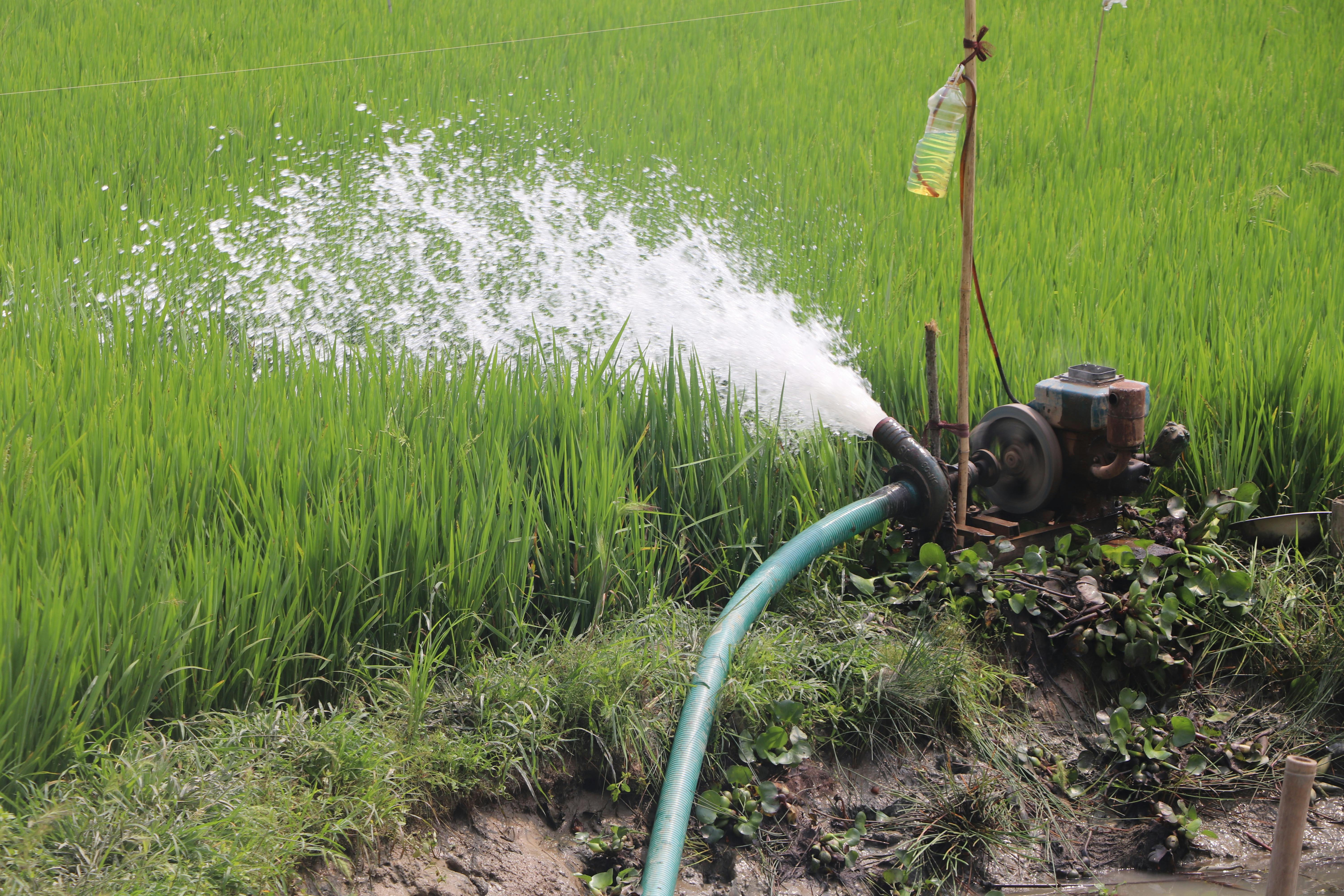
Understanding Irrigation Water Testing
To maximize the benefits of irrigation, it is essential to evaluate how effectively water is being used. Irrigation testing is a practical approach that helps farmers measure system performance and optimize water distribution. In this context, accessing a reliable water testing lab Bhubaneswar is highly beneficial, as it allows farmers to analyze water quality, detect contaminants, and ensure that the water used for irrigation is safe and suitable for crops. Regular testing not only improves irrigation efficiency but also supports healthier plant growth and sustainable farming practices.
This process involves assessing factors such as:
- Water distribution across fields
- Soil moisture levels
- Crop-specific water requirements
Simple tools like flow meters and catch cans can be used to measure how evenly water is applied, while soil moisture sensors and tensiometers provide insights into how much water is available to plants. By identifying areas of overwatering or under-watering, farmers can make precise adjustments that conserve water and improve crop health.
Types of Irrigation Systems
Different irrigation methods are suited to different crops, soils, and climates. The most common systems include:
Drip Irrigation
This highly efficient system delivers water directly to the root zone through tubes and emitters. It minimizes water loss and reduces weed growth, making it ideal for high-value crops like fruits and vegetables.
Sprinkler Irrigation
Sprinklers distribute water in a manner similar to rainfall, covering large areas effectively. While versatile, they can lose efficiency in windy conditions and may increase the risk of leaf diseases if not managed properly.
Surface Irrigation
This traditional method relies on gravity to spread water across the soil surface. It is cost-effective but less precise, often leading to uneven water distribution. It works best for crops like rice that tolerate standing water.
Choosing the right system depends on factors such as crop type, soil characteristics, and available resources.
The Importance of Clean Water
Water quality is just as important as water availability. Irrigation water can come from rivers, lakes, groundwater, or reservoirs, but it must be free from harmful contaminants such as chemicals, heavy metals, and pathogens.
Using polluted water can:
- Damage crops and reduce yields
- Degrade soil quality
- Pose health risks to consumers
Clean water, on the other hand, supports soil structure, promotes beneficial microbial activity, and enhances long-term agricultural sustainability. Regular water testing is therefore essential to ensure safe and productive farming.
Practical Techniques for Irrigation Testing
Farmers can adopt several simple yet effective methods to evaluate their irrigation systems:
- Measuring water application: Using containers like catch cans to assess distribution uniformity
- Monitoring soil moisture: Through sensors or manual inspection to determine irrigation needs
- Evaluating system efficiency: Comparing water input with crop response
These techniques help refine irrigation schedules and improve overall water management.
Data Analysis for Better Decisions
Collecting data is only the first step interpreting it is equally important. Tools like spreadsheets or agricultural software can help farmers analyze patterns in soil moisture, crop performance, and water usage.
Advanced technologies such as Geographic Information Systems (GIS) allow for spatial analysis, helping farmers understand how factors like soil type and terrain affect irrigation. With better insights, farmers can adopt precision irrigation practices that reduce waste and maximize productivity.
Real-World Impact of Irrigation Testing
Farmers worldwide have successfully improved their operations through irrigation testing:
- A vineyard reduced water use significantly while increasing yield by using soil moisture monitoring.
- A dairy farm improved pasture growth and minimized environmental impact by optimizing irrigation schedules.
- A vegetable farm in a dry region enhanced crop quality and profitability through drip irrigation and system testing.
These examples highlight how data-driven irrigation can boost both efficiency and sustainability.
Future Innovations in Irrigation
Emerging technologies are transforming irrigation practices. Automated systems, smart sensors, and data analytics are enabling farmers to deliver precise amounts of water based on real-time conditions.
These innovations:
- Reduce labor and water waste
- Improve crop resilience
- Support sustainable farming under changing climate conditions
As technology advances, irrigation is becoming more precise, efficient, and environmentally friendly.
Conclusion
Sustainable irrigation is essential for meeting the growing global demand for food. By combining clean water usage with effective irrigation testing, farmers can enhance crop productivity while conserving valuable resources.
Adopting modern techniques and technologies not only improves agricultural outcomes but also protects the environment for future generations. Moving forward, a strong focus on efficient water management will be key to building resilient and sustainable farming systems worldwide.
