


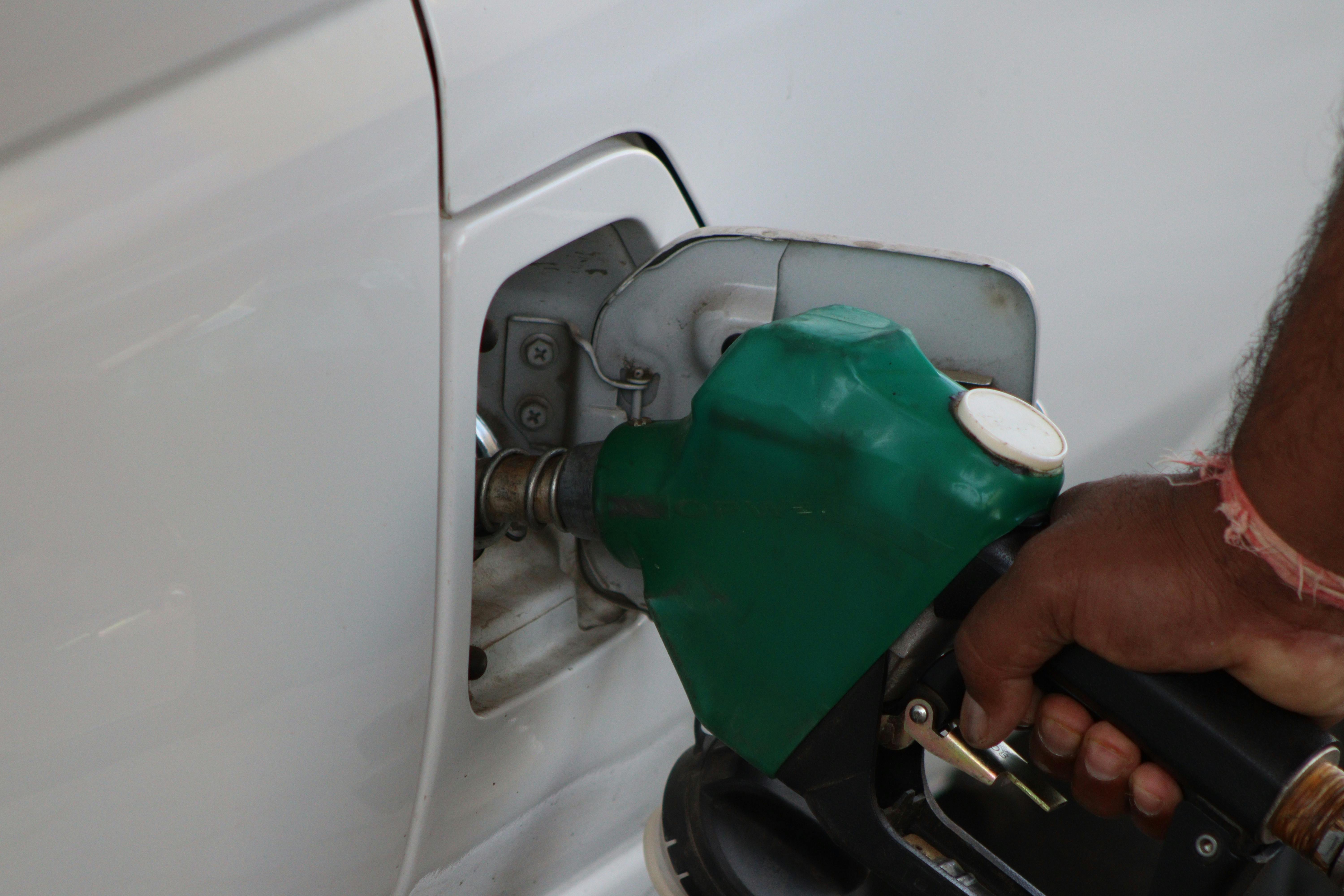
Mar 28: As India accelerates its transition toward cleaner mobility, the introduction of E20 fuel—petrol blended with 20% ethanol—marks a significant milestone. Effective April 1, the government’s push for higher ethanol blending aims to reduce dependence on fossil fuel imports, cut emissions, and promote sustainable energy practices. But what does this shift mean for everyday car owners across the country?
Here’s a comprehensive guide to understanding E20 fuel and how you can prepare your vehicle for the change.
What is E20 Fuel?
E20 is a blend of 20% ethanol and 80% petrol. Ethanol, typically derived from sugarcane, maize, or other biomass, is a renewable fuel that burns cleaner than conventional petrol. India has already been using E10 (10% ethanol blend) for a few years, and the move to E20 is part of a broader roadmap to achieve energy security and environmental goals.
Why is India Moving to E20?
The transition to E20 aligns with India’s commitment to reducing carbon emissions and lowering crude oil imports. Ethanol blending helps:
Reduce greenhouse gas emissions
Support domestic agriculture and biofuel industries
Decrease reliance on imported fuel
Promote a circular economy
This initiative is also expected to bring long-term economic benefits while contributing to India’s climate targets.
Is Your Car E20-Compatible?
One of the biggest concerns for car owners is compatibility. Not all vehicles currently on Indian roads are designed to run on E20 fuel.
New Vehicles (Post-2023 models): Many automakers have started producing E20-compatible engines. Check your vehicle manual or manufacturer’s website to confirm.
Older Vehicles: Cars manufactured before 2020 may not be fully compatible with E20. Prolonged use could lead to engine wear, corrosion, or reduced efficiency.
If you’re unsure, consult your car dealer or service center before switching to E20.
What Happens If You Use E20 in a Non-Compatible Car?
Using E20 fuel in older or non-compatible vehicles may lead to:
Reduced fuel efficiency (ethanol has lower energy density)
Engine knocking or performance issues
Wear and tear of rubber and plastic components
Corrosion in fuel systems
While occasional use may not cause immediate damage, consistent use could affect long-term engine health.
What Should Car Owners Do?
To ensure a smooth transition, here are some practical steps:
1. Check Manufacturer Guidelines
Always refer to your vehicle’s user manual. Automakers often specify the maximum ethanol blend your car can handle.
2. Consider Gradual Transition
If your vehicle supports up to E10 or E12, avoid sudden full-time use of E20. Monitor performance and mileage closely.
3. Regular Maintenance is Key
With ethanol blends, maintaining your vehicle becomes even more critical. Schedule regular servicing, especially for:
Fuel filters
Fuel injectors
Rubber seals and hoses
4. Use Quality Fuel Stations
Opt for reputed fuel stations that ensure proper blending standards. Poor-quality fuel can worsen engine issues.
5. Watch for Warning Signs
Be alert to signs like reduced mileage, engine knocking, or difficulty starting. These could indicate compatibility issues.
Will Mileage Be Affected?
Yes, slightly. Ethanol contains less energy than petrol, so E20 fuel may result in a marginal drop in mileage—typically around 6–8%. However, this is often offset by environmental benefits and potential cost advantages in the long run.
Impact on Two-Wheelers and Other Vehicles
While the focus is often on cars, two-wheelers and commercial vehicles are also part of the transition. Many newer bikes are being designed to handle higher ethanol blends, but older models may face similar compatibility challenges.
The Road Ahead for Indian Mobility
The rollout of E20 fuel is a stepping stone toward a greener automotive future. Automakers are already investing in flex-fuel engines and alternative technologies to support this shift. Over the next few years, E20 compatibility is expected to become standard across most new vehicles in India.
Final Thoughts
The introduction of E20 fuel from April 1 is a progressive move, but it requires awareness and preparation from car owners. Understanding your vehicle’s compatibility, maintaining it well, and making informed fuel choices will help you adapt seamlessly.
While there may be short-term adjustments, the long-term benefits—both environmental and economic—make E20 a crucial part of India’s sustainable mobility journey.
Before your next fuel stop, take a moment to check: Is your car ready for E20?
