


Visakhapatnam, Mar 25: Doctors at KIMS Hospitals, Seethammadhara, successfully treated a 65-year-old man who was at high risk of a fatal stroke due to critical blockages in key arteries supplying blood to the brain. According to the treating team, the patient had been experiencing recurrent episodes of giddiness for nearly a month. He later developed sudden weakness on one side of the body and was initially evaluated in Srikakulam before being referred to KIMS Seethammadhara for advanced treatment.
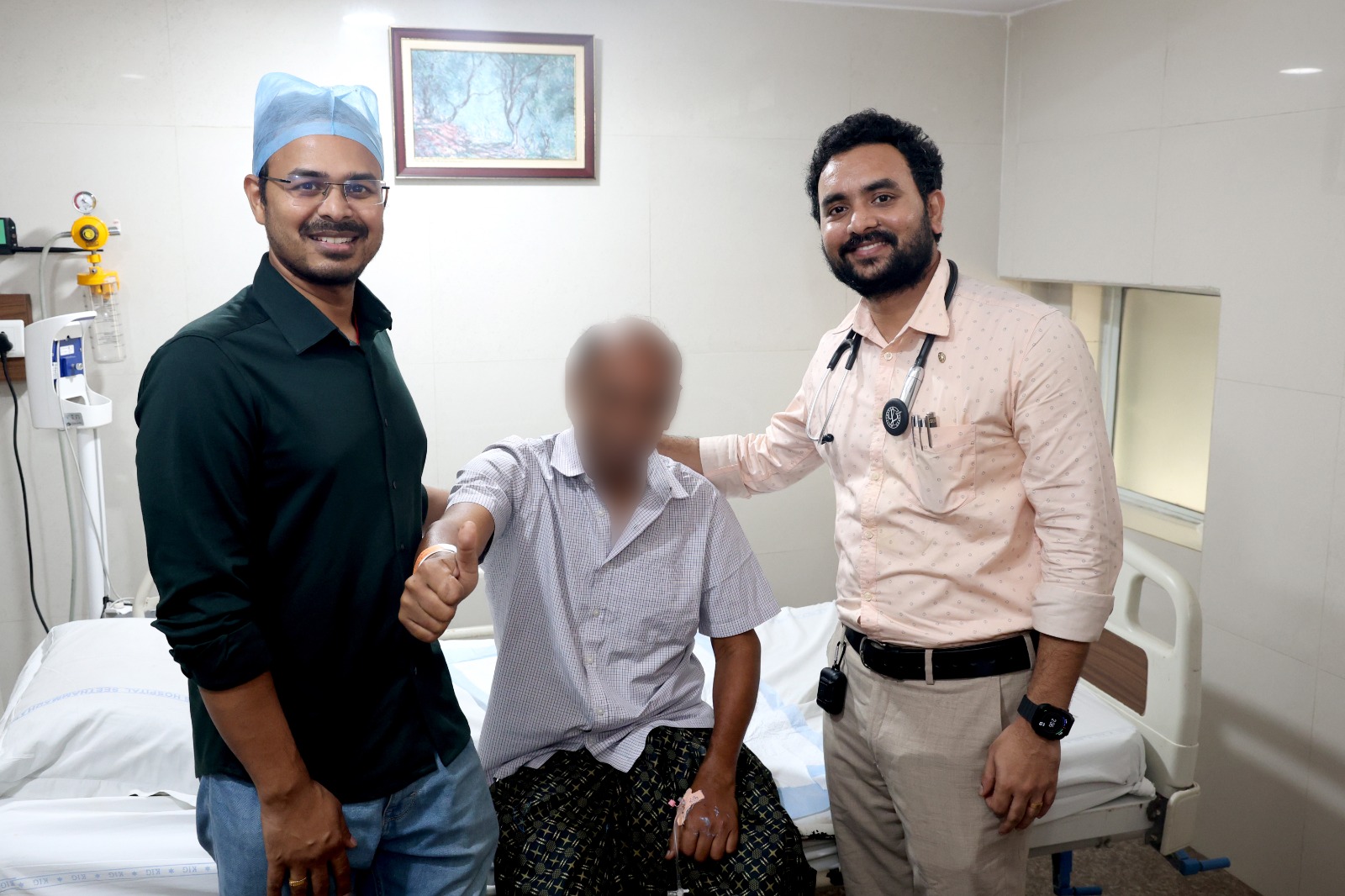
Explaining the case, Dr. Raja Kumar Ponnana, Consultant Neurologist, and Dr. Venkatesh Pothula, HOD, Neuro and Vascular Interventional Radiology, said emergency investigations at the hospital revealed severe obstruction in the vertebral and basilar arteries, which supply blood to the brainstem. They noted that such blockages can rapidly progress to a catastrophic stroke if not treated in time.
Given the seriousness of the condition, the medical team decided to perform an emergency endovascular procedure. In a coordinated effort involving Neurology and Interventional Radiology specialists, the doctors cleared the blockage through the blood vessel and successfully placed a stent in the affected artery, without the need for open surgery. This restored blood flow to the brain.
Following the procedure, the patient was closely monitored in the intensive care unit. Doctors said he recovered well and was left with only mild neurological weakness. They added that the patient’s ability to give a “thumbs up” with the hand that had earlier become weak was an encouraging sign of recovery for the treating team.
The doctors emphasised that every minute is crucial in stroke care and said prompt recognition of warning signs and early transfer to the right hospital can save not only life, but also brain function. Delay in treatment, they said, can significantly reduce the chances of recovery.
They further stated that timely decision-making, seamless coordination between departments and immediate specialist intervention helped save the patient’s life and protect him from severe disability.
