


Why Dried Foods Are Quietly Becoming Everyday Essentials
For a long time, dried food in India was something simple—papad on the side, dried chillies in the kitchen, or sun-dried vegetables stored for later. It was practical, not aspirational. That is changing fast.
Today, dried food is stepping into a new role. It is becoming a smart solution for modern lifestyles where people want convenience, longer shelf life, and healthier choices without constant cooking or frequent shopping. What was once a traditional habit is now turning into a serious business opportunity.
Globally, the dried food market is worth over $200 billion, and India is slowly strengthening its position in it. As cities grow and routines become busier, people are naturally shifting toward food that is easy to store, easy to carry, and still nutritious.
India’s Natural Advantage Starts at the Farm
India doesn’t need to build an advantage in this space—it already has one.
The country produces massive quantities of fruits, vegetables, and spices every year. But a significant portion never reaches consumers. It gets wasted somewhere between harvest and market. Estimates suggest that 15 to 25 percent of perishable produce is lost due to storage and supply chain gaps.
Dried food changes that equation.
Instead of letting produce spoil, it can be preserved, stored, and sold later. This not only reduces waste but also helps farmers and businesses get more value from the same produce. It turns a problem into an opportunity.
Diverse Product Range Driving Market Expansion
One of the biggest strengths of this business is its range. It is not limited to one type of product or one kind of customer.
Across India, dried food comes in many forms:
- Fruits like aam papad, dried banana, raisins, amla, figs, and jackfruit
- Vegetables such as onion flakes, garlic, tomatoes, peas, carrots, and moringa powder
- Traditional items like papad, vadam, fryums, and regional dried snacks
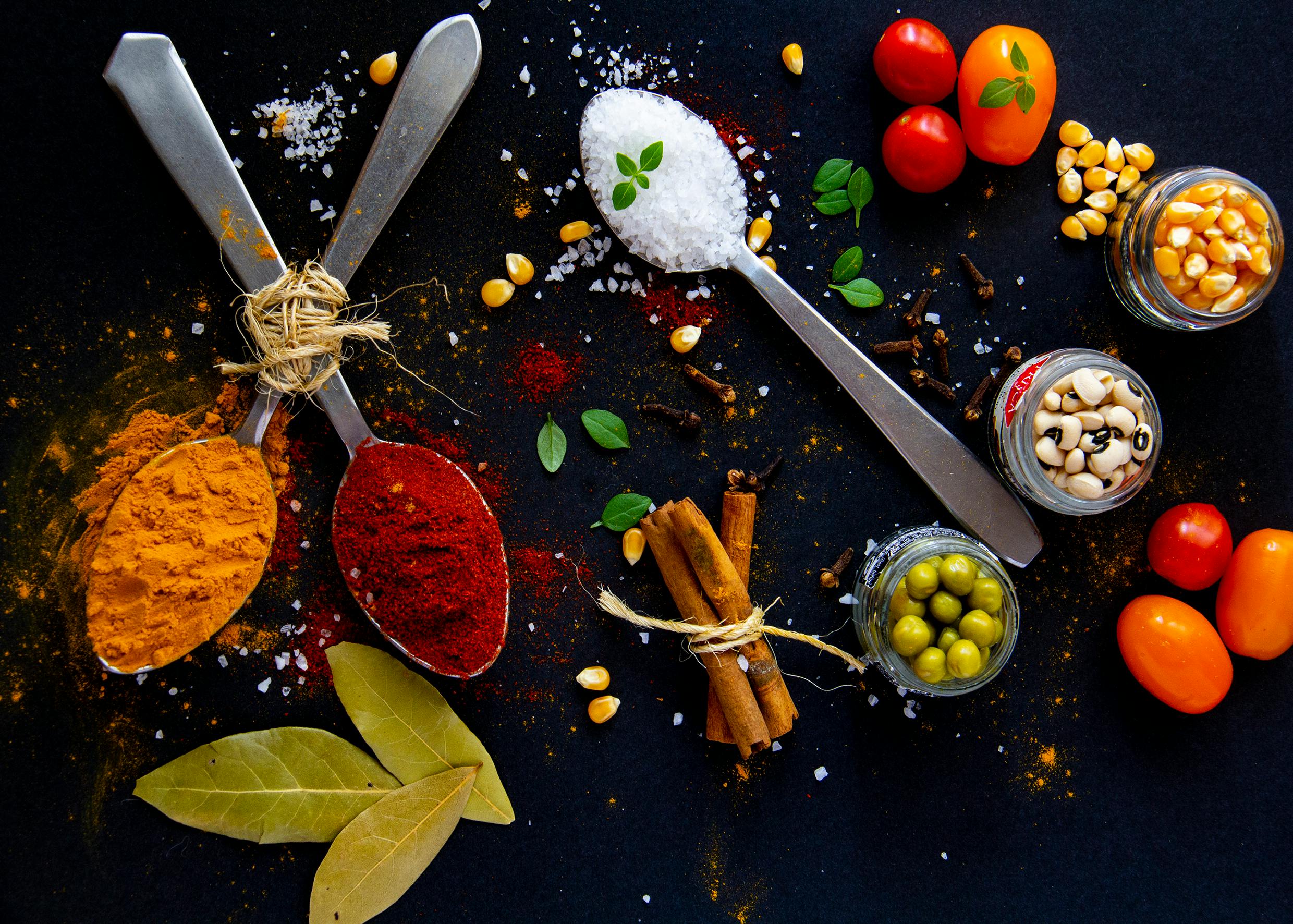
- Spices and herbs including chillies, turmeric, coriander, mint, curry leaves, and ginger
- Protein-based products like dried fish, prawns, and plant-based protein
- Ready-to-cook mixes and dehydrated meal bases
- Health-focused products such as dry fruits, seeds, and herbal powders
This range matters because it spreads risk. If one category slows down, another picks up. It also allows businesses to choose their space—mass market, premium, or export-focused.
Why the Export Market Is Paying Attention
Dried food travels well. That single advantage changes everything.
Fresh food needs speed, refrigeration, and careful handling. Dried food does not. It lasts longer, takes up less space, and is easier to transport across borders. That is why global demand for dried products continues to grow.
India already exports food products to over 100 countries, and dried items form an important part of that basket. As international buyers look for reliable and cost-effective suppliers, India has a clear opportunity to expand its presence.
This is not just about selling more. It is about positioning India as a dependable source in global food supply chains.
A Business That Can Start Small but Grow Big
Not every business needs heavy investment to begin. Dried food is one of those rare sectors where you can start small and scale gradually.
Basic drying methods like sun drying or simple dehydration units are enough to get started. As demand grows, the business can move toward more advanced systems that improve quality and consistency.
This flexibility makes it accessible to a wide range of people—from small entrepreneurs to larger food processors. It also fits well into rural and semi-urban economies where resources may be limited but raw materials are abundant.
Where the Real Profit Comes From
The real strength of dried food is not just in selling—it is in value addition.
Fresh produce has a short life and limited pricing power. Once it is dried, its value increases. It becomes easier to store, transport, and sell over time. The risk of spoilage drops, and margins improve.
Packaging and branding add another layer of value. A well-presented product can command a higher price, especially in urban and export markets where convenience and quality matter more than just cost.
Health Trends Driving Demand
Consumers are becoming more aware of what they eat. There is a growing preference for food that feels natural, simple, and less processed.
Dried foods fit into this shift. They are seen as practical, often nutritious, and easy to include in daily routines. Products without added chemicals or preservatives are gaining even more attention.
This change in mindset is not temporary. It is shaping long-term demand.
The Challenges That Cannot Be Ignored
The opportunity is real, but so are the challenges.
Quality control is critical. If moisture levels, hygiene, or packaging are not handled properly, the product can lose its value quickly. This becomes even more important in export markets where standards are strict.
Infrastructure is another concern. Not all regions have access to proper storage, transportation, or processing facilities. These gaps can limit growth if not addressed.
The businesses that succeed will be the ones that focus on consistency, not just production.
A Business That Aligns With the Future
The dried food industry sits at the intersection of agriculture, health, and convenience. That is exactly where future demand is heading.
India has the raw materials, the traditional knowledge, and a growing market. What it needs is better execution, stronger systems, and a shift in thinking—from selling raw produce to creating value-added products.
This is not just another small business idea. It is a sector with the potential to grow steadily, support livelihoods, and expand globally.
And the best part—it starts with something India already has in abundance.
