


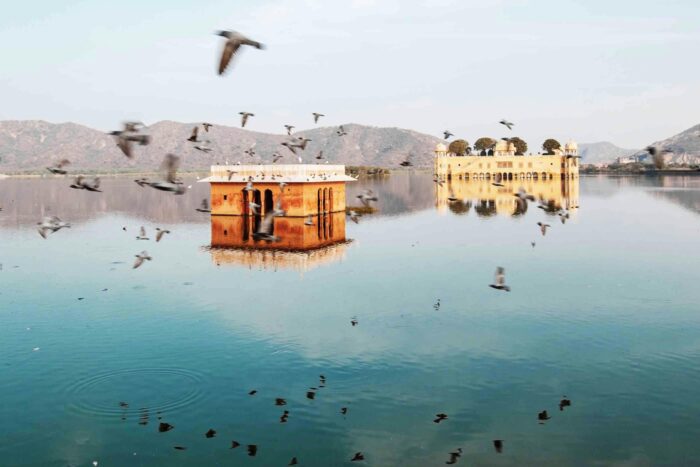
Road trip tourism in India is witnessing a remarkable surge, driven by a shift in traveler preferences toward flexibility, affordability, and immersive experiences. No longer limited to leisure alone, road travel is increasingly becoming a strategic choice for both personal and professional journeys. This week, industry trends point to a sharp rise in road trips դեպի Jaipur—a destination that perfectly blends cultural richness with modern business opportunities.
With enhanced highway infrastructure, growing disposable incomes, and widespread access to digital navigation tools, road trips are transforming into a significant pillar of India’s travel and tourism economy.
Jaipur’s Growing Popularity Among Road Travelers
Known as the Pink City, Jaipur has emerged as a top choice for short-duration road trips, particularly from nearby metropolitan hubs like Delhi and Gurugram. The city’s appeal lies in its ability to cater to diverse travel needs—heritage exploration, business meetings, and weekend getaways.
Several factors are contributing to this surge. The pleasant weather conditions in March make long drives comfortable and enjoyable. Additionally, a calendar filled with cultural exhibitions and local fairs is attracting both domestic and international tourists. These events provide travelers with unique, on-ground experiences that go beyond traditional sightseeing.
Seamless Connectivity Fuels Growth
One of the most significant enablers of this trend is the improved connectivity via National Highway 48. This well-maintained stretch has drastically reduced travel time, making it possible to cover the approximately 280-kilometer distance between Delhi and Jaipur in just 5 to 6 hours.
The route offers a smooth driving experience, supported by modern amenities such as fuel stations, rest stops, and an increasing number of EV charging points. These developments are not only enhancing convenience but also encouraging environmentally conscious travel.
Highway-side restaurants and themed eateries have also become part of the journey itself, turning travel time into an experience rather than just transit.
Economic Ripple Effects Across Sectors
The rise in road trip tourism is generating tangible economic benefits across multiple sectors in and around Jaipur.
Hospitality Sector:
Hotels, boutique stays, and heritage properties are witnessing a surge in bookings, particularly during weekends. The demand for short stays has increased, with travelers seeking quick yet enriching escapes.
Food & Beverage Industry:
Local restaurants, cafes, and highway eateries are experiencing higher footfall. Spontaneous travel plans often translate into unplanned stops, directly benefiting small and medium-sized businesses.
Retail and Handicrafts:
Markets near iconic landmarks such as Hawa Mahal and Johari Bazaar are seeing increased tourist spending. From traditional jewelry to handcrafted textiles, local artisans are gaining from this influx of visitors.
The Rise of Bleisure Travel
A notable trend emerging alongside road trip tourism is the concept of “bleisure”—a blend of business and leisure travel. Professionals are increasingly choosing destinations like Jaipur for short work trips that double as leisure getaways.
The city offers a range of facilities that cater to this hybrid need, including premium co-working spaces, heritage hotels equipped with conference amenities, and curated cultural experiences suitable for networking events. For startups and SMEs, this presents a cost-effective alternative to traditional corporate offsites.
The ability to drive to a destination, conduct meetings, and unwind—all within a short timeframe—makes road trips particularly appealing to today’s time-conscious professionals.
Digital Influence Driving Travel Decisions
The role of digital platforms in shaping travel behavior cannot be overlooked. Social media platforms like Instagram and YouTube are playing a pivotal role in popularizing road trips.
Travel influencers and content creators are showcasing scenic routes, hidden gems, and local food experiences, inspiring viewers to embark on similar journeys. The visual appeal of road travel, combined with easy access to information, is fueling spontaneous trip planning.
Navigation apps and real-time travel updates further enhance the convenience factor, making road trips more accessible than ever before.
Sustainability and the Road Ahead
As India pushes toward sustainable tourism, road trip travel is also evolving. The growing adoption of electric vehicles is encouraging the development of EV-friendly infrastructure along major highways. Government initiatives aimed at promoting local tourism circuits are further supporting this trend.
Destinations like Jaipur are well-positioned to benefit from these developments. With a strong mix of cultural heritage, modern amenities, and strategic connectivity, the city is emerging as a long-term winner in India’s travel landscape.
Conclusion
The increasing popularity of road trips to Jaipur reflects a broader transformation in how Indians approach travel. Convenience, experience, and efficiency are now key decision-making factors.
For business observers, this trend signals new growth opportunities across hospitality, retail, and infrastructure sectors. As road travel continues to gain momentum, destinations like Jaipur are not just tourist hotspots—they are evolving into powerful economic engines driving regional development in India’s dynamic travel ecosystem.